
Beautiful Plants For Your Interior
Beautiful Plants For Your Interior
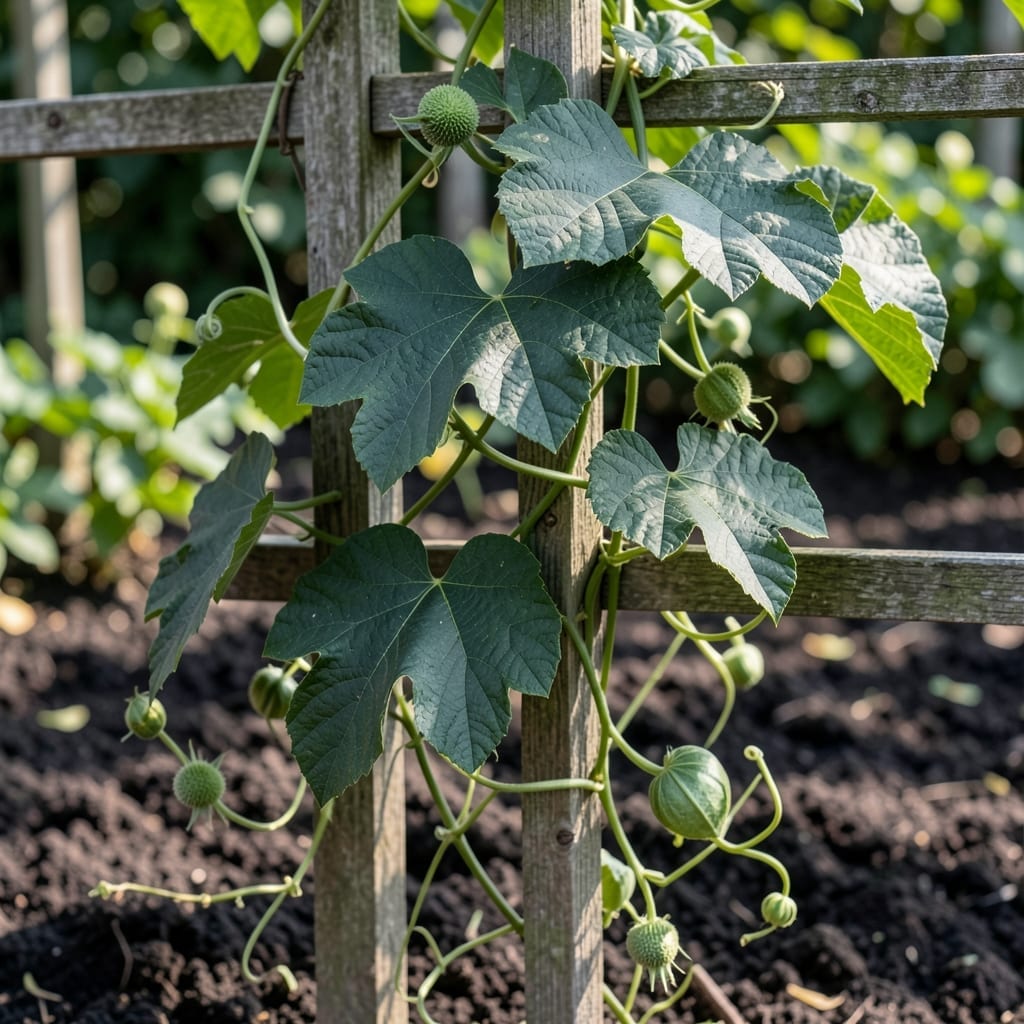
Those green balls on your vine are likely unripe grapes. 🌱 I’ve grown grapevines for years, and nothing beats watching those tight clusters swell and turn color as summer progresses.
Grapevines thrive with full sun and well-draining soil. They need a sturdy trellis or fence to climb, and consistent watering during fruit development. The magic happens in the second year when established vines produce abundant fruit.
You’ll know they’re happy when the leaves are deep green and the vines grow 6-10 feet in a season. Proper pruning in late winter keeps them productive and manageable.
Great for fresh eating, jams, or just enjoying the ornamental value. This guide will get you started right.
The appearance of green balls on your vine is usually a sign of unripe grapes or a response to environmental and biological factors. Here’s why it occurs:
Green balls on grapevines are often simply unripe grapes. Grape clusters start as small, hard green berries that gradually soften and change color as they mature. If harvested too early, they remain green and firm. This is a natural part of the growth cycle, and patience is key—most grape varieties take 70–100 days post-bloom to ripen.
A lack of essential nutrients, particularly potassium or phosphorus, can stunt grape development, leaving them green and undersized. Soil testing can confirm deficiencies. Amend with a balanced fertilizer (e.g., 10-10-10) or organic options like compost or bone meal to restore vitality.
Inconsistent watering—either underwatering or overwatering—disrupts fruit maturation. Drought stress slows growth, while waterlogged roots suffocate the vine. Aim for 1–2 inches of water per week, adjusting for rainfall. Drip irrigation is ideal to maintain even moisture without wetting foliage.
Grapes require full sun (6–8 hours daily) to produce sugar and develop color. Shaded vines may yield green, hard berries. Prune surrounding vegetation or relocate the vine to a sunnier spot. Trellising can also improve light exposure.
Pests like grape berry moths or diseases such as powdery mildew can damage fruit, halting ripening. Inspect leaves and clusters regularly. Use neem oil or horticultural oils for organic control, or apply fungicides preventatively in humid climates.
If your grapevine is producing unusual green balls instead of healthy fruit, don’t panic—there are straightforward fixes. Below, we break down the most common causes and their solutions, plus prevention tips to keep your vine thriving.
If flowers aren’t turning into fruit, pollination may be the culprit. Fix it by gently transferring pollen between flowers with a soft brush. Alternatively, plant pollinator-friendly flowers nearby to attract bees and butterflies. Prevent it by avoiding pesticides during blooming season.
Yellowing leaves or stunted growth often signal a lack of nitrogen, potassium, or phosphorus. Fix it with a balanced fertilizer (10-10-10) or organic options like compost. Prevent it by testing soil annually and amending as needed. Pro tip: 💡 Avoid over-fertilizing, which can harm the vine.
Green balls may appear if pests like aphids or Japanese beetles damage flowers. Fix it by spraying with neem oil or picking off pests by hand. Prevent it with companion planting (e.g., marigolds) and row covers during peak pest seasons.
Too much or too little water stresses the vine, leading to abnormal growth. Fix it by ensuring 1–2 inches of water per week, adjusting for rain. Prevent it with drip irrigation to maintain consistent moisture. Pro tip: ✨ Mulch around the base to retain water.
With these fixes, your vine should return to producing healthy, plump grapes in no time!
These are often unripe grapes. They start as hard green berries and need 70–100 days to mature. Patience is key!
Check for damage. Pest-damaged berries often have holes or discoloration. Healthy unripe grapes are firm and uniformly green.
Yes, if the vine is healthy and gets 6–8 hours of sun daily. Ensure proper watering and nutrients for best results.
Not really. Forcing ripening often leads to poor flavor. Let nature take its course for the sweetest results.