
Beautiful Plants For Your Interior
Beautiful Plants For Your Interior
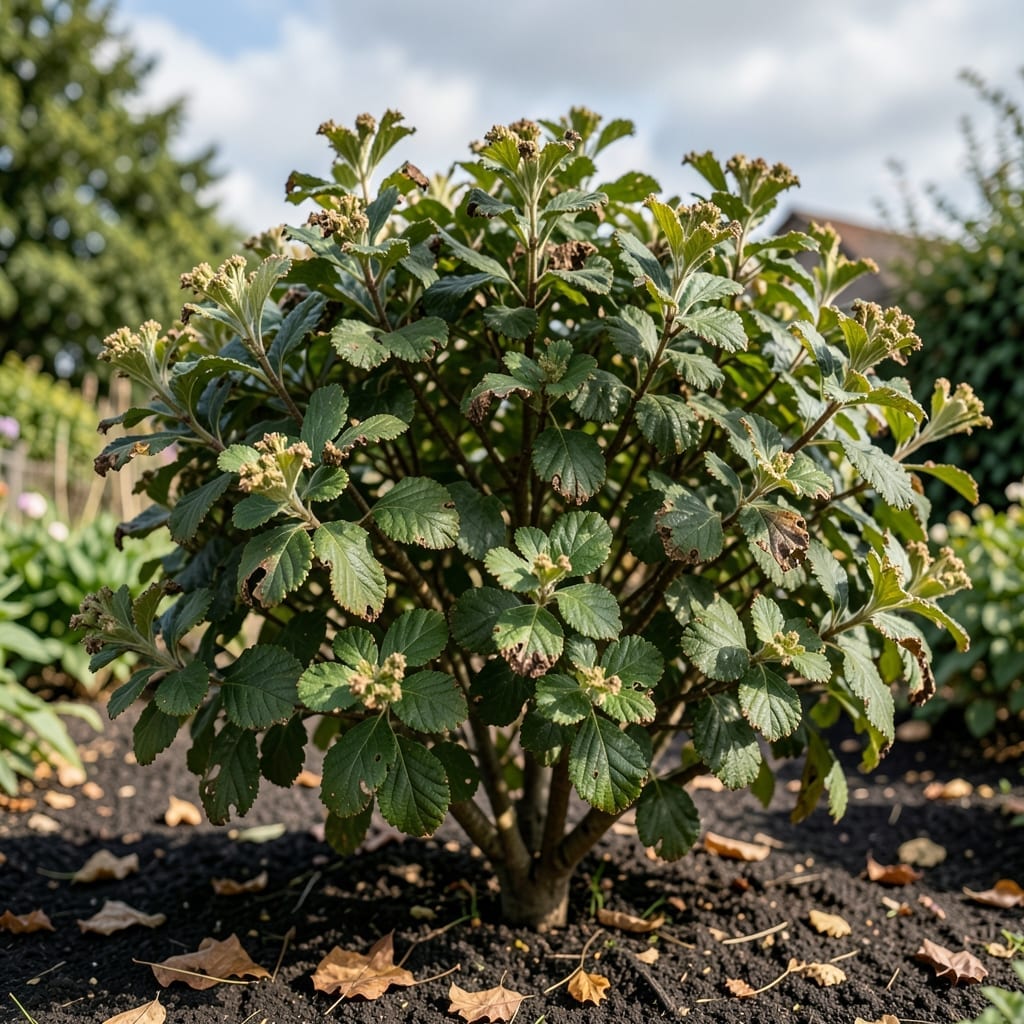
Curled viburnum leaves aren’t just unsightly—they’re a distress signal. I’ve seen this problem turn healthy shrubs into struggling plants overnight, but the fix is often simpler than you’d think.
Most cases trace back to fungal infections or environmental stress, not pests. The leaves twist and pucker as the plant fights back, usually after wet springs or poor air circulation around the foliage.
With a few organic adjustments—better spacing, morning watering, and a natural fungicide—you can reverse the damage. I’ve nursed dozens of viburnums back to full, flat leaves in under a month.
Start checking your plants now before the next big rain. Early action means healthy growth all season long.
Viburnum leaf curl is a distress signal from your plant, and several factors can trigger it. Understanding the root cause is key to restoring your shrub’s health. Here’s a breakdown of the most common culprits:
Fungi like Phomopsis or Botryosphaeria thrive in wet, humid conditions, attacking leaves and causing them to curl, brown, or develop spots. These pathogens disrupt the plant’s ability to regulate water, leading to deformation. Overhead watering or poor air circulation exacerbates the problem.
Aphids, mites, and scale insects suck sap from viburnum leaves, stressing the plant and triggering leaf curl as a defensive response. Check the undersides of leaves for tiny pests or sticky residue (honeydew). Severe infestations weaken the plant, making it more susceptible to secondary infections.
Extreme heat, drought, or sudden temperature swings can cause leaves to curl inward to conserve moisture. Viburnums prefer consistent moisture levels—dry soil or waterlogged roots both lead to stress. Poor soil drainage or exposure to harsh winds may also contribute.
A lack of essential nutrients, particularly magnesium or potassium, can manifest as leaf curl. Magnesium deficiency often causes yellowing between leaf veins, while potassium shortages lead to edge scorching. A soil test can confirm imbalances, guiding targeted fertilizer applications.
Accidental exposure to herbicides (e.g., 2,4-D) can cause distorted, curled growth. Even drift from nearby applications can harm viburnums. Symptoms often appear within days, with leaves twisting unnaturally. Avoid spraying herbicides on windy days near your shrubs.
Tackling viburnum leaf curl starts with identifying the root cause. Below are targeted fixes for each common issue, plus prevention tips to keep your shrubs thriving.
If leaf curl is caused by fungi like Verticillium or Phomopsis, act fast:
Prevention: Space plants properly, avoid overhead watering, and clean up leaf debris in fall. 💡
Aphids, mites, and scale insects can cause curling by sucking sap. Combat them naturally:
Prevention: Inspect plants regularly (check leaf undersides!) and encourage biodiversity in your garden. ✨
Drought, overwatering, or poor soil can stress viburnum, leading to curled leaves.
Prevention: Test soil pH (viburnum prefers 6.0–7.5) and amend if needed. 🌡️
Only if caused by fungal spores or pests. Remove affected leaves immediately and avoid overhead watering to prevent spread. Fungal issues often thrive in wet conditions.
New growth should appear normal within 2-3 weeks after addressing the root cause. Severely damaged leaves may not uncurl but new ones will grow healthy.
Apply treatments early morning when leaves are dry. This allows solutions to stick better and reduces evaporation. Avoid treating during hot midday sun.