
Beautiful Plants For Your Interior
Beautiful Plants For Your Interior
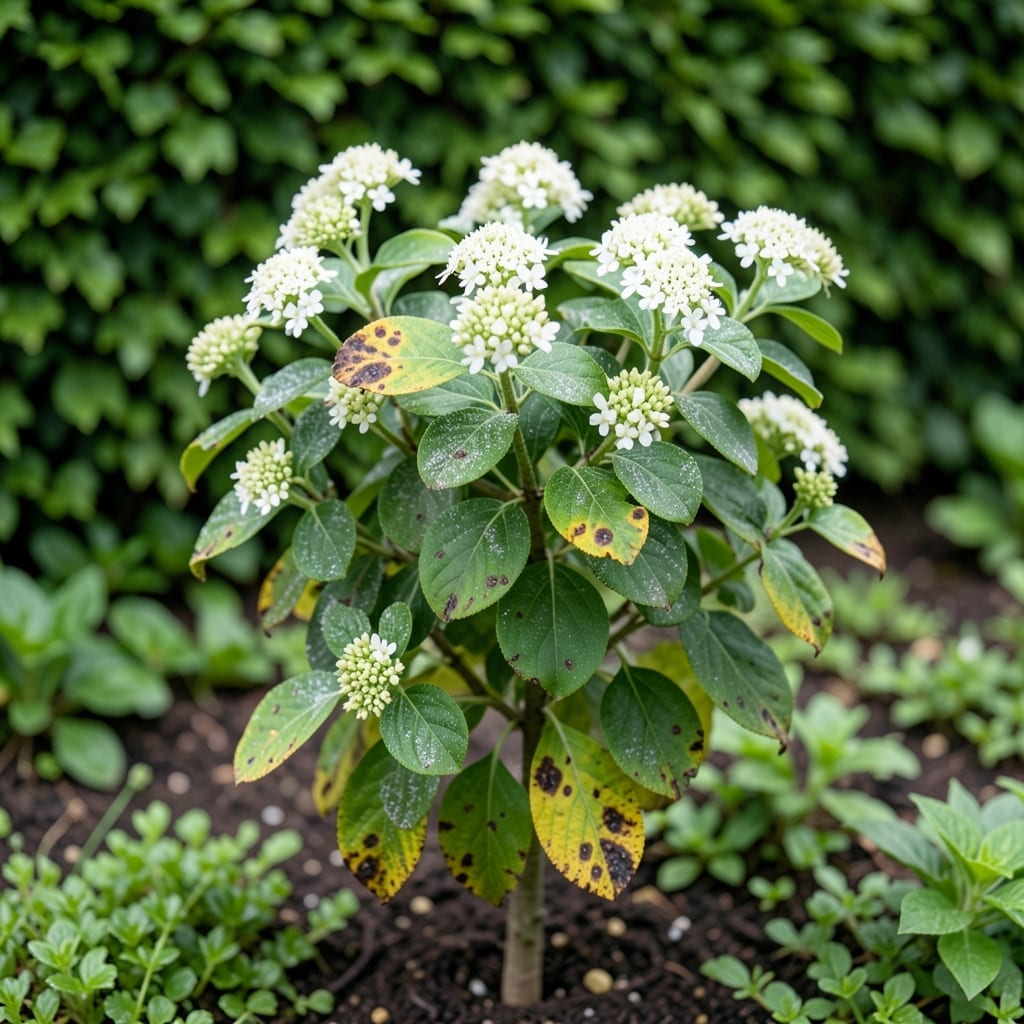
Yellowing leaves or black spots on your viburnum aren’t just unsightly—they’re cries for help. I’ve seen healthy shrubs turn into sad, diseased messes in 2-3 weeks when these issues go ignored.
Most problems start with poor air circulation, wet foliage, or the wrong planting spot. The good news? A quick visual check and the right treatment can save your plants before permanent damage sets in.
You’ll learn to spot the early warning signs—powdery mildew, leaf spot, or bacterial blight—and stop them in their tracks. Early action means your viburnum bounces back faster.
This guide works for all viburnum varieties, from arrowwood to doublefile. No guesswork, just clear solutions.
Understanding why viburnum plants fall victim to diseases helps you prevent and manage issues effectively. Below are the primary causes, broken down into clear, actionable categories.
Many viburnum diseases, such as powdery mildew and leaf spot, are caused by fungal organisms like Erysiphe or Phomopsis. These thrive in humid, wet conditions where spores spread via wind or water. Overcrowded plants or poor air circulation create ideal breeding grounds for fungi.
Insects like aphids and viburnum leaf beetles weaken plants, making them more susceptible to disease. Their feeding damage creates entry points for bacteria and fungi. Regularly inspect leaves for chewed edges or sticky residue (honeydew), which can lead to sooty mold.
Drought, waterlogging, or extreme temperature swings stress viburnum shrubs, compromising their immune systems. Root rot often occurs in poorly drained soil, while heat stress can trigger leaf scorch. Mulching and consistent watering help mitigate these risks.
Improper pruning (e.g., using contaminated tools) or planting in shaded, damp areas can invite disease. Sanitize pruners between cuts, and ensure viburnums receive full sun to partial shade for optimal health. Over-fertilization, especially with nitrogen, can also promote lush but disease-prone growth.
Dealing with viburnum diseases doesn’t have to be overwhelming. Here’s how to tackle common issues with practical, step-by-step fixes and prevention tips to keep your plants thriving.
Spotted white, powdery patches on leaves? Prune infected areas immediately and dispose of them in sealed bags. Apply neem oil or a baking soda solution (1 tbsp baking soda + 1 tsp dish soap + 1 gallon water) every 7–10 days until the issue clears. Prevention tip: 💡 Space plants for better airflow and water at the base to keep foliage dry.
Dark or yellowish spots with halos? Remove and destroy infected leaves. Treat with copper-based fungicides or sulfur sprays early in the season. Prevention tip: ✨ Avoid overhead watering and clean up fallen debris around the plant to reduce fungal spores.
Holes in leaves or skeletonized foliage? Handpick beetles in the morning when they’re sluggish, or use insecticidal soap for minor infestations. For severe cases, apply pyrethrin-based sprays. Prevention tip: 🎯 Encourage natural predators like birds and ladybugs by planting companion flowers nearby.
Wilting, yellowing, or blackened roots? Improve drainage by amending soil with compost or sand. Trim affected roots and repot or replant in fresh, well-draining soil. Prevention tip: 🌡️ Avoid overwatering—let the top inch of soil dry out between waterings.
Stay vigilant, act fast, and your viburnum will bounce back stronger! 🌿
Look for white, powdery patches on upper leaf surfaces. It often starts on lower leaves and spreads upward in humid conditions.
Black spots are usually fungal leaf spot. It thrives in wet foliage and poor air circulation. Remove infected leaves and avoid overhead watering.
Yes, many fungal diseases like powdery mildew can spread to nearby susceptible plants. Isolate affected shrubs and sanitize pruning tools between uses.
Check leaves and stems weekly during growing season. Early detection means easier treatment. Focus on undersides of leaves and new growth.