
Beautiful Plants For Your Interior
Beautiful Plants For Your Interior
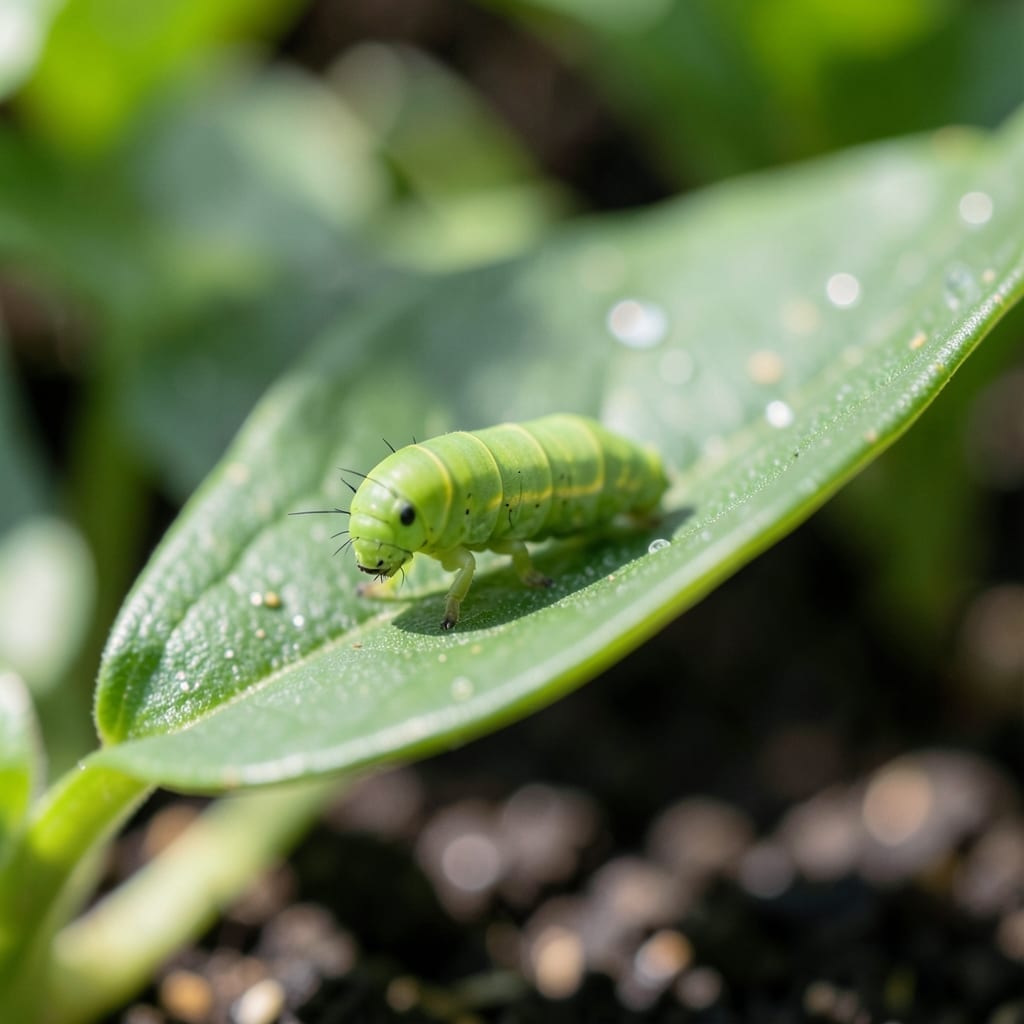
I spotted my first tiny green caterpillar on a cabbage leaf last spring. They’re sneaky little pests that blend in perfectly with foliage, making them hard to detect until the damage is done.
These pests target brassicas, tomatoes, and leafy greens, chewing irregular holes that can stunt plant growth. Left unchecked, they’ll skeletonize leaves overnight. I’ve learned to check the undersides of leaves weekly during growing season.
Organic solutions work best for me—handpicking, neem oil, or introducing beneficial insects. For severe infestations, targeted sprays can save your crop. The key is acting fast before they multiply.
Early detection makes all the difference. With regular inspections and quick treatment, you can protect your garden without harsh chemicals. Here’s how to spot and stop them before they take over.
The presence of very tiny green caterpillars in your garden is rarely random. These pests thrive under specific conditions, often tied to environmental triggers, plant health, or seasonal cycles. Below are the most common causes, explained scientifically for actionable insights.
Many tiny green caterpillars, like the cabbage looper or green lacewing larvae, target lush, fast-growing plants such as kale, broccoli, or tomatoes. Over-fertilization (especially nitrogen-heavy) creates tender, protein-rich foliage that’s irresistible to egg-laying adults. Action: Balance fertilizer use and rotate crops to disrupt their life cycle.
Caterpillar populations explode in temperatures between 70–85°F (21–29°C) with high humidity. These conditions speed up egg hatching and larval growth. Action: Monitor weather forecasts and inspect plants more frequently during heatwaves or rainy seasons.
Green caterpillars flourish when beneficial insects (e.g., ladybugs, parasitic wasps) are absent. Pesticide overuse or monoculture gardens often wipe out these predators. Action: Introduce native plants like dill or yarrow to attract predator species, and avoid broad-spectrum pesticides.
Fallen leaves, weeds, and plant debris provide shelter for eggs and pupae. Tiny green caterpillars, such as the diamondback moth larva, hide in these areas before migrating to crops. Action: Clear garden debris regularly and maintain a weed-free zone around plants.
Dealing with a tiny green caterpillar infestation in your garden doesn’t have to be a losing battle. Below are practical, step-by-step solutions tailored to common causes, along with prevention tips to keep your plants safe long-term.
If you spot clusters of these pests on leaves, act fast. Early mornings or evenings are ideal for handpicking—wear gloves and drop them into soapy water to ensure they don’t return. For heavier infestations, prune affected leaves and dispose of them in sealed bags. This removes both caterpillars and potential eggs.
Prevention: Inspect plants weekly, especially the undersides of leaves where eggs are often laid. Introduce beneficial insects like ladybugs or lacewings, which naturally prey on caterpillars.
When caterpillars are devouring leaves faster than you can pick them, organic sprays can help. Neem oil or Bacillus thuringiensis (Bt) are highly effective and safe for most plants. Mix according to package instructions and apply in the early morning or late evening to avoid harming bees.
Prevention: Apply neem oil preventatively every 2–3 weeks during growing season. Avoid over-fertilizing with nitrogen, which can attract more pests.
If caterpillars are burrowing into the soil or hiding at the base of plants, sprinkle food-grade diatomaceous earth around the stem. This natural powder dehydrates soft-bodied pests within 24–48 hours. Reapply after rain or watering.
Prevention: Keep the garden bed clean—remove fallen leaves and debris where caterpillars might overwinter. Rotate crops annually to disrupt their life cycle.
💡 Pro Tip: Encourage birds to visit your garden by adding a birdbath or feeder. They’ll happily snack on caterpillars as part of their diet!
Look for movement—caterpillars have a looping or inching gait, while beneficial larvae like lacewings move more deliberately. Check for damage: pests chew leaves, while helpful insects don’t.
Most target brassicas, tomatoes, and leafy greens. They rarely bother herbs, onions, or garlic. Inspect vulnerable plants weekly during warm months.
Handpick into soapy water at dawn or dusk when they’re most active. For larger infestations, Bt spray works within 24–48 hours.
Yes, if eggs overwinter in soil or debris. Prevent this by clearing garden waste in fall and rotating crops. Maintain predator-friendly plants year-round.