
Beautiful Plants For Your Interior
Beautiful Plants For Your Interior
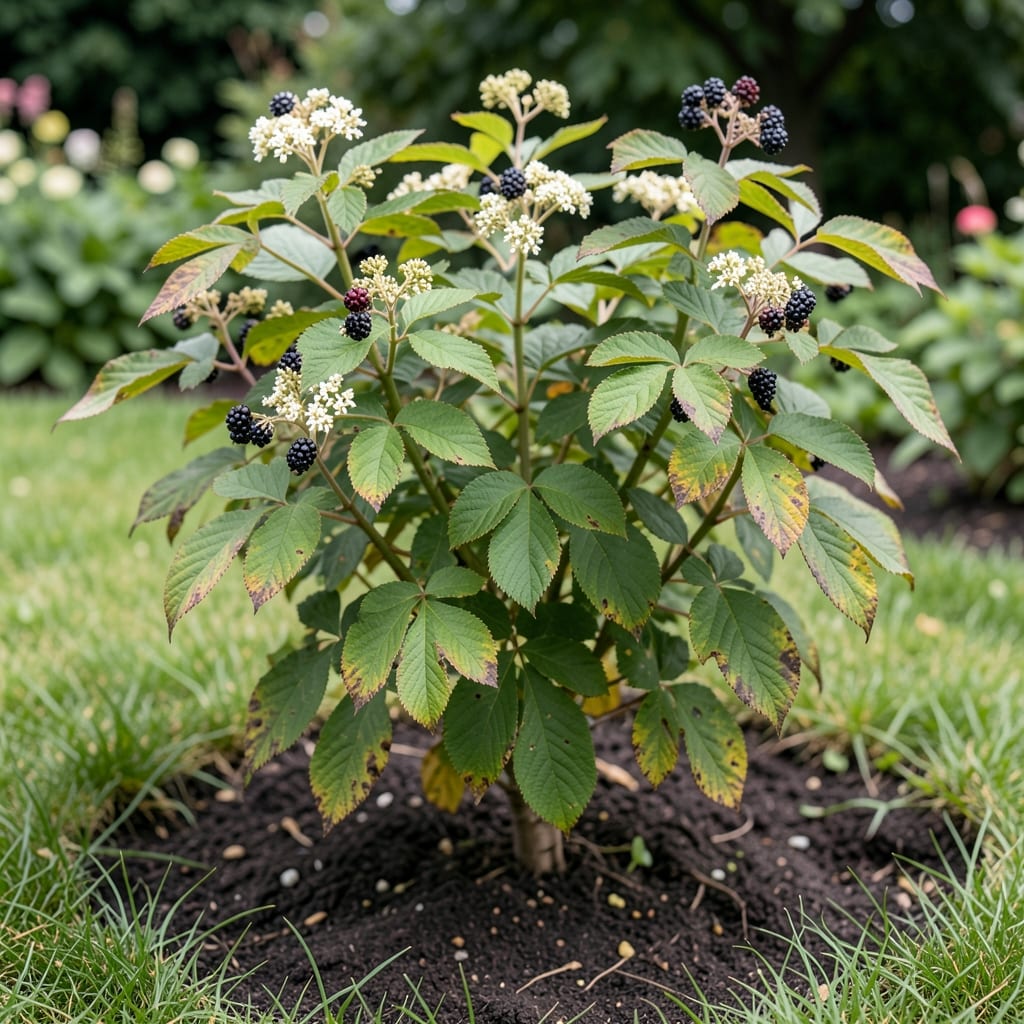
My elderberry bushes went from thriving to struggling in two weeks. Verticillium wilt sneaks up fast, turning vibrant green leaves yellow and crisp before you realize what’s happening.
Here’s the thing—it’s not just about spotting the wilting. The fungus lives in soil, so even healthy-looking plants can carry it. I learned to watch for yellowing between veins and sudden branch dieback as red flags.
Natural remedies saved my patch. Solarizing soil, rotating crops, and using resistant varieties made all the difference. The key is acting before the infection spreads to the roots.
Early intervention stops the damage. With the right approach, your elderberries can bounce back stronger next season.
Verticillium wilt in elderberry plants is a destructive fungal disease caused by soilborne pathogens. Understanding the root causes helps gardeners prevent and manage outbreaks effectively.
The primary cause is infection by Verticillium dahliae or Verticillium albo-atrum, fungi that thrive in soil. These pathogens enter through the roots, colonizing the plant’s vascular system and blocking water and nutrient transport. Elderberries grown in contaminated soil are especially vulnerable.
Using contaminated tools, pots, or planting infected nursery stock introduces the fungus to healthy elderberry plants. The spores can persist in garden debris, compost, or even on pruning shears, spreading the disease unwittingly.
Stressed elderberries—due to drought, poor drainage, or nutrient deficiencies—are more susceptible to infection. Compacted or waterlogged soil weakens root health, creating entry points for the fungus. Maintaining optimal growing conditions reduces this risk.
Planting elderberries or other susceptible species (like tomatoes or potatoes) in the same spot year after year allows fungal spores to accumulate. Rotating crops and avoiding replanting in infested soil disrupts the pathogen’s life cycle.
When verticillium wilt strikes your elderberry, quick and targeted action can save your plant. Below are practical solutions mapped to common causes, plus prevention tips to keep your garden thriving.
If you spot wilting, yellowing, or brown streaks in the stems, prune affected branches immediately. Use sterilized shears (dip in rubbing alcohol between cuts) to avoid spreading the fungus. Cut at least 6 inches below visible damage and dispose of the debris—do not compost it, as the pathogen can linger.
Verticillium thrives in poor, compacted soil. Amend the soil with organic matter like compost or well-rotted manure to boost drainage and microbial activity. A soil test can reveal imbalances (e.g., low organic content or high clay). Consider planting resistant varieties like Sambucus canadensis if reinfection is a recurring issue.
Overwatering or poor drainage creates a fungus-friendly environment. Water deeply but infrequently, allowing the top 1–2 inches of soil to dry between sessions. Use drip irrigation to keep foliage dry, and avoid overhead watering. Mulch with straw or wood chips to retain moisture without waterlogging roots.
For severe cases, solarization can kill the fungus. Cover the soil with clear plastic for 4–6 weeks during hot, sunny weather. The heat traps moisture and raises temperatures to lethal levels for Verticillium. Remove all plant debris first for best results.
💡 Prevention Tips:
Early intervention and consistent care will give your elderberry the best chance to recover and thrive! 🌿
It can progress rapidly, with visible wilting appearing within 1-2 weeks of infection. Once symptoms show, the fungus can move through the plant’s vascular system in days, especially in warm, moist conditions.
It’s challenging but possible if caught early. Remove all affected branches and improve soil drainage immediately. For advanced cases, removal may be necessary to protect neighboring plants.
Many common garden plants share this vulnerability, including tomatoes, potatoes, eggplants, and strawberries. Avoid planting these near elderberries in contaminated soil.