
Beautiful Plants For Your Interior
Beautiful Plants For Your Interior
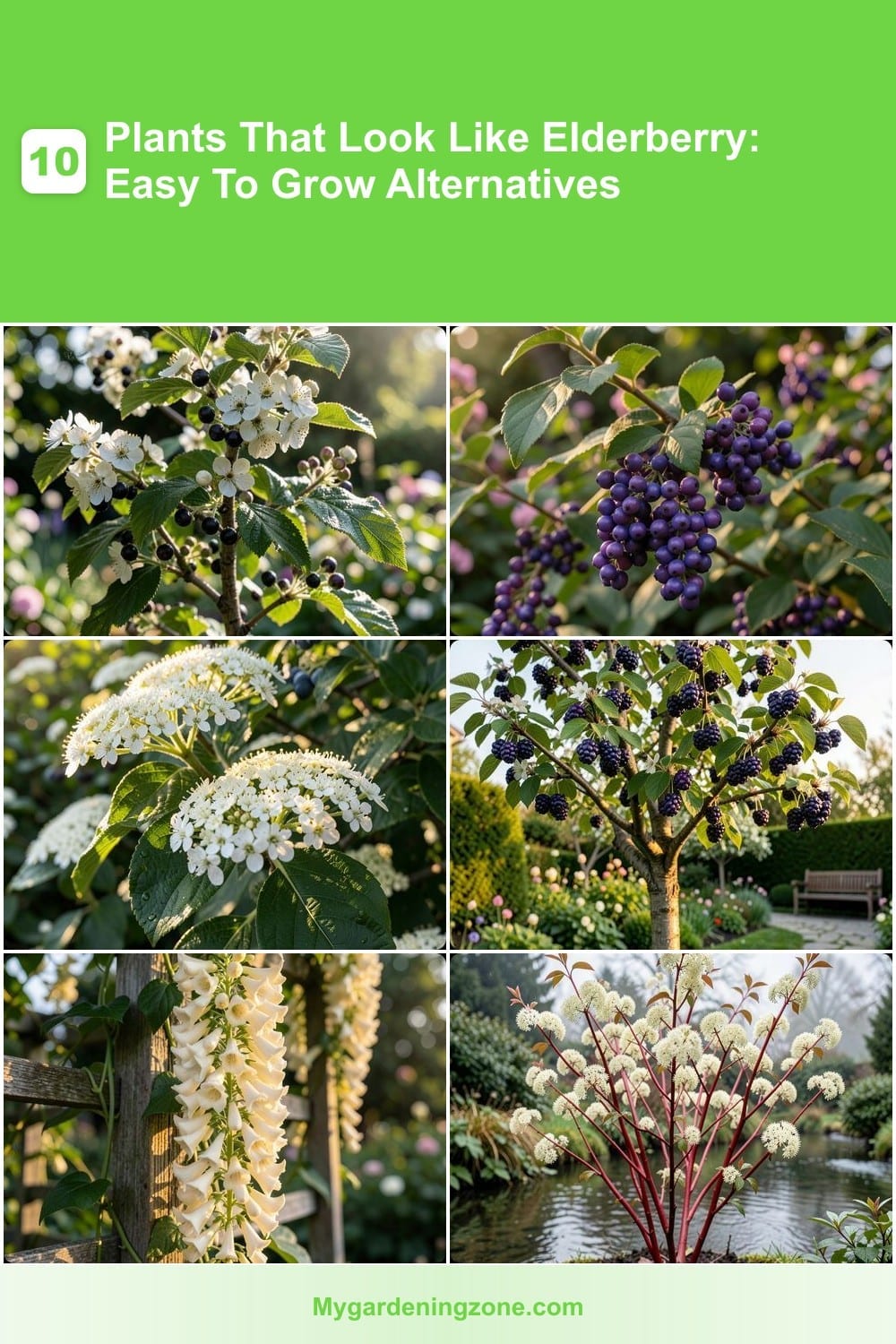
Elderberry’s lush foliage and clustered berries make it a garden favorite, but many other plants offer similar beauty with easier care. These ten lookalikes provide the same ornamental appeal while thriving in various conditions.
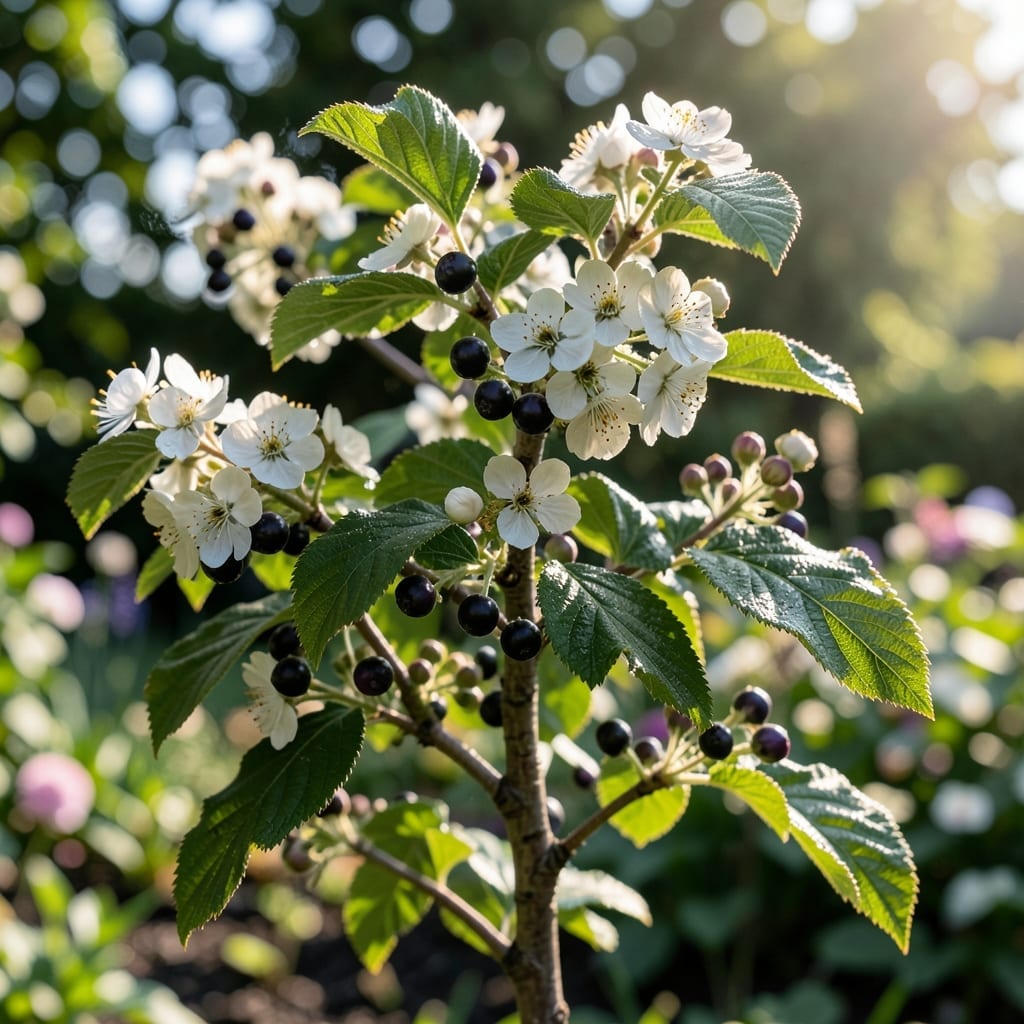
If you love elderberry’s white blooms and dark berries but want a tougher plant, black chokeberry is your answer. It mirrors elderberry’s spring flowers and summer fruit clusters while handling dry spells with ease.
This shrub thrives in full sun to partial shade and tolerates a range of soil types, from clay to loam. Unlike elderberry, it resists most pests and diseases, making it a low-maintenance choice for busy gardeners.
Perfect for wildlife gardens, its berries attract birds, and its fall foliage adds a fiery finish to the season. 🌿
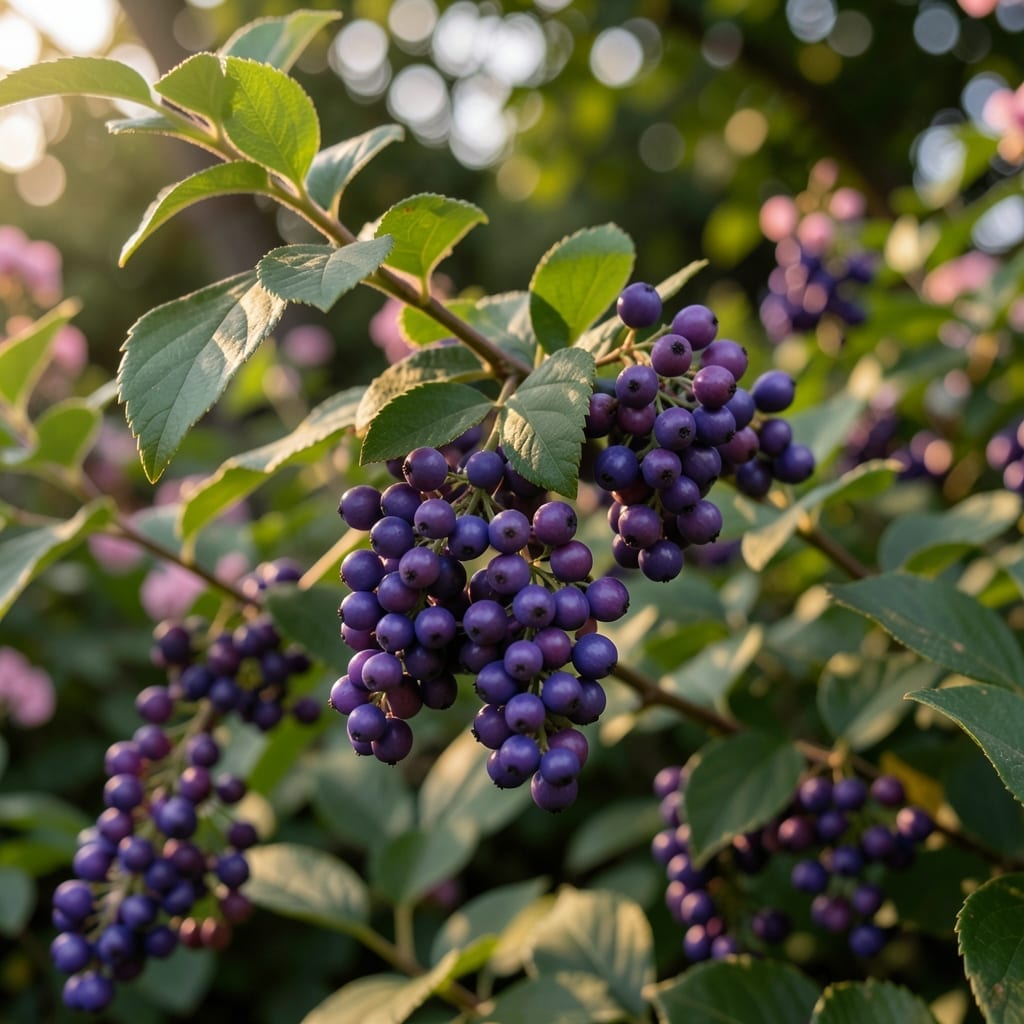
Want elderberry’s clustered berry look without the soggy soil demands? American beautyberry delivers with its signature purple berry clusters that cascade along arching stems.
Unlike elderberry, this shrub produces vibrant pink flowers in summer followed by those stunning berries in fall. It thrives in average, well-drained soil and tolerates drought once established, making it perfect for gardens with inconsistent moisture.
Ideal for pollinator gardens, its berries feed birds through winter while adding a pop of color to your landscape. 🌿
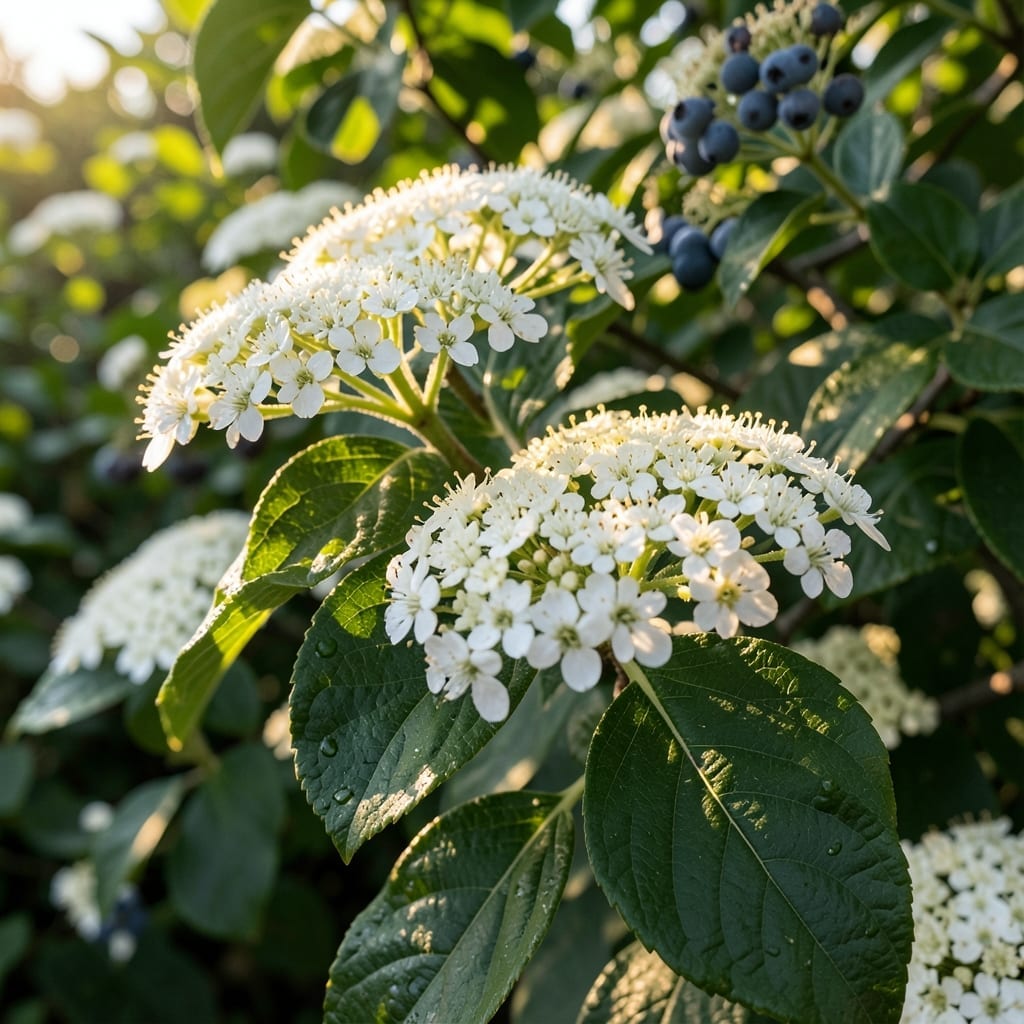
Looking for elderberry’s iconic blooms without the maintenance? Arrowwood viburnum delivers with its striking flat-topped white flower clusters that closely resemble elderberry’s spring display.
This hardy shrub produces blue-black berries in fall that attract birds and pollinators, all while avoiding elderberry’s invasive tendencies. It thrives in partial shade to full sun and adapts well to different soil types, making it versatile for most gardens.
Perfect for gardeners who want wildlife-friendly plants with minimal fuss—this shrub offers beauty and ecological benefits without spreading aggressively. 🌿
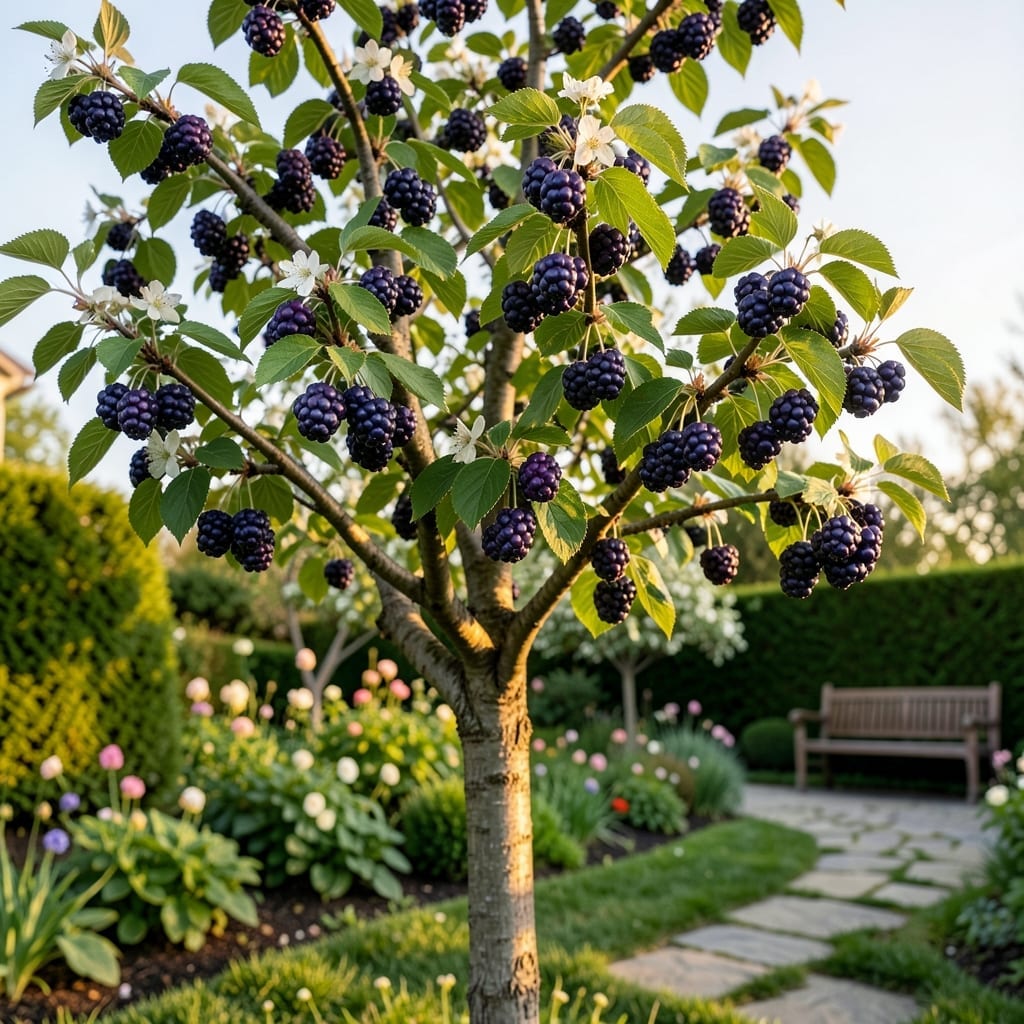
If you adore elderberry’s clustered berries but want a tree that does more, serviceberry is a standout. Its deep purple fruits closely resemble elderberry, but this multi-season performer offers so much extra value.
You’ll enjoy white spring blossoms, summer berries that attract birds, and spectacular fall foliage in shades of gold and orange. It adapts well to most soil types and thrives in full sun to partial shade, making it versatile for many landscapes.
Ideal for gardeners who want year-round beauty and edible rewards in a single, elegant tree. 🌿
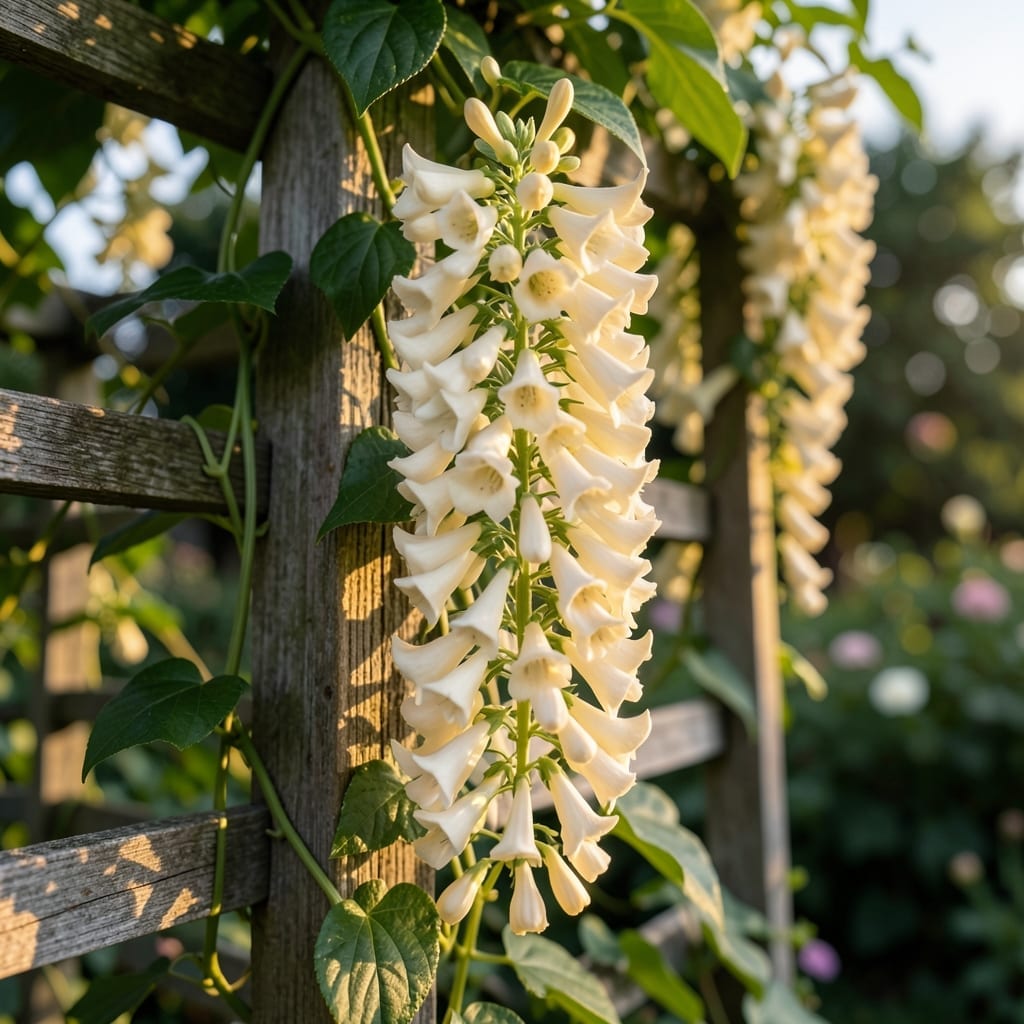
Craving elderberry’s delicate blossoms but need a space-saving solution? Elderflower mimic honeysuckle offers the same creamy, fragrant blooms in a vertical-growing vine perfect for small gardens.
This climbing plant produces tubular cream-colored flowers that cluster together, just like elderberry. It thrives in full sun to partial shade and adapts well to most soil types, making it a versatile choice for trellises, fences, or arbors.
Ideal for urban gardeners or those with limited ground space, it brings elderberry’s charm without the sprawling habit. 🌿
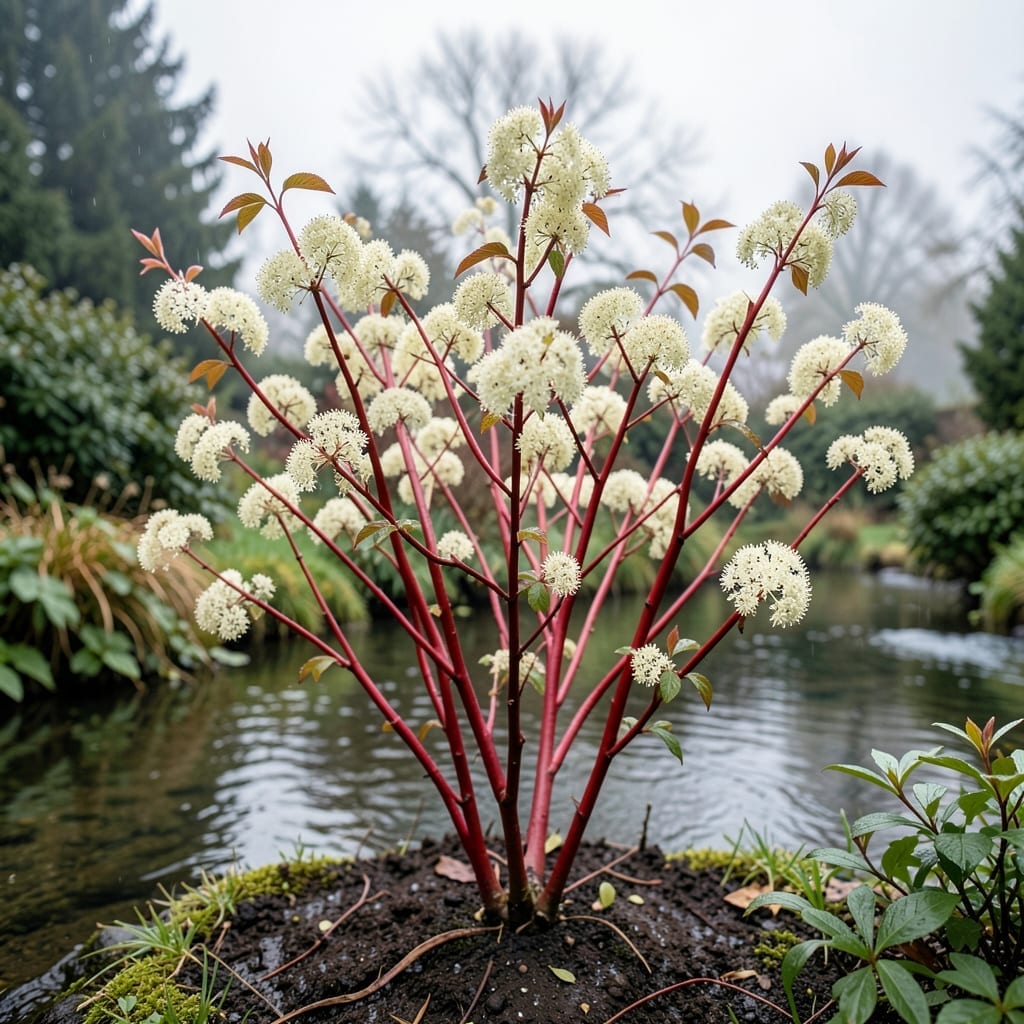
For gardens with damp soil or streamside spots, Red Osier Dogwood brings elderberry-like charm with extra winter drama. Its white spring flower clusters mimic elderberry blooms, while the real showstopper arrives in cold months when stems turn a vibrant red.
This shrub thrives in wet areas where elderberry naturally grows, making it perfect for rain gardens or low-lying spots. It tolerates partial shade and attracts pollinators with its early season blooms, then provides striking color when most plants are dormant.
Ideal for gardeners who want year-round visual interest, especially in challenging wet soil conditions. 🌿
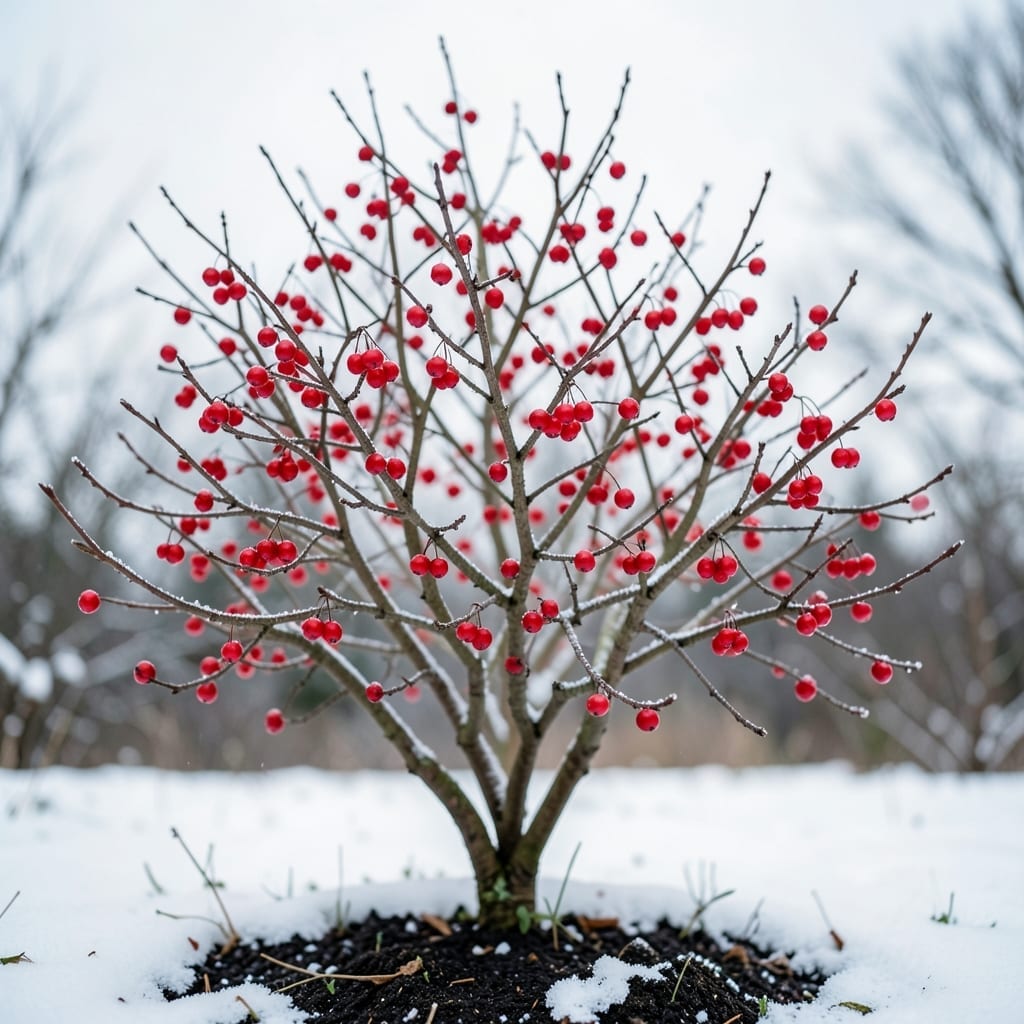
When most plants retreat in winter, winterberry holly steals the show with its bare branches adorned in vivid red berries, creating a stark, striking contrast against snow.
This deciduous shrub thrives in acidic, moist soil and full sun to partial shade. Unlike elderberry’s dark fruits, its bright berries persist through winter, providing food for birds when other sources are scarce. Plant both male and female shrubs for berry production.
Perfect for gardeners seeking year-round drama, especially in winter landscapes that often feel dull and colorless. 🌿
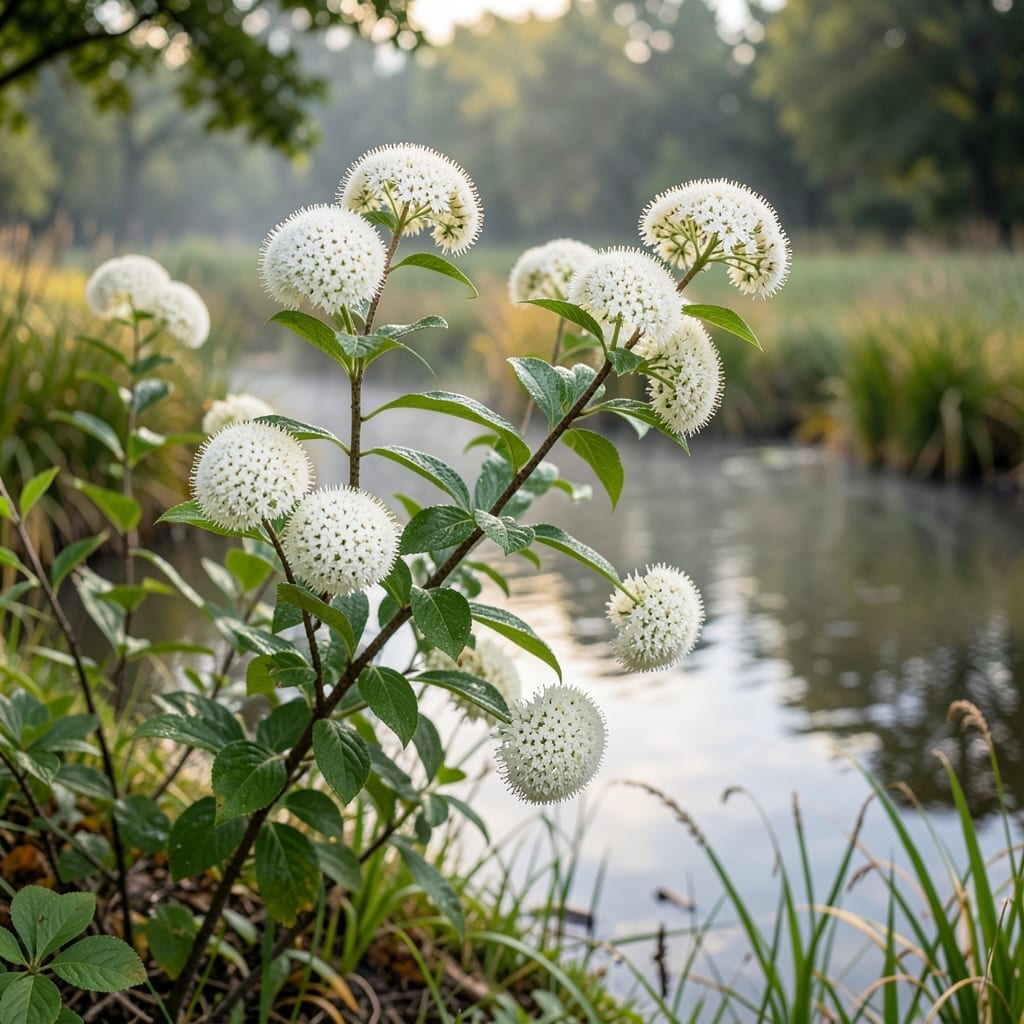
For wetland areas or pond edges, buttonbush stands out with its distinctive globe-shaped white flowers that closely echo elderberry’s spring blooms. This native shrub brings a unique architectural element to water gardens.
It thrives in full sun to partial shade and prefers consistently moist to wet soil, making it ideal for rain gardens or low-lying spots. The spherical blooms attract pollinators like bees and butterflies, while its glossy leaves add year-round interest.
Perfect for gardeners with soggy soil or those creating wildlife habitats, this low-maintenance shrub offers beauty and ecological value without the fuss. 🌿
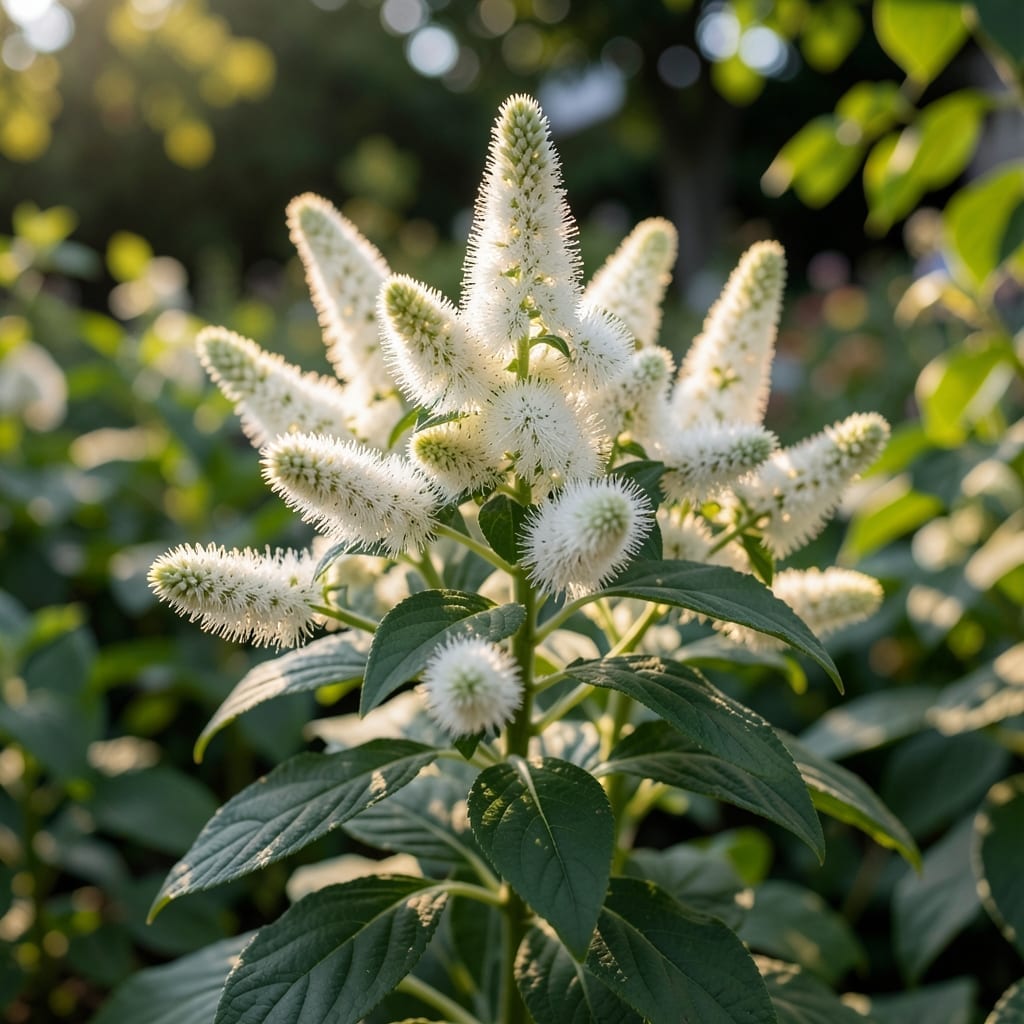
If you love elderberry’s clustered blooms but need a smaller footprint, dwarf fothergilla is your perfect match. Its fuzzy white bottlebrush flowers in spring mimic elderberry’s shape, but this shrub stays compact at just 3-5 feet tall.
This adaptable plant thrives in partial shade to full sun and prefers well-drained, acidic soil. Unlike elderberry, it fits beautifully in borders, containers, or small gardens, making it ideal for urban spaces.
Perfect for gardeners who want elderberry’s charm without the sprawl—it even offers stunning fall foliage in orange, red, and purple hues. 🌿
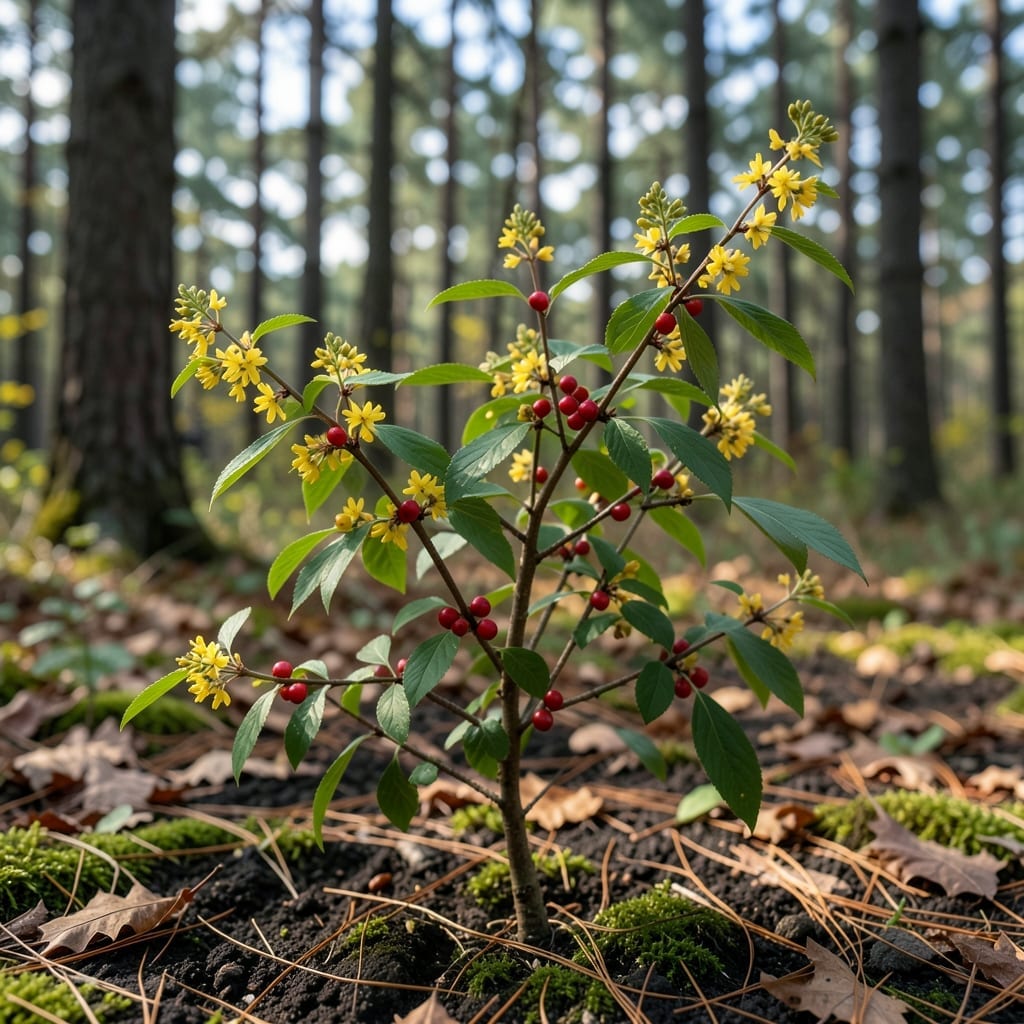
For a more understated alternative to elderberry’s bold look, spicebush offers delicate charm with its tiny yellow flowers and bright red berries. This native shrub brings quiet elegance to woodland gardens and shaded borders.
It thrives in partial shade to full shade and moist, well-drained soil, making it ideal for understory plantings. Beyond its ornamental value, it’s a host plant for swallowtail butterfly caterpillars, adding ecological benefits to its subtle beauty.
Perfect for gardeners who want a low-key shrub that supports pollinators and offers year-round interest with minimal care. 🌿