
Beautiful Plants For Your Interior
Beautiful Plants For Your Interior
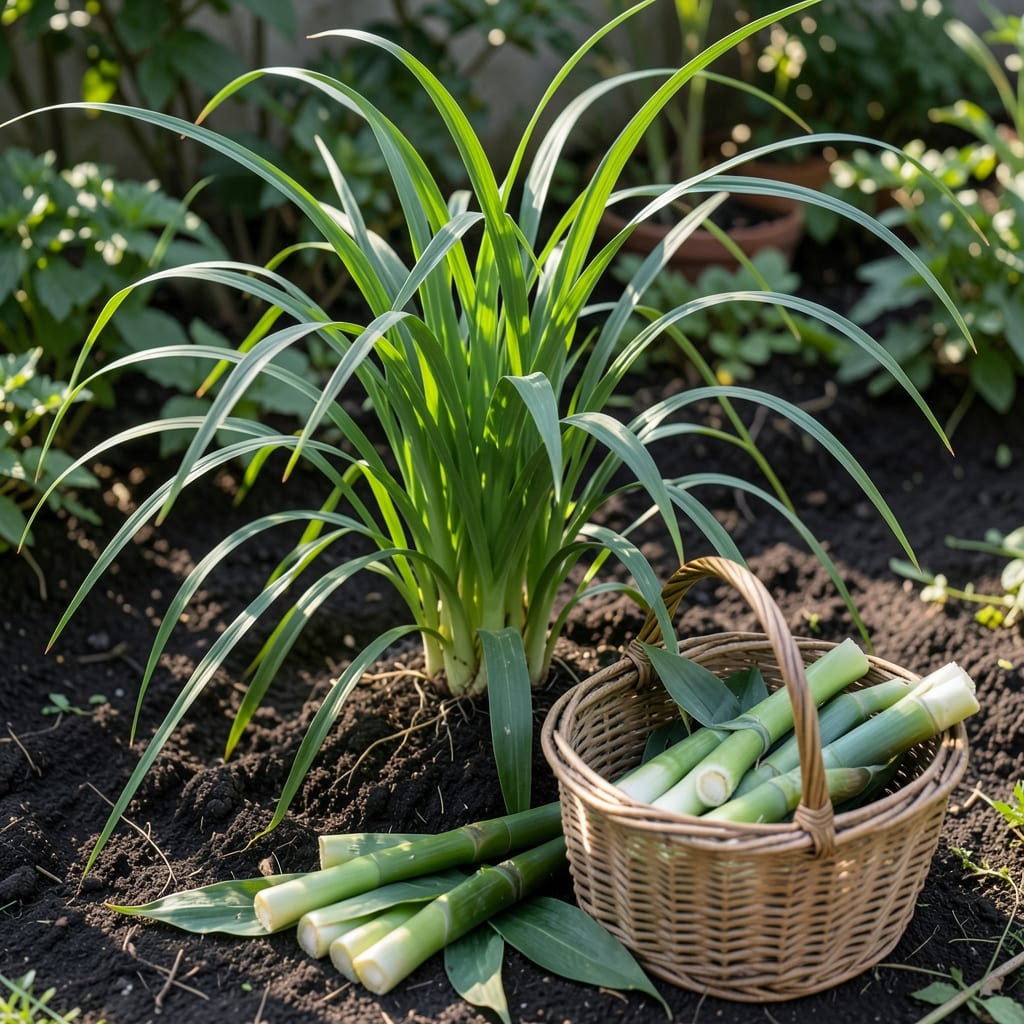
The primary active compound, citral (comprising 65-85% of the essential oil), gives lemongrass its potent anti-inflammatory effects by inhibiting COX-2 enzymes, similar to how common pain relievers work. This compound also demonstrates strong antimicrobial activity against bacteria like E. coli and Staphylococcus in lab studies. ✨
Traditional medicine systems use lemongrass leaves to create teas that aid digestion by stimulating gastric juices. A study published in the Journal of Ethnopharmacology found that 1-2 grams of dried leaves steeped in 250ml hot water can relieve bloating and gas within 30-60 minutes. The citrusy aroma also helps reduce stress when inhaled. 💫
For topical applications, the leaves’ antifungal properties make them effective against skin infections. In Vietnamese folk medicine, poultices made from crushed fresh leaves are applied to wounds to prevent infection. The high geraniol content (about 20-25%) enhances these antimicrobial effects. 🔥
Modern research confirms lemongrass leaves contain quercetin and kaempferol, flavonoids that act as powerful antioxidants. These compounds help neutralize free radicals, potentially reducing the risk of chronic diseases. The leaves’ essential oil is often diluted to 2-5% concentration for safe topical use.
What makes lemongrass particularly valuable is how these compounds work synergistically. While citral handles inflammation, the flavonoids provide antioxidant support, and the terpenes offer additional antimicrobial protection. This multi-pronged approach explains why lemongrass has been used for centuries in traditional healing practices across Southeast Asia.
Yes! Fresh leaves add a bright citrus flavor to soups, curries, and marinades. Bruise them first to release the oils, then remove before serving as they can be tough to chew. Use 2-3 leaves per dish.
Steep 5-6 fresh leaves or 1 tablespoon dried in 1 cup hot water for 5-10 minutes. Add honey or ginger for extra flavor. The tea helps digestion and reduces stress.
Always dilute the essential oil or use as a poultice with crushed leaves. Never apply undiluted oil directly, which can cause irritation. For wounds, wrap crushed leaves in a clean cloth first.
Store dried leaves in an airtight container away from light for up to 6 months. The essential oils gradually degrade, so replace older stocks for best results.