
Beautiful Plants For Your Interior
Beautiful Plants For Your Interior
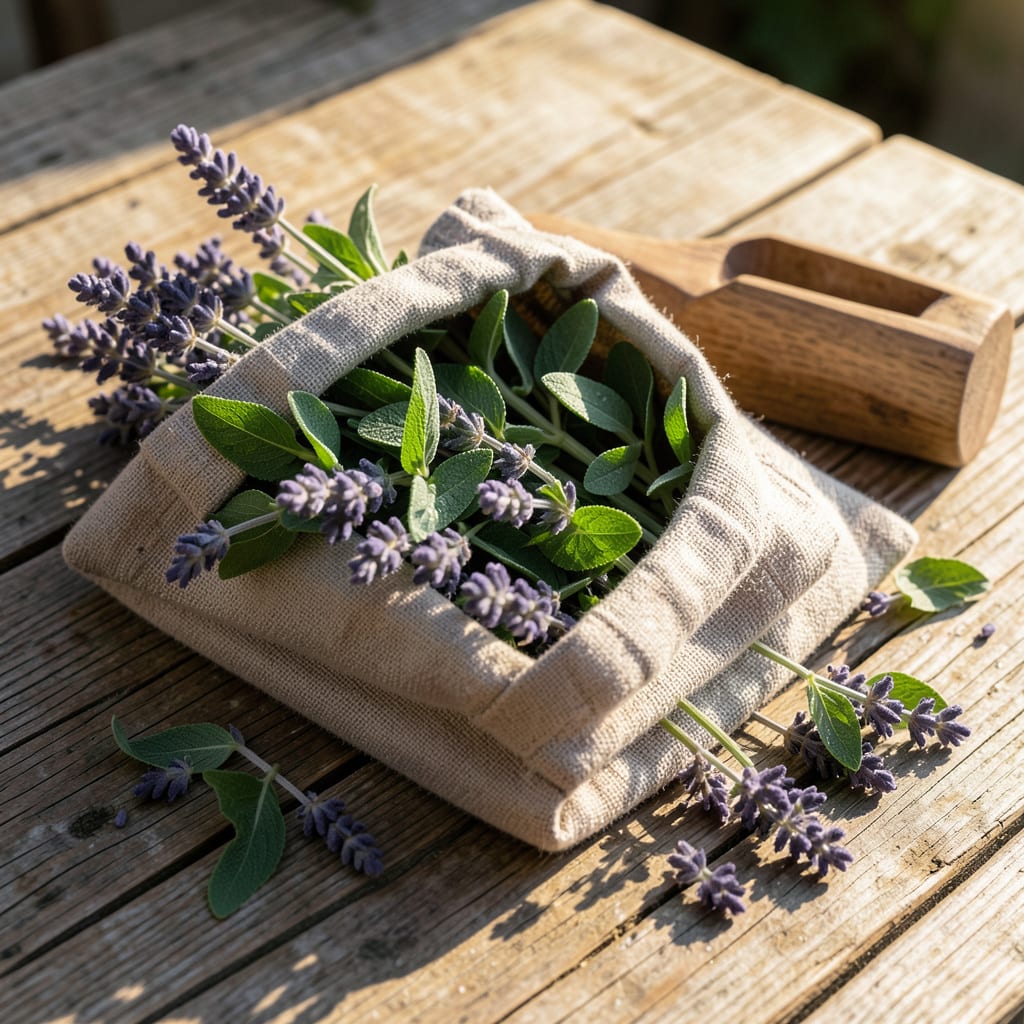
Lavender leaves pack a surprising punch beyond their pretty flowers. I use them to add subtle fragrance to sachets, soothe minor burns, and even flavor honey with an earthy twist.
They’re easy to dry and store, making this a zero-waste way to enjoy every part of the plant. Works in teas, potpourri, or as a calming addition to bath salts.
📚 In This Guide
Here’s the method I rely on to make the most of this fragrant harvest.
Pick mature leaves from healthy lavender plants on a dry morning after the dew has evaporated. Choose stems with vibrant color and no signs of wilting or disease. This ensures maximum fragrance and potency.
Bundle 5-10 stems together and hang them upside down in a dark, well-ventilated space. This preserves the essential oils. Drying takes 2-3 weeks—you’ll know it’s complete when leaves crumble easily between your fingers.
Remove the dried leaves from stems and place them in small fabric pouches. Use breathable materials like cotton or muslin to allow the scent to escape while keeping the leaves contained.
Tuck these sachets into drawers, closets, or under pillows. The fragrance lasts 6-12 months and naturally repels moths. Refresh the sachets when the scent begins to fade.
Use dried leaves to create lavender-infused sugar or honey. Combine 1 tablespoon of crushed leaves with 1 cup of sugar in an airtight container. Let it sit for 1-2 weeks, shaking occasionally.
The sugar absorbs the floral notes and becomes perfect for baking or sweetening beverages. Strain out the leaves before use. For honey, warm it gently with the leaves, then let it cool and steep for 3-5 days.
Fill a clean glass jar with dried leaves and cover them completely with a neutral carrier oil like almond or jojoba. Seal tightly and place in a warm, sunny spot for 2-4 weeks, shaking daily.
Strain out the leaves and store the oil in a dark glass bottle. This oil works beautifully in homemade skincare, massage blends, or as a fragrant addition to bathwater.
Mix dried lavender leaves with other complementary botanicals like rose petals, dried citrus peel, or cinnamon sticks. Add a few drops of lavender essential oil to intensify the fragrance if desired.
Display the potpourri in decorative bowls around your home. The scent releases naturally and can be refreshed by gently stirring the mixture every few weeks.
Here are the details that make all the difference when working with lavender.
The Harvest Timing: Pick mature leaves only on dry mornings after dew has evaporated, as moisture can lead to mold during drying. I’ve found that stems with the deepest color and no wilting yield the most fragrant results for every use.
Drying Technique: Hanging stems upside down in a dark, well-ventilated space for the full 2-3 weeks is non-negotiable. This method preserves essential oils far better than quicker, heat-based drying. You’ll know it’s ready when leaves crumble like dried herbs between your fingers.
Infusion Patience: Whether making sugar, honey, or oil, the steeping times are critical. For sugar, the 1-2 weeks allows full flavor transfer, while honey needs those 3-5 days to develop depth. Shaking the container daily during Step 3 or 4 significantly speeds up the process.
Sachet Longevity: The 6-12 month fragrance life of your sachets depends on using breathable fabrics like cotton or muslin. I refresh mine when the scent noticeably fades, usually around the 8-month mark for maximum effectiveness in repelling moths.
While lavender leaves are non-toxic, they have a strong, bitter flavor and are not typically eaten. Stick to culinary lavender buds for cooking. Always ensure the variety is food-safe and avoid pesticides.
Bundle stems and hang upside down in a dark, dry, well-ventilated area for 2–3 weeks. Alternatively, spread leaves on a tray and dry in a cool oven (lowest setting) for 1–2 hours. Store in airtight containers.
For similar fragrance, try rosemary, mint, or lemongrass. For culinary uses, substitute with rosemary or thyme. These alternatives offer comparable aromatic or flavor profiles.
Brown leaves often signal overwatering or poor drainage. Lavender thrives in dry, well-drained soil. Reduce watering and ensure the plant has good airflow and sunlight to revive it.
Harvest leaves in the morning after the dew dries, ideally in late spring or early summer when oils are most concentrated. Avoid harvesting during extreme heat or when the plant is wet.
