
Beautiful Plants For Your Interior
Beautiful Plants For Your Interior
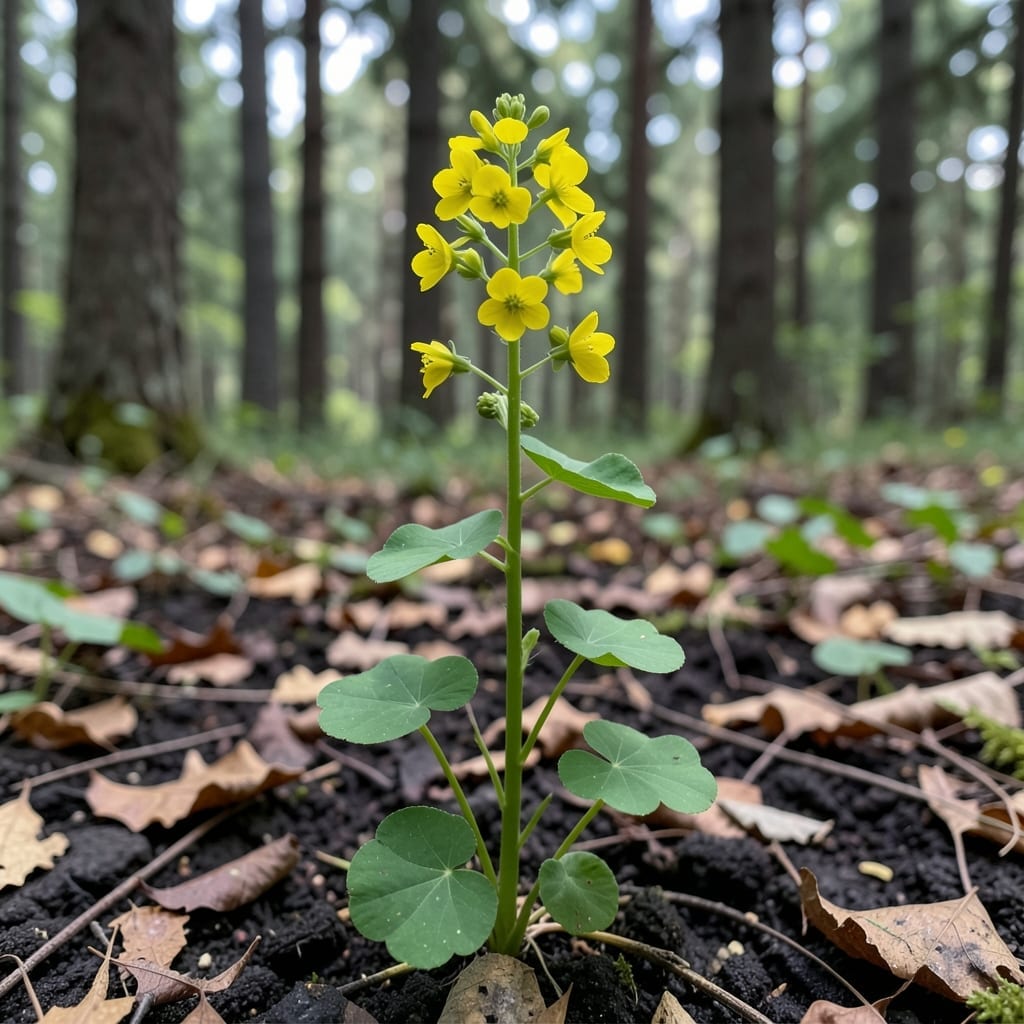
This cheerful yellow flower pops up where you least expect it. I first spotted upright woodsorrel in my vegetable beds last spring, its bright blooms standing tall against the green.
Don’t let its delicate appearance fool you—this plant spreads quickly through seeds and underground stems. The clover-like leaves and five-petaled flowers make identification easy once you know what to look for.
It thrives in disturbed soil, partial shade, and areas with consistent moisture. The good news? It’s easy to manage with consistent weeding before it sets seed.
Organic control works best with mulching, hand-pulling, and competitive planting. You’ll keep it in check without harsh chemicals.
The presence of Oxalis stricta, commonly known as upright yellow woodsorrel, is rarely random. Several ecological and environmental factors create ideal conditions for this persistent weed to thrive. Understanding these triggers can help you address the root causes and prevent its spread. Below are the primary reasons why it appears in lawns, gardens, and landscapes.
Woodsorrel often colonizes areas where soil has been disturbed or left bare. Construction, tilling, or even foot traffic can expose soil and create openings for its seeds to germinate. The plant’s seeds lie dormant in the soil until conditions—like light exposure and loose soil—encourage them to sprout. Actionable tip: Mulch bare spots and avoid unnecessary soil disruption to limit its establishment.
Excess moisture and poorly drained soils create a welcoming environment for upright yellow woodsorrel. Its shallow root system thrives in consistently damp conditions, often outcompeting other plants in waterlogged areas. Actionable tip: Improve drainage by amending soil with organic matter or installing French drains to reduce standing water.
This weed prefers acidic soils with a pH below 6.0. When soil pH drops, it signals an imbalance that often favors woodsorrel over desirable plants like turfgrass or vegetables. Actionable tip: Test your soil pH and apply lime if necessary to neutralize acidity and discourage its growth.
Thin or sparse lawns and gardens provide little competition, allowing woodsorrel to take hold. Weak or patchy grass, overgrazed pastures, or under-planted garden beds give it the space and resources to spread. Actionable tip: Overseed lawns and maintain dense plantings to crowd out weeds naturally.
Dealing with upright yellow woodsorrel in your garden or lawn doesn’t have to be a losing battle. With the right approach, you can manage and even prevent its spread using organic methods. Below are practical solutions tailored to common issues caused by this persistent plant.
If upright yellow woodsorrel is taking over your lawn, hand-pulling is your first line of defense. This weed has a shallow root system, making it easier to remove by hand—especially after rain when the soil is soft. For larger infestations, mow high (3-4 inches) to shade out the weeds and prevent them from getting the sunlight they need to thrive.
Prevention tip: 💡 Maintain a dense, healthy lawn by aerating and overseeding in the fall. A thick lawn leaves less room for weeds to take hold.
In garden beds, upright yellow woodsorrel can compete with your plants for nutrients. Mulching is a highly effective solution. Apply a 2-3 inch layer of organic mulch (like wood chips or straw) to suppress weed growth. For existing weeds, spot-treat with vinegar (a natural herbicide) on a sunny day for best results.
Prevention tip: 🌡️ Use landscape fabric under mulch for an extra barrier, but avoid plastic, which can trap moisture and harm your plants.
Upright yellow woodsorrel reproduces aggressively through seeds, which can explode from the pods when mature. Remove plants before they flower to prevent seeding. If the seed pods have already formed, carefully bag and dispose of the plants to avoid spreading seeds.
Prevention tip: ✨ Regularly inspect your garden and lawn, and act quickly at the first sign of this weed to keep it from establishing a foothold.
Yes, in small amounts. The leaves have a tangy, lemon-like flavor from their oxalic acid content. However, eat sparingly as large quantities may cause stomach upset. Always confirm identification first.
Remove plants before they seed and apply a 2-3 inch layer of mulch. Maintain dense plantings to outcompete new growth. Test soil pH and amend if too acidic.
It spreads through both seeds and underground stems. Even small root fragments left in soil can regrow. Pull when soil is moist to remove roots completely.