
Beautiful Plants For Your Interior
Beautiful Plants For Your Interior
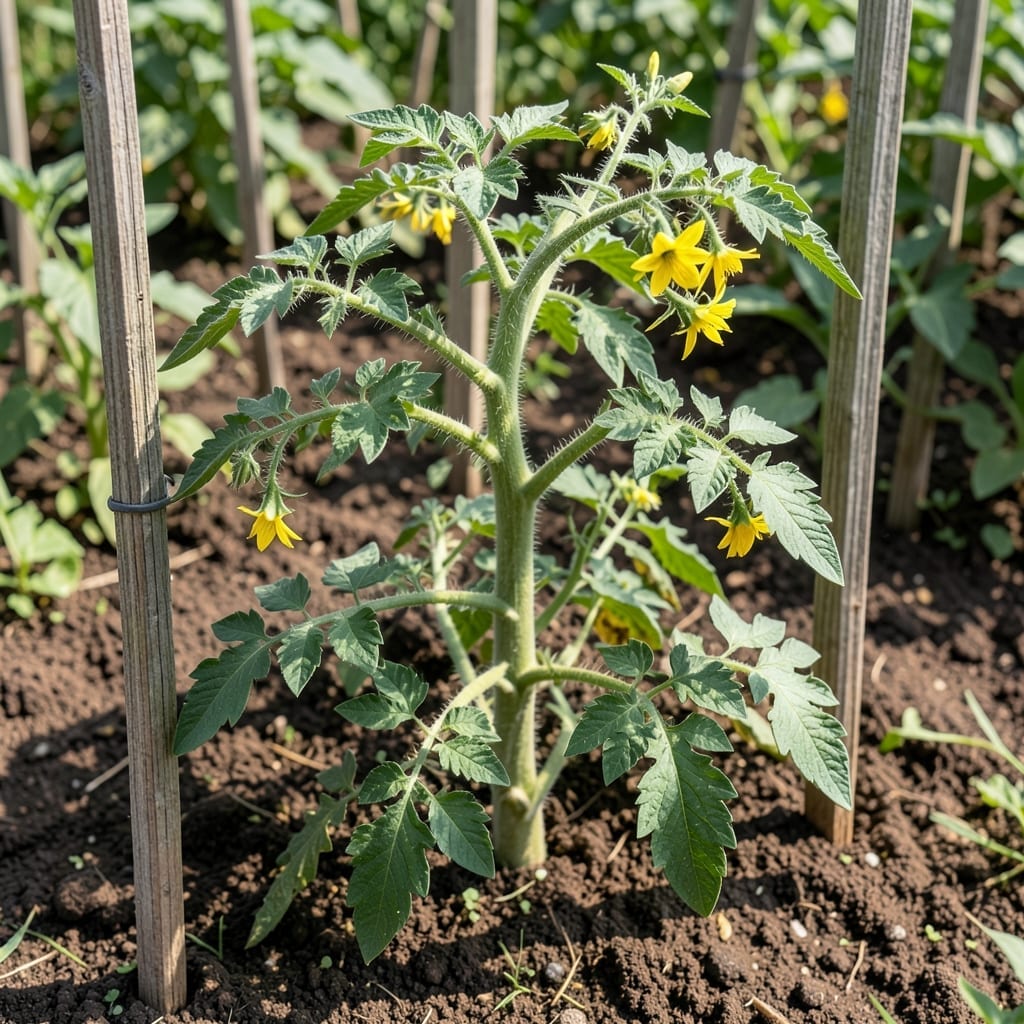
Empty tomato flowers drop without setting fruit. I’ve lost entire early crops to this silent problem—flowers open, then close with nothing to show for it.
Indoor plants, extreme heat, or missing pollinators often cause this. The solution is simpler than you’d think: a gentle shake or paintbrush can replace what bees normally do in 30 seconds.
Hand-pollination works immediately. You’ll see tiny tomatoes form within days where flowers once fell off. No special tools needed—just timing and a light touch.
Works for greenhouse growers, patio containers, or any garden short on bees. Here’s how to spot the issue and fix it fast.
Tomato flowers may remain unpollinated due to several environmental and biological factors. Here’s a breakdown of the most common causes:
Tomatoes thrive in temperatures between 70–85°F (21–29°C). Heat above 90°F (32°C) or cold below 55°F (13°C) can render pollen sterile or prevent its release. High humidity (above 70%) can also clump pollen, making transfer difficult.
Tomatoes are self-pollinating, but they rely on wind or gentle vibration (e.g., from bees or human touch) to shake pollen loose. In still air or greenhouses without pollinators, flowers may not receive adequate pollen.
Excess nitrogen promotes leafy growth at the expense of flowers, while phosphorus and potassium deficiencies weaken bloom development. A balanced fertilizer (e.g., 5-10-10) supports healthy pollination.
Pro tip: Avoid high-nitrogen feeds during flowering.
Some hybrid varieties or stressed plants produce male-sterile flowers. Additionally, flowers may drop before pollination if the plant is water-stressed or root-bound.
When your tomato flowers aren’t setting fruit, a few simple fixes can turn things around. Below are practical solutions tailored to the most common causes, along with prevention tips to keep your plants thriving.
Tomatoes struggle to set fruit when temperatures drop below 55°F (13°C) or rise above 90°F (32°C). Use row covers or cloches to warm plants in cool weather, or provide shade cloth during heatwaves. Prevention tip: Plant early in the season to avoid summer peaks, and choose heat-tolerant varieties like ‘Solar Fire’ or ‘Heatmaster’.
If bees are scarce, take matters into your own hands—literally. Gently tap or shake the flower clusters mid-morning when pollen is most viable, or use a small paintbrush to transfer pollen between flowers. Prevention tip: Attract pollinators by planting companion flowers like marigolds or borage nearby.
Too much nitrogen promotes leafy growth at the expense of flowers. Switch to a low-nitrogen, high-phosphorus fertilizer (e.g., 5-10-10) to encourage blooming. Prevention tip: Test your soil before planting and amend with compost for balanced nutrients.
Weak or deformed flowers often result from stress. Ensure consistent watering (1–2 inches per week) and mulch to retain moisture. Prevention tip: Prune suckers to direct energy toward flower production, and avoid overhead watering to reduce disease risk.
💡 Pro Tip: If all else fails, try a vibrating electric toothbrush on the flower stems—it mimics bee buzz pollination and can significantly improve fruit set!
Look for flowers that open normally but drop off without forming fruit. You may also notice dry, brown centers where the bloom was attached. Healthy pollinated flowers will develop small green tomatoes at the base within days.
Perform hand-pollination between 10 AM and noon, when flowers are fully open and pollen is most active. Avoid early morning dew or late afternoon, as pollen may be damp or less viable.
Yes! A gentle oscillating fan on low for 1-2 hours daily can simulate wind pollination. Position it to create light air movement across the plants without strong direct blasts.
Greenhouses often lack natural pollinators and airflow. The controlled environment can also have temperature or humidity extremes. Regular hand-pollination and environmental monitoring solve this.