
Beautiful Plants For Your Interior
Beautiful Plants For Your Interior
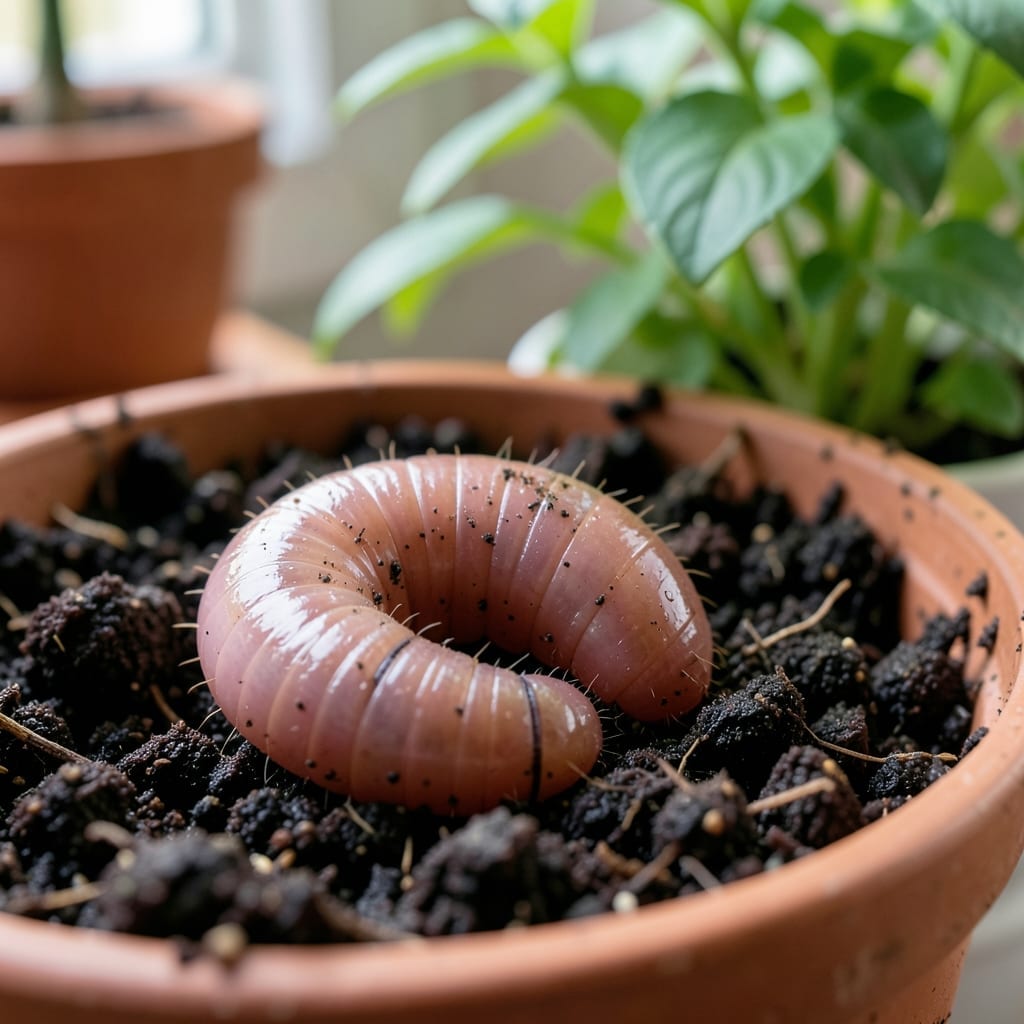
Spotted something wiggling in your potting soil? Don’t panic—most worms are harmless, but some can damage roots. I’ve dealt with my share of unexpected squirmers and learned which ones help and which ones hurt.
Pot worms and red wigglers often hitch a ride in bagged soil, while fungus gnat larvae thrive in damp conditions. The key is knowing what you’re looking at before deciding whether to evict or embrace them.
Natural solutions like drying out soil or introducing beneficial nematodes work 90% of the time. Chemical treatments are rarely needed if you catch the issue early.
Works for all indoor and outdoor potted plants. Here’s how to identify and handle them.
Worms in potted plants don’t just appear by chance—they’re usually invited in by specific conditions or habits. Here’s why your indoor garden might be hosting these uninvited guests:
Excess moisture creates the perfect breeding ground for worms. When soil stays soggy due to overwatering or lack of drainage holes, it mimics the damp environments worms love. Fungus gnats, for example, lay eggs in moist soil, and their larvae (maggot-like worms) thrive in these conditions. Fix it: Let the top 1-2 inches of soil dry out between waterings and ensure pots have drainage.
Using unsterilized garden soil or homemade compost can introduce worm eggs or larvae directly into your pots. Even store-bought potting mixes can sometimes harbor potted worm species like Enchytraeids (white, thread-like worms). Fix it: Sterilize soil by baking it at 200°F (93°C) for 30 minutes or buy pre-sterilized mixes.
Decaying leaves, dead roots, or uneaten organic matter (like tea leaves or fruit peels) attract worms seeking food. These materials break down slowly in pots, providing a continuous food source for decomposers like red wigglers or black soldier fly larvae. Fix it: Remove plant debris regularly and avoid burying food scraps in potted soil.
Worms can hitch a ride on new plants, tools, or even your hands. If you’ve recently repotted a plant from outdoors or used shared gardening tools, you might’ve accidentally transported worms or their eggs. Fix it: Inspect new plants for signs of worms and clean tools with rubbing alcohol between uses.
Dealing with worms in potted plants is easier than you think! Below are targeted solutions for each common cause, along with prevention tips to keep your plants healthy and worm-free.
If soggy soil is attracting worms, repot your plant in fresh, well-draining soil. Choose a pot with drainage holes and add a layer of perlite or sand to the mix. Water only when the top inch of soil feels dry. Prevention tip: Use a moisture meter 💡 to avoid overwatering.
Decaying leaves or compost on the soil surface can invite worms. Gently remove any organic debris and replace the top layer of soil with a clean, sterile mix. Prevention tip: Keep the pot area clean ✨ and avoid leaving plant clippings on the soil.
For existing worm infestations, use natural remedies like neem oil or a mild soap solution (1 tsp dish soap per liter of water) to drench the soil. Alternatively, introduce beneficial nematodes to target harmful worms. Prevention tip: Sterilize soil 🌡️ by baking it at 200°F for 30 minutes before potting.
Worms can linger in unclean pots. Wash pots with a bleach solution (1 part bleach to 9 parts water) and rinse thoroughly before reuse. Prevention tip: Inspect new plants 🎯 for worms or eggs before bringing them indoors.
With these simple fixes, your potted plants will thrive—worm-free! 🌿
No, many are harmless or even beneficial. Red wigglers aerate soil, while pot worms break down organic matter. Only a few, like fungus gnat larvae, damage roots.
Look for wilting, yellowing leaves, or stunted growth. Harmful worms often leave visible trails or chew marks on roots. Healthy plants can tolerate most worm activity.
Let soil dry out for 2-3 days to kill moisture-loving worms. For stubborn cases, repot with fresh, sterilized soil. Avoid harsh chemicals for indoor plants.
Yes, especially in close quarters. Isolate infested plants and clean tools between use. Fungus gnats are notorious for spreading quickly in damp conditions.