
Beautiful Plants For Your Interior
Beautiful Plants For Your Interior
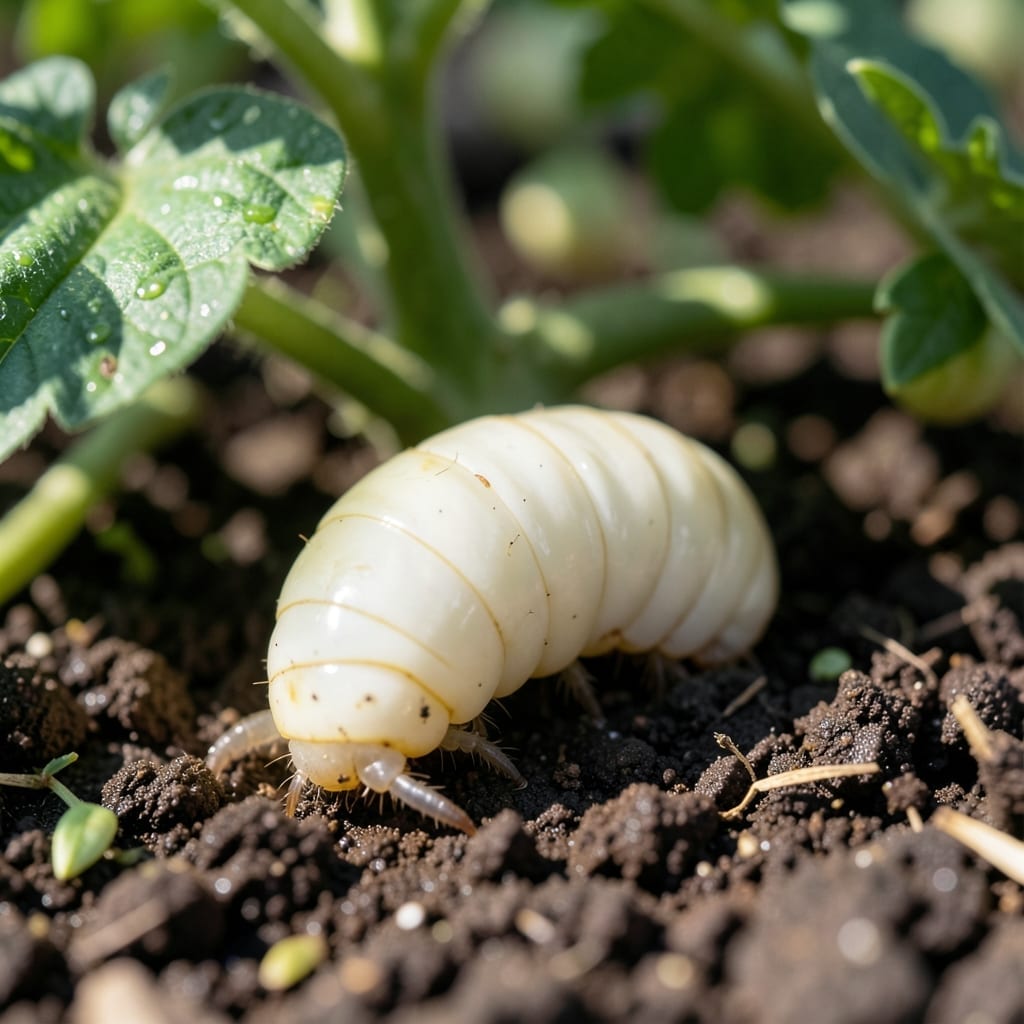
Spot a wilting leaf or chewed stems? Worms might be the culprit. I’ve dealt with my share of plant invaders, and identifying the right worm early saves your garden from serious damage.
Some worms curl leaves into tight rolls, while others burrow into stems or roots. The damage looks different—yellowing foliage, stunted growth, or holes in leaves—but the solution starts with knowing which pest you’re facing.
Organic fixes like neem oil or beneficial nematodes often do the trick. For stubborn infestations, targeted treatments work without harming your plants or the good bugs in your soil.
Prevention is simpler than you think: healthy soil, proper watering, and regular checks keep most worm problems from ever starting.
Worms in plants often appear due to specific environmental or biological triggers. Understanding these causes helps prevent infestations and protect your garden. Below are the most common reasons these pests take hold.
Unbalanced soil conditions, such as excessive moisture or compacted earth, create ideal breeding grounds for worms. Overwatering drowns plant roots and reduces oxygen levels, while dense soil restricts drainage. Both scenarios attract root-knot nematodes and other worms that thrive in stressed plant environments.
Healthy ecosystems rely on checks and balances. When beneficial insects (like ground beetles or parasitic wasps) are absent, worm populations can explode. Overuse of broad-spectrum pesticides often kills these natural enemies, leaving plants vulnerable to worm infestations.
Introducing infected plants, seeds, or compost into your garden is a direct pathway for worms. Cutworms and wireworms often hitchhike on transplanted seedlings or unsterilized soil. Always inspect new additions and source materials from reputable suppliers to avoid contamination.
Warm, humid weather accelerates worm reproduction. For example, armyworms and cabbage loopers flourish in prolonged wet seasons. Similarly, mild winters allow larvae to survive and multiply, leading to larger infestations in spring. Monitoring weather patterns helps anticipate and mitigate risks.
Dealing with worms in your plants can be frustrating, but these practical solutions will help you restore your garden’s health. Below are targeted fixes for common worm-related issues, paired with prevention tips to keep them from returning.
For caterpillars and loopers munching on leaves, handpick them off in the early morning or evening when they’re most active. Drop them into soapy water to ensure they don’t return. For larger infestations, apply Bacillus thuringiensis (Bt), a natural bacteria that targets only caterpillars. Prevention tip: 💡 Encourage birds and beneficial insects like ladybugs, which feed on these pests.
If your plants have stunted growth or swollen roots, nematodes may be the culprit. Solarize the soil by covering it with clear plastic for 4–6 weeks to kill larvae with heat. Alternatively, plant resistant varieties like marigolds or rotate crops yearly to disrupt their life cycle. Prevention tip: 🌡️ Avoid overwatering, as damp soil attracts nematodes.
Cutworms sever young seedlings at the base. Protect them by wrapping stems with cardboard collars or placing aluminum foil barriers around the base. Diatomaceous earth can also deter them when sprinkled around plants. Prevention tip: ✨ Keep the garden free of debris where cutworms hide during the day.
For worms burrowing into fruits or stems, prune and destroy affected areas immediately to prevent spreading. Introduce beneficial nematodes to the soil to target larvae before they mature. Prevention tip: 🎯 Use row covers to block adult moths from laying eggs on plants.
With these steps, you can tackle worm issues head-on and keep your garden thriving naturally!
Look for chewed leaves, holes in foliage, or wilting despite adequate water. Some worms leave silky trails or rolled leaves. Inspect stems and soil too—burrowing types cause stunted growth or swollen roots.
No! Earthworms improve soil health. Only pests like cutworms, nematodes, or armyworms damage plants. Beneficial worms aerate soil and break down organic matter.
Handpick visible pests or use neem oil for mild infestations. For stubborn cases, Bt (Bacillus thuringiensis) targets caterpillars without harming other wildlife. Always start with organic methods.
Yes, especially in dense gardens. Isolate infested plants and avoid moving soil or tools between beds. Regular inspections help catch problems early before they spread.