
Beautiful Plants For Your Interior
Beautiful Plants For Your Interior
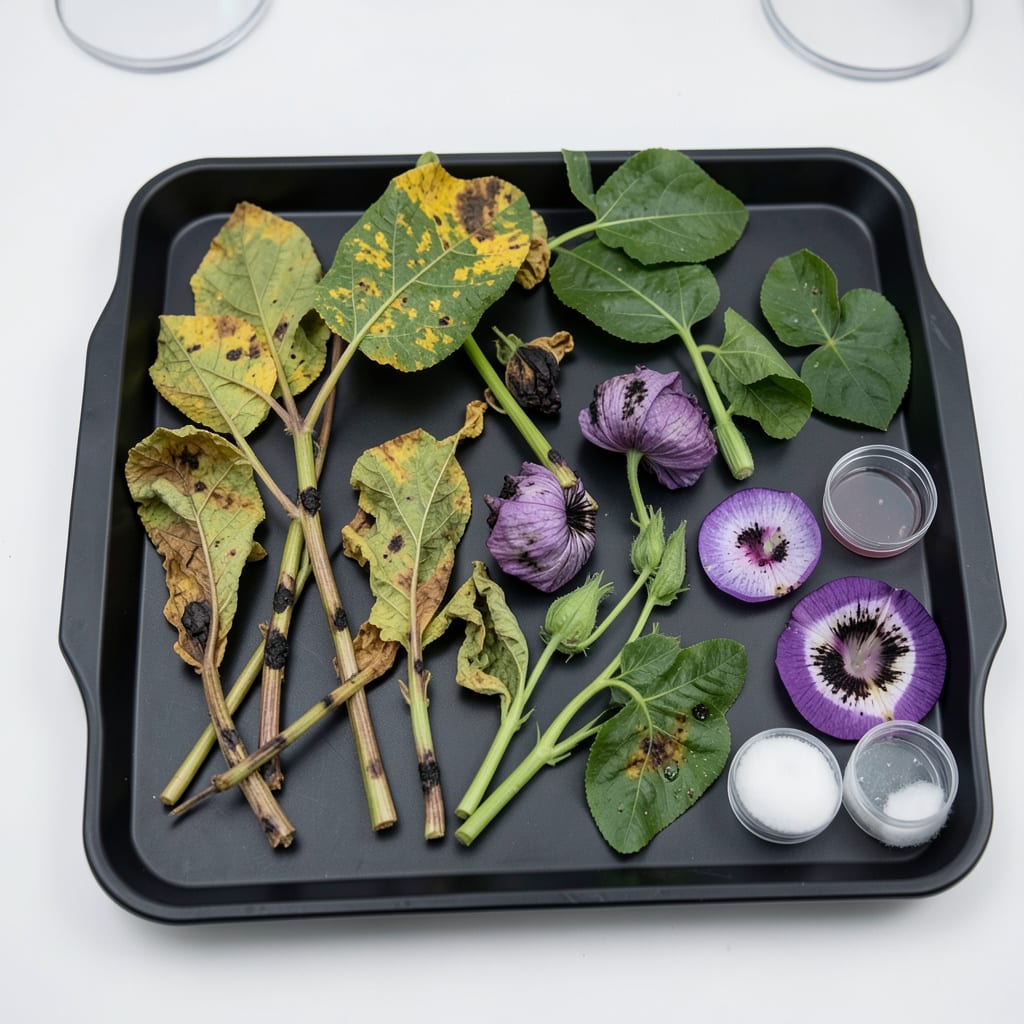
Spotting trouble early saves your morning glories. I’ve lost entire trellises to diseases that started as tiny spots, so I know how fast things can go downhill. The key is recognizing the first signs before they spread.
Fungal issues, leaf spots, and powdery mildew show up differently, but they all leave clues. Yellowing leaves, dark patches, or white powdery coatings mean it’s time to act. Most problems stem from too much moisture or poor air circulation around the vines.
With the right pictures and descriptions, you’ll identify issues in minutes instead of guessing. Early treatment with fungicides or better spacing can stop the damage before it ruins your blooms.
Prevention is simpler than cure, so start with good habits this season. Your morning glories will thank you with vibrant, healthy growth.
Morning glories are beloved for their vibrant blooms, but they’re not immune to diseases. Understanding the root causes helps you prevent and address issues early. Here’s why these problems occur:
Wet, humid conditions create the perfect breeding ground for fungi like Alternaria and Phytophthora. These pathogens thrive in poorly drained soil or when foliage stays damp for too long. Overhead watering and crowded plantings also increase fungal risks.
Bacteria such as Pseudomonas and Xanthomonas enter through wounds or splashing water, causing leaf spots and wilting. Contaminated tools or infected plant debris can spread these microbes rapidly.
Sap-sucking pests like aphids, whiteflies, or spider mites weaken plants, making them more susceptible to secondary infections. Their feeding damage creates entry points for viruses and bacteria.
Extreme heat, poor air circulation, or nutrient deficiencies stress morning glories, lowering their natural defenses. Over-fertilizing (especially with nitrogen) can also promote lush but weak growth that’s prone to disease.
Inconsistent watering—either too much or too little—stresses roots and leaves. Overwatering leads to root rot, while drought weakens the plant. Always water at the base to keep foliage dry.
Proactively addressing these factors can keep your morning glories thriving and disease-free. 💡
Dealing with morning glory diseases can feel overwhelming, but early action makes all the difference. Below are targeted solutions for common problems, paired with prevention tips to keep your plants thriving. 🌱✨
This white, powdery fungus thrives in humid, crowded conditions. Fix it by:
Prevention tip: 💡 Space plants 12–18 inches apart and water at the base to keep leaves dry.
These pests suck sap, weakening plants and spreading disease. Combat them by:
Prevention tip: 🎯 Inspect plants regularly, especially the undersides of leaves, and remove debris where pests hide.
Overwatering or poor drainage leads to soggy roots and fungal growth. Save your plant by:
Prevention tip: 🌡️ Water only when the top inch of soil is dry, and ensure pots have drainage holes.
Brown or black spots with yellow halos signal fungal or bacterial leaf spot. Treat it by:
Prevention tip: ✨ Rotate crops yearly and clean garden tools with rubbing alcohol to avoid contamination.
White spots are usually powdery mildew, a fungal disease. It appears as a white, powdery coating on leaves. Treat with neem oil or a baking soda solution and improve air circulation.
Yellow leaves often indicate overwatering or poor drainage, leading to root rot. Check soil moisture and ensure proper drainage. Adjust watering to let the top inch of soil dry between sessions.
Avoid overhead watering to keep leaves dry. Remove infected leaves immediately and apply a copper fungicide. Rotate plant locations yearly to prevent recurring issues.
Yes! Sap-sucking pests like aphids and spider mites weaken plants, making them vulnerable to infections. Use insecticidal soap or introduce natural predators like ladybugs.
