
Beautiful Plants For Your Interior
Beautiful Plants For Your Interior
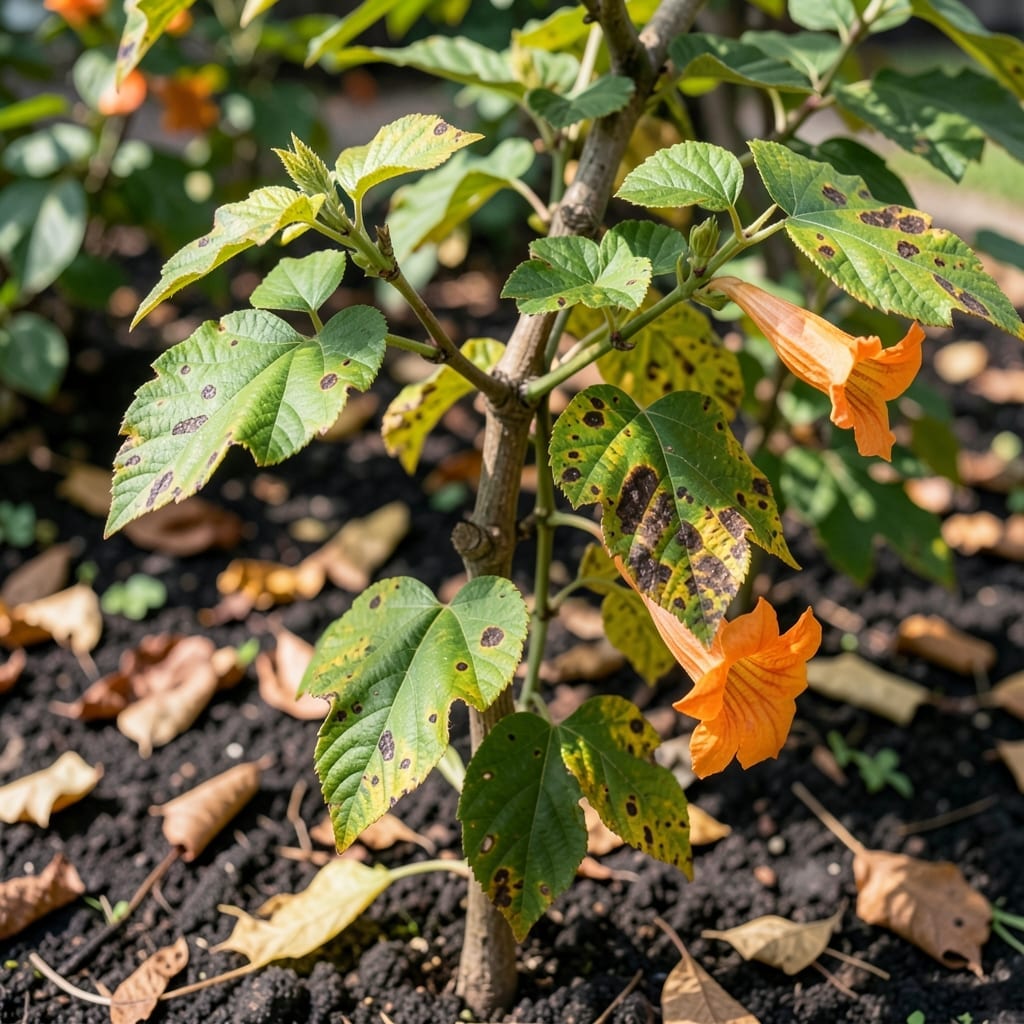
My trumpet vine nearly died before I learned to spot the trouble early. Leaf spots, wilting, or stunted growth aren’t just bad luck—they’re warnings you can act on before real damage sets in.
Most issues stem from too much moisture, poor air flow, or weak plants. I’ve saved countless vines by catching powdery mildew or root rot in the first week, using simple organic fixes anyone can mix at home.
You’ll see new growth return within 2-3 weeks once conditions improve. The key is consistency: water at the base, prune for airflow, and keep an eye on the leaves.
Works for container and in-ground plants alike. Let’s get your vine back on track.
Understanding the root causes of trumpet vine diseases can help you prevent and manage them effectively. Here are the primary factors that contribute to these issues:
Extreme weather conditions, such as drought, excessive heat, or frost, can weaken trumpet vines, making them more susceptible to diseases. Poor drainage or overly wet soil can also lead to root rot, a common fungal issue. Ensure your vine has consistent moisture and protection from harsh elements.
Fungi like Phomopsis and Botrytis thrive in damp, poorly ventilated environments. They often cause leaf spots, wilting, or cankers. Overwatering, lack of air circulation, or contaminated tools can spread these pathogens. Prune infected areas and avoid overhead watering to reduce fungal risks.
Insects such as aphids, scale, and spider mites can stress trumpet vines by feeding on their sap, leaving them vulnerable to secondary infections. Regularly inspect leaves and stems for pests, and use organic treatments like neem oil to keep them at bay.
Improper pruning, over-fertilization, or planting in unsuitable soil can stress trumpet vines. Too much nitrogen, for example, promotes leafy growth at the expense of flowers, while compacted soil restricts root health. Follow best practices for planting, watering, and fertilizing to maintain vigor.
Trumpet vines are hardy, but even they can fall victim to diseases. Here’s how to tackle common issues and keep your vine thriving.
If you spot white, powdery patches on leaves, it’s likely powdery mildew. Prune crowded branches to boost airflow, and remove infected leaves immediately. Spray the plant with a mix of 1 tablespoon baking soda + 1 teaspoon dish soap + 1 gallon of water weekly until the issue clears. Prevention tip: 💡 Space plants properly and water at the base to keep foliage dry.
These pests cause yellowing leaves and sticky residue. Blast them off with a strong stream of water, then apply insecticidal soap or neem oil. For a long-term fix, introduce ladybugs or lacewings—natural predators that keep pests in check. Prevention tip: 🌿 Encourage beneficial insects by planting companion flowers like marigolds nearby.
Brown or black spots on leaves often mean fungal leaf spot. Prune infected leaves and dispose of them in the trash (not compost). Switch to drip irrigation to keep leaves dry. Apply a copper-based fungicide if the problem persists. Prevention tip: ✨ Water early in the day so leaves dry quickly in the sun.
Yellowing leaves and wilting despite wet soil? Root rot may be the culprit. Stop watering immediately and check the roots—trim any black, mushy ones. Repot in fresh, well-draining soil and ensure containers have drainage holes. Prevention tip: 🌧️ Use raised beds or amend soil with sand or perlite to prevent waterlogging.
Look for white, powdery patches on the upper leaf surfaces. It often appears first on younger leaves and can spread quickly in humid conditions. Act fast to prevent it from weakening the plant.
These are likely fungal leaf spots. Remove infected leaves immediately and dispose of them in the trash. Avoid wetting the foliage when watering to prevent further spread.
Yes, if caught early. Trim affected roots, repot in fresh, well-draining soil, and hold off on watering until the plant recovers. Ensure containers have drainage holes to prevent recurrence.
Blast them off with water, then apply insecticidal soap or neem oil. For long-term control, introduce ladybugs or lacewings to your garden. These natural predators keep aphid populations in check.