
Beautiful Plants For Your Interior
Beautiful Plants For Your Interior
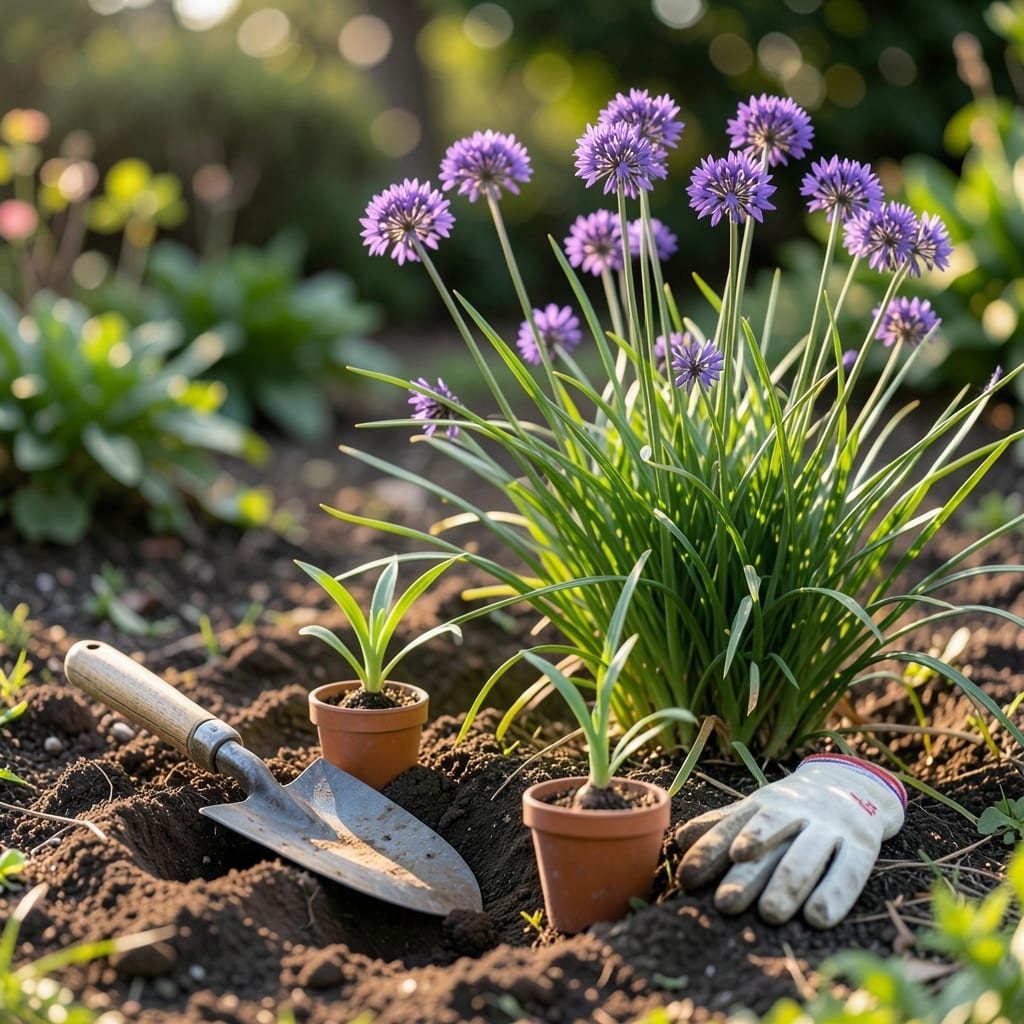
I still remember the first time I saw Triteleia Queen Fabiola 🌸 in full bloom – those deep purple flowers were absolutely breathtaking. But here’s what most gardeners don’t realize: timing is everything with this beauty.
Plant too early or too late, and you might miss out on that spectacular display. After years of trial and error, I’ve discovered the perfect window to get the most vibrant results.
Let me show you exactly when to plant these bulbs for maximum impact in your garden. The secret lies in working with nature’s schedule, not against it.
If you want Triteleia Queen Fabiola to thrive, timing is critical. This stunning bulb needs the right seasonal conditions to establish strong roots before winter. I’ve found that fall planting works best in most regions.
For USDA zones 6-9, aim to plant between September and October. In cooler zones like 4-5, late summer planting gives bulbs time to settle before the first frost. 🌱
| Climate Zone | Planting Window | Soil Temp |
|---|---|---|
| Zones 4-5 | Late August-Sept | Below 60°F |
| Zones 6-7 | September-October | 50-60°F |
| Zones 8-9 | October-November | Below 55°F |
In warmer climates like zones 8-9, you can plant as late as November. The key is getting bulbs in the ground 6-8 weeks before your first hard frost. This gives them time to develop roots.
I always check my soil temperature with a simple thermometer. When it consistently stays below 60°F, that’s my cue. Cooler soil prevents premature sprouting while allowing root growth.
For container planting, you have more flexibility. I’ve successfully planted Queen Fabiola bulbs in pots in early winter, as long as I protect them from hard freezes. Just ensure your containers have good drainage. 🪴
If you’re in zone 3 or colder, consider planting in spring after the last frost. While not ideal, it can work with extra care. Mulch heavily to protect from late frosts that could damage new growth.
Remember that soil type affects timing too. In heavy clay soils, plant a week earlier as they warm up slower. Sandy soils warm faster, so you can plant a bit later.
I’ve noticed that bulbs planted in well-draining soil establish faster. If your soil is heavy, amend it with compost before planting. This improves both drainage and nutrient availability.
Finally, mark your calendar for fall feeding. A light application of 5-10-10 fertilizer at planting time gives bulbs a nutrient boost for spring blooming. ☀️
I always start by preparing the soil properly before planting Triteleia Queen Fabiola. These bulbs thrive in well-draining soil with a neutral pH, so I amend heavy clay with compost. This improves both drainage and nutrient content. 🌱
Planting depth is crucial for success. I dig holes 4-6 inches deep and space bulbs 6-8 inches apart. This gives them room to grow without competing for nutrients. The deeper end of this range is better for colder climates.
After planting, I give the bulbs a deep watering to help them settle. Then I add a 2-inch layer of mulch to insulate the soil and retain moisture. This is especially important in colder zones.
For the first few weeks, I check the soil moisture regularly. The bulbs need consistent moisture to develop roots, but I avoid waterlogging. In dry spells, I water once a week until the ground freezes. ☀️
I’ve found that fall-planted bulbs benefit from a light application of 5-10-10 fertilizer at planting time. This gives them a nutrient boost for spring growth. Just work it into the soil beneath the bulbs.
In spring, as the green shoots emerge, I reduce watering but keep the soil moist. When the flower buds appear, I switch to a low-nitrogen fertilizer to encourage blooming rather than foliage growth. 🌿