
Beautiful Plants For Your Interior
Beautiful Plants For Your Interior
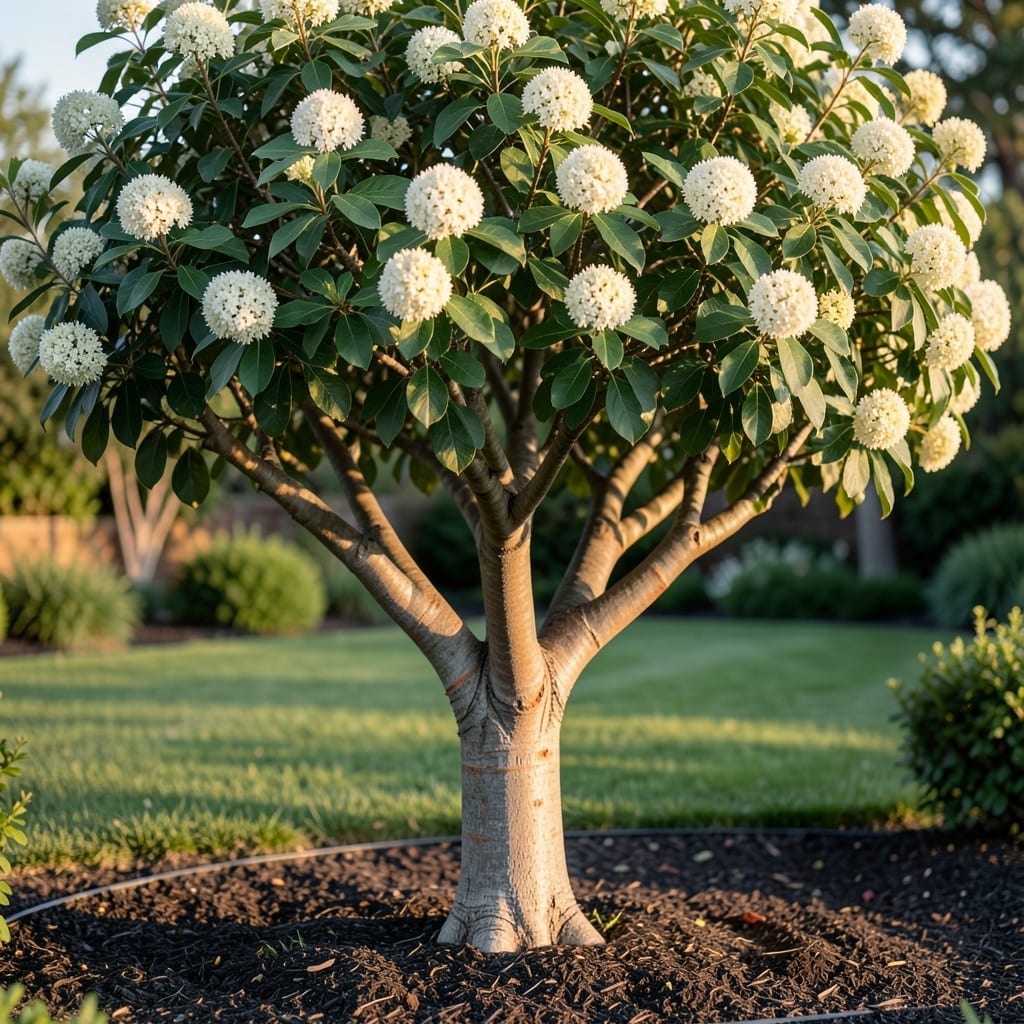
That first spring when my dogwood burst into white ball flowers, I understood why people plant these trees for generations.
These aren’t just pretty faces—they’re tough, adaptable, and often fragrant. Whether you’re working with a small yard or acres of land, there’s a variety that’ll thrive in your space with the right care.
You’ll get weeks of stunning blooms, then often colorful fall foliage or berries. The key is matching the tree to your soil and sunlight, then giving it consistent moisture during that first growing season.
Most establish quickly and reward you with more spectacular displays each year. Here’s how to make it happen.
The striking white ball flowers on trees like Chionanthus (fringe trees) or Styrax (snowbell trees) appear due to a combination of biological and environmental triggers. These blooms are part of the tree’s reproductive cycle, designed to attract pollinators and ensure propagation. Below are the key causes behind this natural spectacle.
Many trees with white ball flowers bloom in spring or early summer, aligning with their internal biological clocks. This timing coincides with optimal conditions—warmth, sunlight, and pollinator activity—which maximize the chances of successful pollination. The tree conserves energy during colder months and directs it toward flower production as days lengthen.
The white, clustered blooms are evolutionarily designed to stand out against green foliage, signaling to bees, butterflies, and other pollinators. Their color and shape often mimic food sources, luring insects to transfer pollen. Some species even emit a faint, sweet fragrance to enhance this effect.
Flowering is heavily influenced by rainfall, temperature, and daylight. A wet spring can trigger lush blooms, while drought may delay or reduce them. Trees also respond to vernalization—a period of cold exposure—required for some species to break dormancy and initiate flowering.
Each tree species has a genetically determined flowering cycle. For example, Magnolia varieties produce their iconic white blooms at specific maturity stages, often taking years to reach flowering age. This ensures the tree has enough resources to support reproduction.
If your tree with white ball flowers isn’t thriving, these practical fixes can help restore its health and beauty. Below are targeted solutions for common problems, along with prevention tips to keep your tree blooming beautifully.
Yellow leaves often signal overwatering or poor drainage. To fix this, check the soil around the tree. If it feels soggy, reduce watering and amend the soil with compost or sand to improve drainage. For potted trees, ensure the container has drainage holes.
Prevention tip: 💡 Water only when the top 1-2 inches of soil are dry, and use a well-draining soil mix.
Common pests like aphids or scale insects can weaken your tree. Remove them by spraying the tree with a mild soap and water solution or introducing beneficial insects like ladybugs. For severe cases, use neem oil as a natural pesticide.
Prevention tip: 🎯 Regularly inspect leaves and stems for early signs of pests, and keep the area around the tree free of debris.
If your tree isn’t producing its signature white ball flowers, it may need more sunlight or nutrients. Move potted trees to a sunnier spot (6+ hours of sunlight daily) and fertilize with a balanced, slow-release fertilizer in early spring.
Prevention tip: ✨ Prune dead or overgrown branches in late winter to encourage new growth and better air circulation.
Sudden leaf drop can result from environmental stress, such as extreme temperatures or drought. Water deeply during dry spells and mulch around the base to retain moisture. If frost is a concern, cover young trees with burlap in winter.
Prevention tip: 🌡️ Acclimate the tree gradually to temperature changes and avoid planting in windy or exposed areas.
Dogwood, Magnolia, and Hydrangea are top choices. Dogwood offers spring blooms, Magnolia has fragrant flowers, and Hydrangea provides long-lasting clusters that can change color based on soil pH.
Most thrive in full sun to partial shade. Aim for at least 6 hours of direct sunlight daily for optimal blooming. Shade-tolerant varieties like some Hydrangeas can manage with less.
Early spring or fall are ideal. This timing allows roots to establish before extreme heat or cold. Avoid planting in peak summer or winter when stress on the tree is highest.
Lack of blooms often means insufficient light, improper pruning, or nutrient deficiency. Ensure it gets enough sun, avoid heavy pruning, and fertilize in early spring with a balanced mix.