
Beautiful Plants For Your Interior
Beautiful Plants For Your Interior
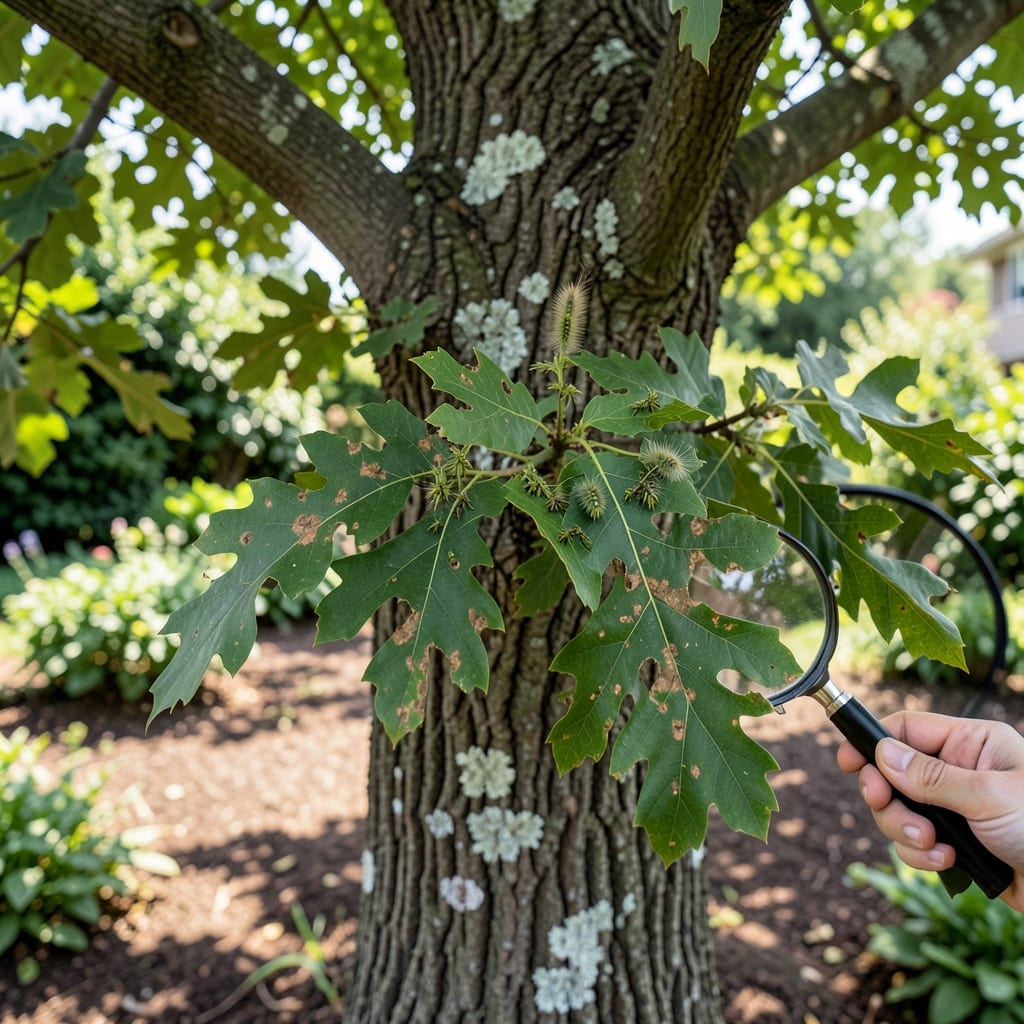
Your trees speak through their leaves, bark, and branches. I learned to listen after losing a mature oak to borers that left telltale exit holes in the trunk.
Early detection changes everything. Yellowing leaves, sticky residue, or unusual growths often signal trouble before it spreads. The right action at the right time can save a tree that took decades to grow.
Most problems have simple solutions: pruning infected limbs, applying organic sprays, or improving cultural conditions. Prevention beats treatment every time.
This guide helps you identify what you’re seeing and take immediate steps. Your trees will thank you with years of shade and beauty.
Tree pests and diseases don’t appear out of thin air—they thrive when conditions are just right. Understanding the why behind infestations and infections helps you prevent them before they take hold. Here’s a breakdown of the key triggers:
Trees under stress are sitting ducks for pests and pathogens. Drought, extreme heat, or poor soil quality weaken a tree’s natural defenses, making it easier for invaders like bark beetles or fungal spores to move in. For example, Pine beetles target water-stressed pines, while root rot flourishes in overly wet, compacted soil. Actionable fix: Monitor soil moisture, mulch properly, and water deeply but infrequently to reduce stress.
Neglect is an open invitation. Improper pruning cuts (leaving jagged wounds) or ignored deadwood create entry points for pests like wood-boring beetles and diseases like fire blight. Over- or under-fertilizing can also disrupt a tree’s balance, leaving it vulnerable. Actionable fix: Prune during dormant seasons, sanitize tools between cuts, and follow a balanced fertilization schedule.
We’re often the unintentional carriers. Moving firewood transports invasive pests like the emerald ash borer, while contaminated gardening tools can spread fungal spores from one tree to another. Even planting non-native species can introduce pests with no natural predators. Actionable fix: Buy firewood locally, disinfect tools with a 10% bleach solution, and opt for native, resistant tree species.
Warming temperatures and unseasonal weather patterns are expanding the range of many pests and diseases. Milder winters allow pests like hemlock woolly adelgid to survive and reproduce year-round, while wet springs encourage fungal growth, such as powdery mildew. Actionable fix: Stay vigilant with seasonal inspections and adapt your care routine to local climate trends.
Tackling tree pests and diseases starts with quick action and smart strategies. Below are targeted fixes for common issues, along with prevention tips to keep your trees thriving. 🌳✨
Mix 1 tablespoon of mild dish soap with 1 quart of water and spray directly on infested areas. This disrupts their protective coatings and dehydrates them. Prevention tip: Encourage ladybugs—natural predators of aphids—by planting pollinator-friendly flowers nearby. 💡
Remove infected branches immediately with sterilized pruning shears to stop the spread. Apply a copper-based fungicide to the remaining tree, following label instructions. Prevention tip: Avoid overhead watering to reduce moisture on leaves, and ensure good air circulation around the tree. 🌧️
Physically remove borers by hand or with tweezers if the infestation is small. For larger outbreaks, apply horticultural oil to suffocate larvae. Prevention tip: Keep trees healthy—stressed trees attract borers. Water and fertilize regularly. 💪
Rake and dispose of fallen leaves to eliminate fungal spores. Treat the tree with neem oil or a fungicide labeled for leaf spot. Prevention tip: Space trees properly to improve airflow and reduce humidity buildup. 🌬️
Use ant baits near nests to target the colony. Seal cracks and crevices in the tree bark with tree wound dressing to block entry points. Prevention tip: Reduce wood-to-soil contact by keeping mulch away from the trunk. 🚫
Pro tip: Always inspect your trees regularly for early signs of trouble—early intervention saves time and effort! 🎯
Check your trees monthly during growing season and after major storms. Look for discolored leaves, unusual growths, or insect activity. Early detection makes treatment far easier.
Horticultural oil works against many soft-bodied insects like aphids and mites. However, fungal diseases typically require specific fungicides. Always match the treatment to the problem.
Waiting too long to act! Many people ignore early signs like yellowing leaves or small holes until the problem spreads. Treat at first suspicion for best results.
Yes! Neem oil, soap sprays, and beneficial insects can control many pests. They’re gentler on the environment but may require more frequent application.