
Beautiful Plants For Your Interior
Beautiful Plants For Your Interior
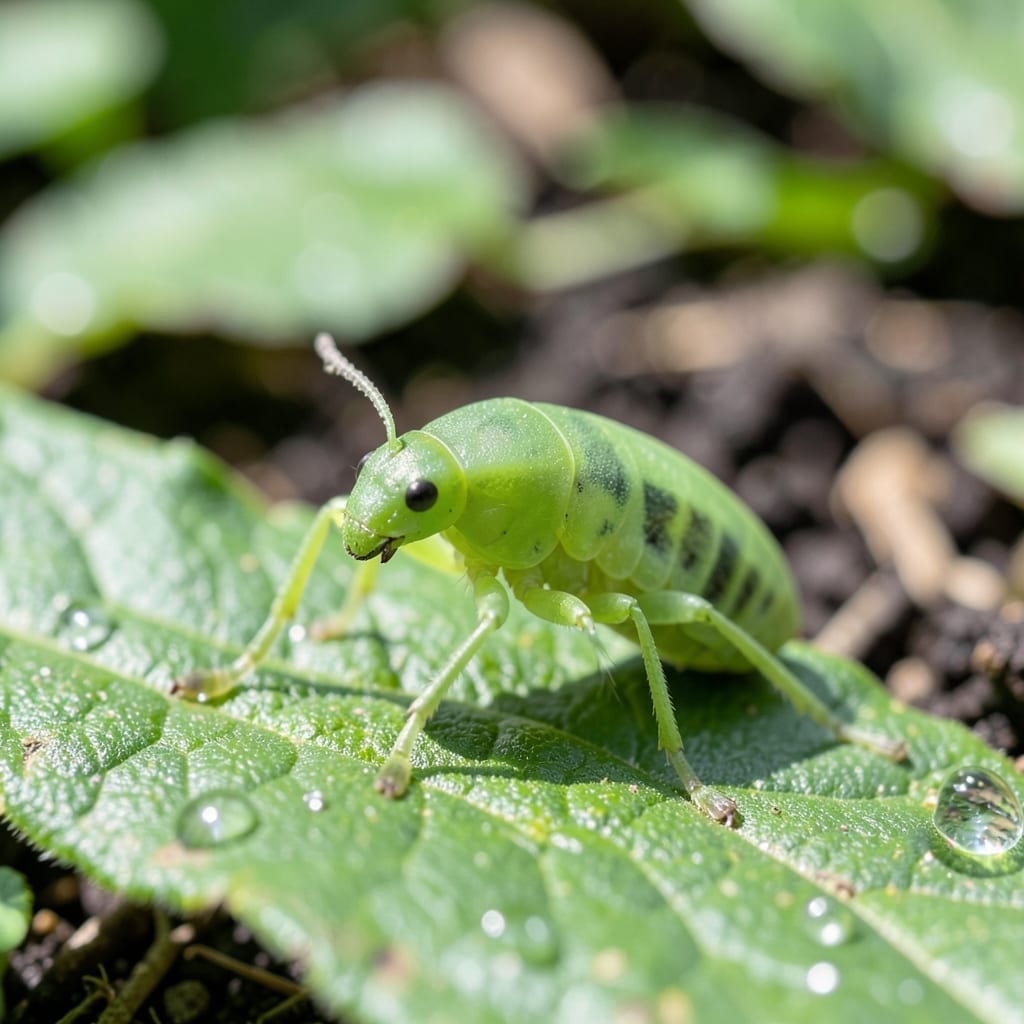
Tiny invaders can silently weaken your trees. I’ve seen healthy oaks and maples decline within one season from unchecked insect activity, but the right approach brings them back stronger.
The key is catching these pests early—look for chewed leaves, sticky residue, or unusual holes in bark. Most gardeners miss the first signs until damage becomes obvious, but I’ll show you what to watch for.
You’ll end up with thriving trees that resist future attacks. The methods work without harsh chemicals, protecting beneficial insects and soil health in the process.
Works for backyard ornamentals, fruit trees, and mature shade trees alike. Let’s reclaim your landscape.
Trees provide the perfect habitat for insects due to a combination of biological, ecological, and environmental factors. Understanding these causes can help you address infestations more effectively.
Insects thrive in trees because of the rich food supply. Leaves, sap, bark, and roots offer nutrients like sugars, proteins, and cellulose. For example, aphids feed on sap, while beetles consume leaves or wood. Decaying wood also attracts termites and wood-boring beetles, which break down dead organic matter.
Trees offer natural shelter from predators, harsh weather, and temperature extremes. Dense canopies, bark crevices, and hollow trunks create hiding spots for insects like ants, spiders, and bark beetles. This protection allows populations to grow rapidly, especially in undisturbed environments.
Many insects require specific humidity and temperature ranges to survive and reproduce. Trees provide a microclimate with consistent moisture levels, especially in shaded or densely foliaged areas. For instance, fungi-loving insects thrive in damp, rotting wood, while others prefer the warmth of sun-exposed bark.
Insects often target stressed or diseased trees because their defenses are weakened. Drought, nutrient deficiencies, or physical damage (e.g., broken branches) emit signals that attract pests like bark beetles. These insects exploit the tree’s vulnerability, accelerating its decline.
By addressing these root causes—such as improving tree health or removing decaying wood—you can reduce the likelihood of infestations naturally.
When tree-dwelling pests take hold, quick and targeted action can restore your tree’s health without harsh chemicals. Below are practical solutions tailored to common causes, along with prevention tips to keep them from returning.
For aphids, caterpillars, or beetles you can see, start with manual removal. Use a strong stream of water to blast them off leaves and branches—early morning works best to avoid scorching foliage. For stubborn clusters, wear gloves and pick them off by hand, dropping them into soapy water to prevent re-infestation. Prune heavily infested branches and dispose of them in sealed bags to stop the spread.
If pests like scale insects or mites are lurking, mix a DIY insecticidal soap (1 tbsp mild liquid soap + 1 quart water) and spray affected areas, focusing on undersides of leaves. Reapply every 4–7 days until gone. For borers, inject neem oil directly into entry holes with a syringe. 💡 Pro tip: Test sprays on a small area first to avoid damaging sensitive foliage.
Boost your tree’s defenses by attracting beneficial insects. Ladybugs, lacewings, and parasitic wasps feed on many tree pests. Plant dill, fennel, or yarrow nearby to draw them in. Avoid broad-spectrum pesticides, which can harm these allies.
Insects are drawn to trees for food like sap and leaves, plus shelter in bark crevices. Weak or stressed trees are especially vulnerable, emitting signals that pests exploit.
Blast them off with a strong water stream or handpick into soapy water. Prune infested branches and seal in bags to prevent spread.
Yes! A DIY insecticidal soap (1 tbsp soap + 1 quart water) works for mites and scale. For borers, inject neem oil into entry holes.
Inspect trees weekly, keep them healthy with water and fertilizer, and remove debris. Plant dill or yarrow to attract beneficial predators.