
Beautiful Plants For Your Interior
Beautiful Plants For Your Interior
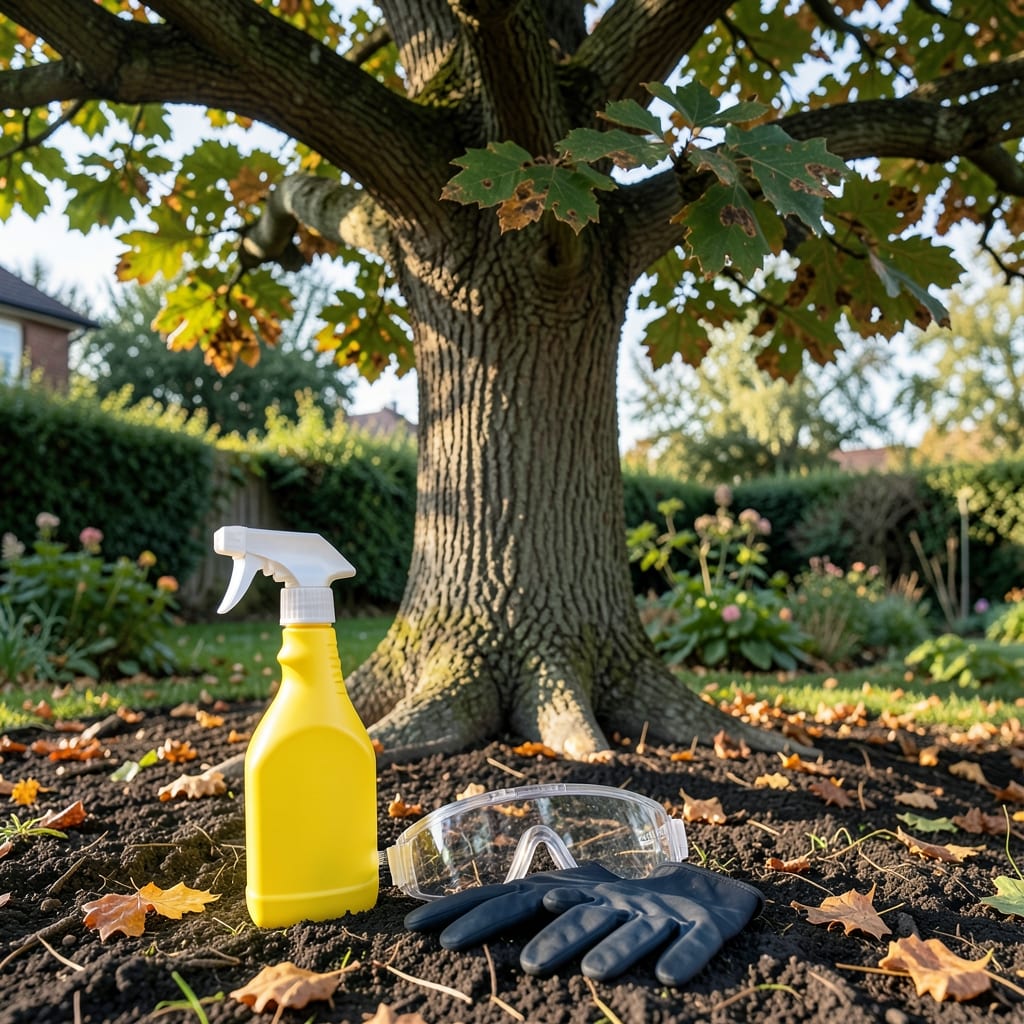
That white powder on your oak leaves isn’t frost. It’s a silent invader that can spread faster than you think, turning vibrant canopies into skeletal branches if left unchecked.
I discovered the hard way that store-bought chemicals often do more harm than good. The real solution? A targeted spray that protects without poisoning your soil or beneficial insects.
With the right blend and timing, you’ll stop the spread in 2-3 applications. The trees bounce back with healthier foliage and stronger resistance for next season.
Works for maples, pines, and fruit trees alike. Here’s how to mix, apply, and prevent it from coming back.
Fungal infections in trees often stem from a combination of environmental and biological factors. Understanding these causes can help you prevent and treat them effectively.
Fungi thrive in damp conditions. Overwatering, poor drainage, or prolonged rainy seasons create the perfect breeding ground. When tree bark stays wet for too long, spores can germinate and penetrate the outer layers, leading to infection. Action: Improve drainage and avoid overhead watering to keep foliage dry.
Trees weakened by drought, extreme temperatures, or soil compaction are more susceptible to fungal attacks. Stress reduces a tree’s natural defenses, making it easier for pathogens to take hold. Action: Maintain consistent watering and mulch to regulate soil temperature and moisture.
Dense canopies or crowded planting can trap humidity around leaves and branches, encouraging fungal growth. Pruning to open up the canopy allows for better airflow, reducing the risk. Action: Thin out branches to promote ventilation.
Without regular inspections or protective measures like tree fungus spray, minor infections can spread unchecked. Fungi often start as small spots or discoloration before becoming a larger problem. Action: Use natural fungicides as a preventative, especially during high-risk seasons.
Tackling tree fungus starts with identifying the issue and applying the right fixes. Here’s a practical guide to common causes and their solutions, along with tips to keep your trees healthy long-term.
Mix 1 tablespoon of baking soda, 1 teaspoon of dish soap, and 1 gallon of water. Spray affected leaves thoroughly, ensuring full coverage. Repeat every 7–10 days until the fungus clears. Prevention tip: 💡 Space plants for better airflow and avoid overhead watering to reduce humidity.
If roots are soggy or discolored, stop watering immediately. Amend the soil with compost or sand to boost drainage. For severe cases, trim affected roots and repot in fresh, well-draining soil. Prevention tip: 🌡️ Use pots with drainage holes and water only when the top inch of soil feels dry.
Dilute 2 tablespoons of neem oil in 1 gallon of water and spray on both sides of leaves. Focus on early signs—yellow or brown spots—to stop spread. Reapply after rain. Prevention tip: ✨ Remove fallen leaves promptly to eliminate fungal spores.
Cut away infected branches 6 inches below visible damage with sterilized pruners. Dispose of debris far from healthy trees. Disinfect tools with rubbing alcohol between cuts. Prevention tip: 🎯 Maintain tree vigor with balanced fertilization and regular inspections.
For persistent issues, consider commercial copper-based fungicides as a last resort, but always test on a small area first.
Apply every 7–10 days during active growth or after rain. For prevention, spray every 2–3 weeks. Consistency is key to stopping spores from spreading.
Most sprays work for maples, oaks, and fruit trees, but always test on a small area first. Some evergreens may need diluted solutions to avoid leaf burn.
Early morning or late evening is ideal. Avoid midday heat to prevent evaporation and leaf damage. Calm, dry weather ensures the spray sticks.
Natural sprays like neem oil or baking soda are low-risk. Still, spray only affected areas and avoid blooming periods to protect pollinators.