
Beautiful Plants For Your Interior
Beautiful Plants For Your Interior
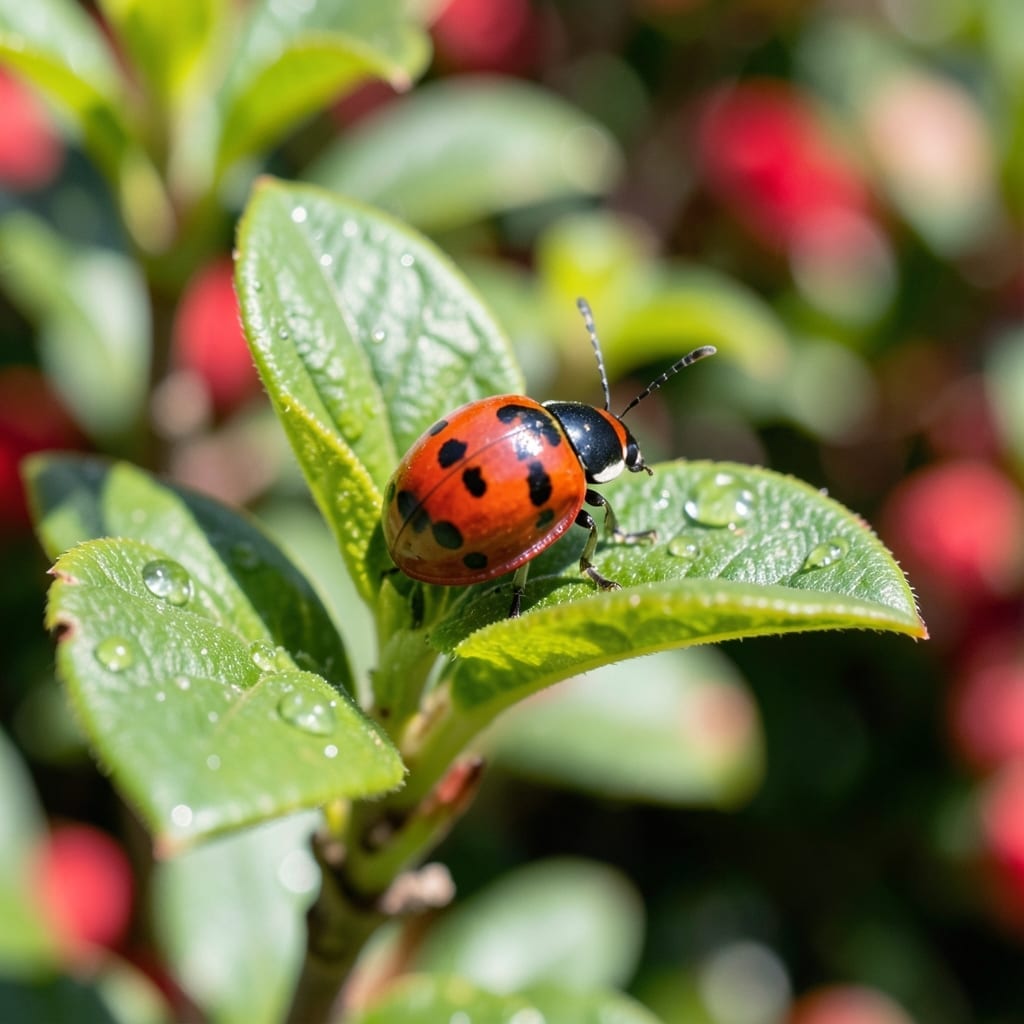
Burning bush aphids multiply faster than you can spot them. I lost half a season’s growth before figuring out the soapy water spray that stops them cold.
This isn’t just about blasting bugs—it’s about protecting new growth without harsh chemicals. A simple mix of dish soap and water disrupts their cell membranes, and they’re gone within 24 hours.
You’ll see leaves regaining their vibrant color within days. The plant recovers quickly, and the treatment won’t harm beneficial insects if applied carefully.
Works for light infestations and prevents future outbreaks. Here’s exactly how to mix and apply it.
Aphids thrive on Euonymus alatus (burning bush) due to a mix of environmental and plant-specific factors. Here’s why these pests show up in the first place:
Burning bushes fed with high-nitrogen fertilizers produce tender, sap-rich new growth—the perfect food source for aphids. These insects are drawn to the amino acids in fresh shoots, which are abundant when nitrogen levels spike. Action: Switch to a balanced, slow-release fertilizer to avoid overstimulating soft growth.
Both extremes weaken the plant’s defenses. Drought-stressed bushes struggle to produce natural repellent compounds, while overwatered roots reduce oxygen uptake, making the plant more susceptible to pests. Aphids exploit this vulnerability. Action: Maintain consistent moisture with well-draining soil.
Aphids multiply rapidly when their predators—like ladybugs, lacewings, or parasitic wasps—are absent. This often happens in monoculture landscapes (e.g., a yard with only burning bushes) or after broad-spectrum pesticide use. Action: Plant companion species (e.g., yarrow, dill) to attract beneficial insects.
Aphid eggs overwinter on burning bush stems and hatch when temperatures hit 50°F (10°C). Unseasonably warm winters or early springs trigger premature hatching, giving aphids a head start before predators emerge. Action: Monitor plants in late winter and apply horticultural oil to smother eggs before they hatch.
Dealing with aphids on your burning bush doesn’t have to be a battle. Here’s how to tackle the issue head-on with simple, effective solutions.
For small clusters of aphids, a homemade soapy water spray works wonders. Mix 1 teaspoon of mild liquid soap (like dish soap) with 1 quart of water in a spray bottle. Shake well and coat the affected leaves, stems, and undersides thoroughly. The soap breaks down the aphids’ protective coating, causing them to dehydrate. Reapply every 2-3 days until the aphids are gone.
If aphids have taken over, switch to neem oil, a natural insecticide. Mix 2 tablespoons of neem oil with 1 gallon of water and a few drops of dish soap to help it stick. Spray the entire plant, focusing on the undersides of leaves where aphids hide. Neem oil disrupts their life cycle, preventing future outbreaks. Use in the early morning or late evening to avoid harming beneficial insects like bees.
For persistent problems, commercial insecticidal soaps are a reliable option. Follow the label instructions carefully, as these are stronger than DIY solutions. Spray directly onto aphids, ensuring full coverage. Reapply as needed, but avoid overuse to prevent plant damage.
With these steps, your burning bush will be aphid-free in no time! 🌿
Reapply the soapy water mix every 2-3 days until aphids disappear. This frequency disrupts their life cycle and prevents repopulation. Always spray in the evening to avoid leaf burn from sun exposure.
Neem oil is safe when mixed correctly (2 tablespoons per gallon). Test on a small area first. Avoid applying in direct sunlight or extreme heat to prevent plant stress.
Yes! Encourage predators with companion plants like dill or yarrow. Use reflective mulch and maintain plant health with balanced watering. These methods create a natural defense system.