
Beautiful Plants For Your Interior
Beautiful Plants For Your Interior
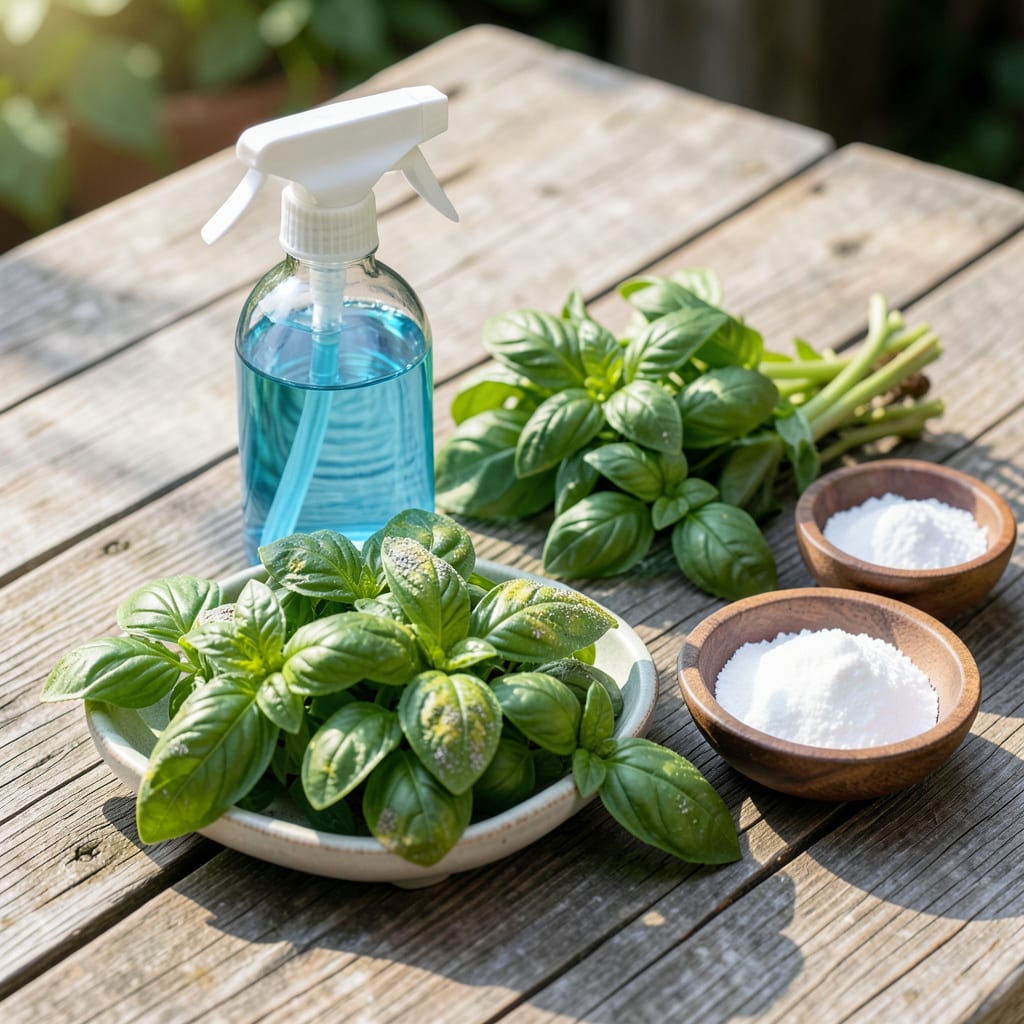
Yellowing leaves on my basil last summer sent me down a rabbit hole. Turns out, downy mildew was the culprit, and it spreads fast in humid conditions.
I learned that proper spacing and morning watering prevent most outbreaks. The spores thrive in wet foliage, so keeping leaves dry is half the battle.
Natural solutions like copper sprays or baking soda mixtures stopped the spread within days. My plants bounced back with vibrant green growth after treatment.
Works for potted basil too—just increase airflow and avoid overhead watering. Here’s how to save your plants.
Downy mildew on basil thrives under specific environmental and cultural conditions. Understanding these triggers helps you prevent and manage the disease effectively. Below are the primary causes, explained with actionable insights.
Downy mildew (Peronospora belbahrii) prospers in humid environments (above 85% relative humidity) and wet foliage. Prolonged leaf wetness—from rain, overhead watering, or poor air circulation—creates the perfect breeding ground. The pathogen’s spores germinate within hours when moisture is abundant, leading to yellowing leaves and fuzzy gray spores on the undersides.
While basil loves warmth, downy mildew favors cooler temperatures (60–75°F or 15–24°C). Nighttime temperature drops, especially in early spring or fall, accelerate spore production. If your basil is grown in a greenhouse or shaded area with temperature fluctuations, it’s at higher risk.
Dense plantings or stagnant air trap moisture around basil leaves, encouraging fungal growth. Overcrowding prevents proper evaporation, while lack of pruning reduces airflow. This is especially problematic in indoor setups or raised beds without spacing.
The pathogen can survive in infected soil or water sources, spreading via splashing water or contaminated tools. Reusing pots or soil from previously diseased plants without sterilization increases the chances of recurrence. Always use clean, well-draining soil and avoid overhead irrigation.
By addressing these factors—controlling moisture, improving airflow, and maintaining clean growing conditions—you can significantly reduce the risk of downy mildew on your basil.
Downy mildew on basil can be frustrating, but these practical solutions will help you restore your plants and keep them thriving. Address the issue as soon as you spot yellowing leaves or fuzzy gray growth.
Poor airflow traps moisture, creating the perfect environment for downy mildew. Thin out dense foliage by pruning crowded leaves, and space plants at least 12 inches apart. If growing indoors, use a small fan on low to keep air moving. This simple step can prevent spores from settling and spreading.
Overhead watering wets the leaves, encouraging fungal growth. Water at the base of the plant early in the day so foliage dries quickly. Drip irrigation or a soaker hose works best. Avoid watering in the evening, as cooler temperatures and lingering moisture create ideal conditions for downy mildew.
Prevention tip: 💡 Use a moisture meter to ensure soil stays consistently damp but not soggy—basil likes moisture but hates wet feet!
For active infections, treat basil with natural fungicides that won’t harm the plant or your health. Spray leaves with a mix of 1 tsp baking soda + 1 quart water + a drop of dish soap weekly until symptoms disappear. Neem oil (mixed per label instructions) is another effective option—apply in the early morning or late evening to avoid leaf burn.
Basil thrives in full sun (6+ hours daily). If your plants are shaded, relocate them to a sunnier spot. Well-draining soil prevents waterlogged roots, so amend heavy soil with compost or perlite. Prevention tip: ✨ Rotate crops yearly to avoid soil-borne fungal buildup.
By tackling the root causes—moisture, airflow, and poor growing conditions—you can stop downy mildew in its tracks and enjoy lush, healthy basil all season long.
It’s best to avoid eating infected leaves. While not toxic, the fungal growth can affect flavor and texture. Remove and discard affected foliage immediately to prevent spread.
For active infections, apply baking soda spray or neem oil every 5-7 days until symptoms clear. Prevention sprays can be used every 2-3 weeks during humid seasons.
Yes, it can spread to other basil plants and some related herbs. Isolate infected plants and avoid touching healthy foliage after handling infected leaves. Always disinfect tools between uses.
Use a clean towel to gently pat leaves dry after watering. For best results, water in the early morning so sunlight and airflow can dry foliage naturally within 2-3 hours.
