
Beautiful Plants For Your Interior
Beautiful Plants For Your Interior
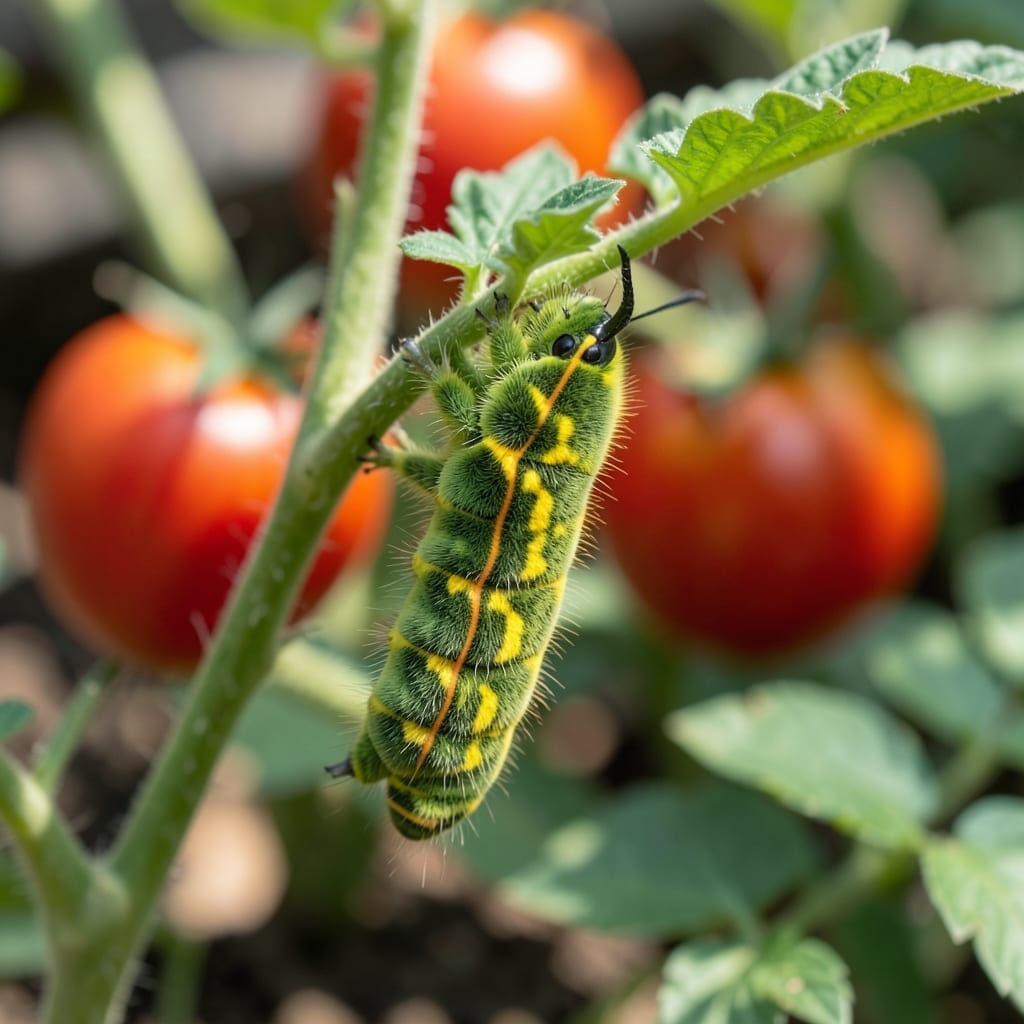
Spotted striped caterpillars munching your tomato leaves overnight? That’s the yellow striped armyworm at work. I first noticed them when entire sections of my plants vanished in days, leaving only bare stems.
These pests are sneaky—they hide under leaves during the day and feed at night, making them hard to catch early. Left unchecked, they’ll skeletonize foliage and even chew into fruit, stunting growth and reducing yields.
Here’s the thing—handpicking works surprisingly well if you’re vigilant. For larger infestations, organic sprays like Bt or neem oil target them without harming beneficial insects.
Prevention is simpler than you’d think: row covers, crop rotation, and removing plant debris after harvest break their life cycle. Let’s tackle this together.
The tomato yellow striped armyworm (Spodoptera ornithogalli) doesn’t appear out of thin air—it thrives under specific conditions. Understanding these triggers helps you prevent outbreaks before they start.
This pest favors dense, undisturbed vegetation. Weeds like pigweed and lambsquarter serve as alternate hosts, providing shelter and food for larvae. Poor field sanitation or neglected garden edges create ideal breeding grounds.
Yellow striped armyworms are most active in temperatures between 75–85°F (24–29°C) with high humidity. These conditions accelerate their life cycle, allowing multiple generations per season. Drought-stressed plants are especially vulnerable, as they emit signals that attract egg-laying females.
Planting tomatoes or other solanaceous crops in the same spot year after year depletes soil health and invites recurring infestations. Armyworm moths lay eggs in soil rich in previous host plant residues, ensuring larvae have immediate food upon hatching.
Overuse of broad-spectrum pesticides can eliminate beneficial insects like parasitic wasps and ground beetles, which naturally suppress armyworm populations. Without these predators, larvae multiply unchecked.
Dealing with tomato yellow striped armyworms requires a mix of immediate action and long-term prevention. Here’s how to tackle each cause with practical fixes.
If you spot armyworms on your tomato plants, manually remove them early in the morning or late afternoon when they’re most active. Drop them into soapy water to ensure they don’t return. Prevention tip: Inspect plants weekly to catch infestations before they spread. 💡
Encourage beneficial insects like parasitic wasps, ladybugs, and ground beetles, which feed on armyworm eggs and larvae. Plant companion flowers like marigolds or alyssum to attract these allies. Prevention tip: Avoid broad-spectrum pesticides that harm helpful bugs. ✨
For larger infestations, use organic insecticides like Bacillus thuringiensis (Bt) or neem oil. Spray in the evening for best results, as Bt breaks down in sunlight. Prevention tip: Rotate sprays to prevent resistance. 🎯
Armyworms overwinter in garden debris. Remove plant residue after harvest and rotate crops yearly to disrupt their life cycle. Prevention tip: Till the soil in fall to expose and kill pupae. 🌡️
Use floating row covers to physically block adult moths from laying eggs on plants. Secure edges tightly to prevent gaps. Prevention tip: Remove covers during flowering if pollination is needed. 🌟
Eggs are tiny, round, and pale green or white. They’re laid in clusters of 50-100 on the undersides of leaves.
They mature in 2-3 weeks under ideal conditions. Larvae start small but can reach 1.5 inches long before pupating.
No, they attack many crops including corn, beans, and peppers. They’re especially fond of solanaceous plants like potatoes and eggplants.
Yes—pupae can overwinter in soil. Fall tilling and crop rotation help break their life cycle.