
Beautiful Plants For Your Interior
Beautiful Plants For Your Interior
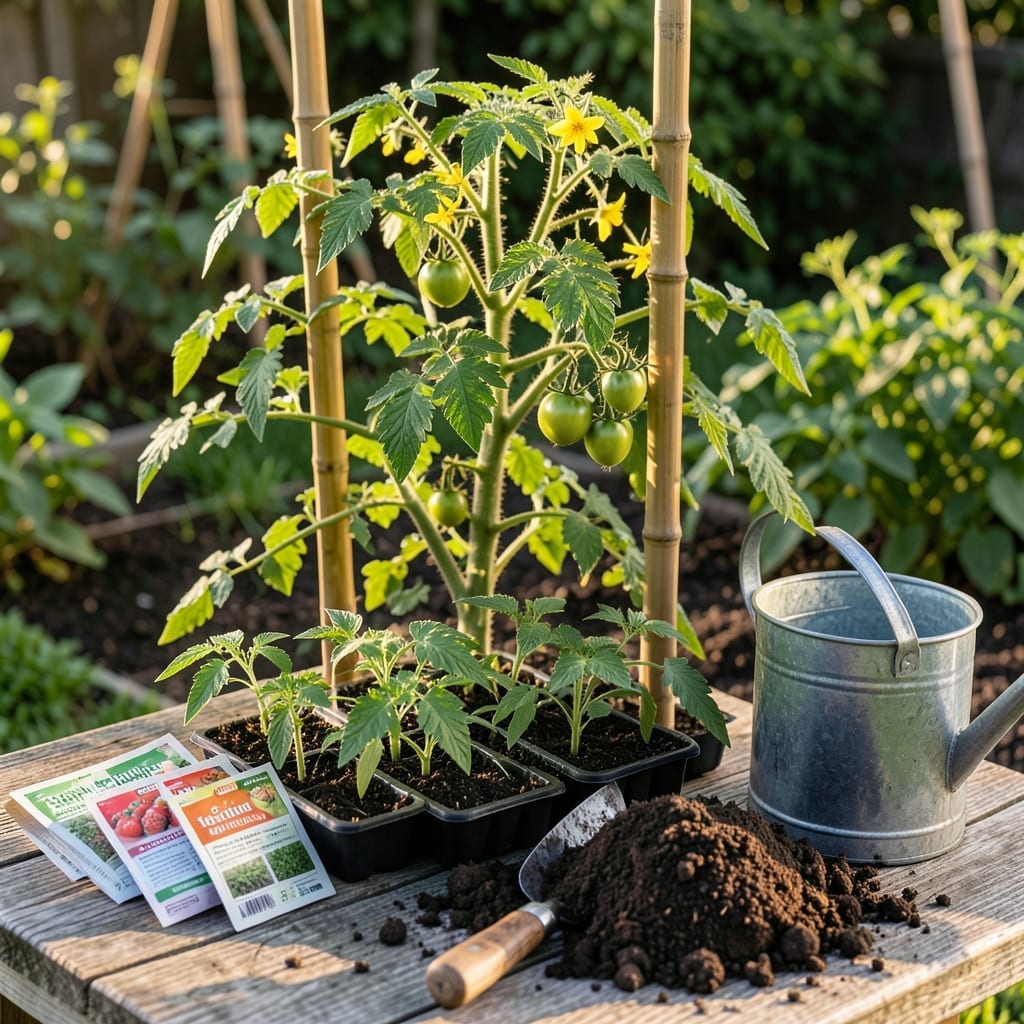
Nothing stings like planting tomato seeds and seeing zero sprouts. I’ve been there—staring at empty trays for 2 weeks wondering what went wrong.
The usual suspects are old seeds, wrong soil temperature, or overwatering. But here’s the thing—fixing these issues can have you seeing green in days, not weeks.
I switched to a heat mat and fresh seed-starting mix, and my germination rate jumped to 90%. The difference was immediate and undeniable.
No more wasted time or disappointing starts. Just reliable, fast results every season.
When your tomato seeds refuse to sprout, the issue often boils down to a few key environmental or procedural factors. Here’s a breakdown of the most common causes, backed by science:
Tomato seeds need consistent warmth (70–85°F / 21–29°C) to germinate. Below 50°F (10°C), metabolic processes slow or stop, while temperatures above 90°F (32°C) can denature enzymes critical for growth. Use a seedling heat mat if your growing area is too cool.
Too much water drowns seeds by depleting oxygen in the soil, while too little prevents activation of germination enzymes. Aim for moist but not soggy soil. A spray bottle helps maintain even moisture without waterlogging.
Old or improperly stored seeds lose viability. Tomato seeds typically last 2–5 years if kept cool and dry, but exposure to humidity or heat accelerates degradation. Always check the expiration date and source from reputable suppliers.
While tomatoes can germinate in darkness, weak light post-germination leads to leggy, weak seedlings. Plant seeds ¼ inch (0.6 cm) deep—too deep, and they’ll exhaust their energy reserves before reaching the surface.
Heavy, compacted, or nutrient-poor soil stifles root development. Use a sterile, well-draining seed-starting mix (not garden soil) to avoid pathogens and ensure proper aeration. pH should be 6.0–7.5 for optimal nutrient uptake.
Fungal infections (like damping-off) thrive in overly moist, crowded conditions. Sterilize trays and tools with 10% bleach solution, and avoid overcrowding seeds to improve airflow.
If your tomato seeds aren’t sprouting, don’t give up! Here’s how to troubleshoot and turn things around with practical fixes for the most common issues.
Tomato seeds need consistent warmth (70–80°F) to germinate. If your soil is chilly, use a seedling heat mat or place trays near a warm spot (like the top of the fridge). Avoid direct heat sources like radiators, which can dry out soil. Prevention tip: Use a thermometer to monitor soil temp before planting.
Soggy soil suffocates seeds, while dry soil halts growth. Keep the mix moist but not soaked—mist with a spray bottle instead of pouring water. Cover trays with plastic wrap to retain humidity until sprouts appear. Prevention tip: Poke drainage holes in containers and use a well-draining seed-starting mix.
Seeds older than 3–5 years lose viability. Test old seeds by soaking them in water—if they sink, they’re likely viable; if they float, replace them. Always buy from reputable suppliers and store seeds in a cool, dry place. Prevention tip: Label seeds with the purchase year and use the freshest stock first.
Seeds don’t need light to sprout, but seedlings require bright light (12–16 hours daily) immediately after emerging. Use a grow light or sunny windowsill. Leggy, pale sprouts signal insufficient light. Prevention tip: Set up lights 2–4 inches above trays and adjust height as plants grow.
Heavy soil prevents roots from breaking through. Use a light, sterile seed-starting mix (not garden soil). Press seeds gently into the surface—burying too deep (more than ¼ inch) can smother them. Prevention tip: Fluff the soil before planting and avoid packing it down.
Pro tip: 💡 If all else fails, try the “paper towel method”: Place seeds between damp paper towels in a sealed bag on a warm surface. Once roots appear (3–7 days), transplant carefully to soil.
Plant seeds no deeper than ¼ inch (0.6 cm). Any deeper and they may not have enough energy to push through the soil. Lightly press them into moist seed-starting mix for best results.
Seeds older than 3-5 years often lose viability. Test by soaking in water—if they sink, they’re likely good. Store seeds in a cool, dry place to extend their lifespan.
This usually means insufficient light after germination. Move them to a sunny windowsill or use a grow light for 12-16 hours daily. Keep lights close to prevent stretching.
Not always, but it helps maintain the ideal 70-80°F soil temperature. If your home is cooler, a heat mat can speed up germination from 10-14 days to 5-7 days.