
Beautiful Plants For Your Interior
Beautiful Plants For Your Interior
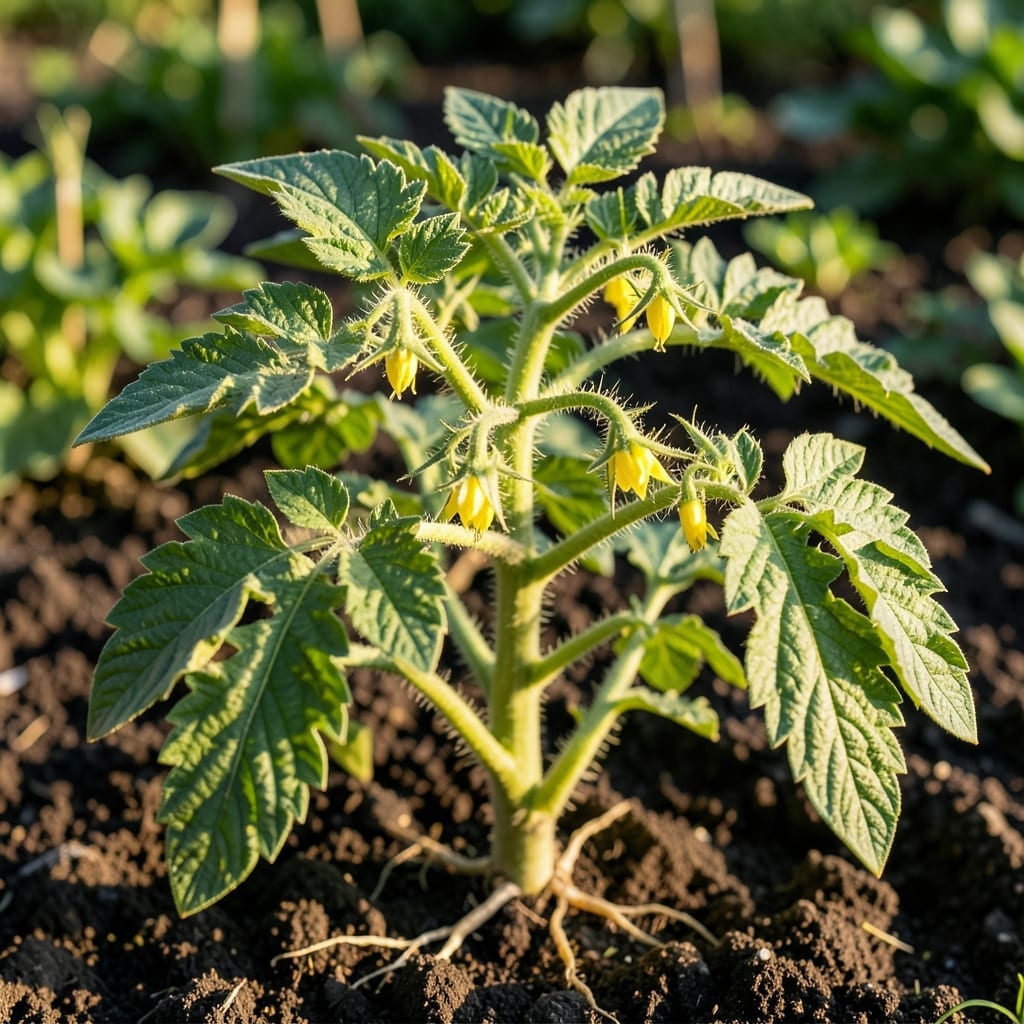
Nothing stings like watching healthy tomato plants refuse to produce. I’ve stood in my garden many times wondering why lush green vines with vibrant flowers weren’t setting any fruit.
The culprits are usually simple: wrong temperatures, poor pollination, or nutrient imbalances. Most gardeners overlook that tomatoes need nighttime temps above 55°F and daytime below 90°F to set fruit properly.
You’ll see improvement within 2-3 weeks of addressing the root cause. The plants often respond dramatically to small changes in care or environment.
Works for container gardens, raised beds, or in-ground plants. Here’s how to diagnose and fix the issue.
When your tomato plants refuse to bear fruit, several underlying issues could be to blame. Understanding these causes is the first step toward a bountiful harvest. Below are the most common reasons why your plants may be struggling.
Tomatoes thrive in temperatures between 70–85°F (21–29°C). If nighttime temperatures drop below 55°F (13°C) or daytime temperatures exceed 90°F (32°C), pollen becomes sterile, and flowers may drop without setting fruit. Use row covers in cool weather or shade cloth during heatwaves to stabilize conditions.
Fluctuations in soil moisture disrupt nutrient uptake and stress the plant. Overwatering can lead to root rot, while underwatering causes blossom drop. Maintain consistent moisture—water deeply 1–2 times per week, ensuring the top 1–2 inches of soil stay evenly damp. Drip irrigation is ideal for precision.
Tomatoes are self-pollinating, but they rely on wind or gentle shaking to transfer pollen. Indoor plants or still-air environments may need a manual assist. Gently shake the plant or use a small brush to transfer pollen between flowers during midday when pollen is most viable.
Too much nitrogen promotes lush foliage at the expense of fruit. A deficiency in phosphorus or potassium, however, can stall flowering and fruiting. Use a balanced fertilizer (e.g., 5-10-10 or 10-10-10) and supplement with compost. Test soil pH—tomatoes prefer a range of 6.0–6.8.
Plants spaced too closely compete for light and air, reducing fruiting potential. Ensure 18–24 inches between plants for determinate varieties and 24–36 inches for indeterminate types. Additionally, excessive pruning removes potential fruiting sites. Prune only suckers below the first flower cluster.
If your tomato plants are thriving but not producing fruit, don’t panic! Here’s how to solve the most common causes and get back on track for a bountiful harvest.
Excess nitrogen promotes leafy growth at the expense of fruit. Switch to a low-nitrogen, high-phosphorus fertilizer (like 5-10-5 or 10-20-10) to encourage blooming. Work it into the soil around the base of the plant.
Prevention: Use a balanced fertilizer early in the season, then transition to a bloom-boosting formula once flowers appear. 💡
Tomatoes struggle to set fruit when nighttime temps drop below 50°F (10°C) or daytime temps exceed 90°F (32°C). Use row covers for chill or shade cloth for heat. Potted plants can be moved to a more suitable spot.
Prevention: Plant heat-tolerant varieties (like ‘Heatmaster’) or cold-hardy types (like ‘Stupice’) if your climate swings wildly. 🌡️
Fluctuating moisture levels cause blossom drop. Water deeply 1–2 inches per week, avoiding wetting the leaves. A drip irrigation system or soaker hose ensures steady hydration.
Prevention: Mulch with straw or wood chips to retain moisture and reduce evaporation. 💧
If bees are scarce, gently shake the plants or use a small brush to transfer pollen between flowers. Plant pollinator-friendly flowers (like marigolds or basil) nearby to attract bees.
Prevention: Avoid pesticides that harm pollinators. ✨
Too many leaves or vines block airflow and sunlight, reducing fruit production. Prune suckers (shoots between the main stem and branches) and remove lower leaves to improve circulation.
Prevention: Space plants 18–24 inches apart (or farther for indeterminate varieties) at planting. 🎯
Most plants start setting fruit within 2-3 weeks of addressing the problem. Temperature and pollination fixes often show the fastest response.
Potted tomatoes are especially sensitive to temperature swings and inconsistent watering. Ensure containers have good drainage and are sized appropriately.
Use a low-nitrogen, high-phosphorus formula like 5-10-10 or 10-20-10. This encourages blooming and fruit development instead of leafy growth.
Yes! Gently shake the plant or use a small brush to transfer pollen between flowers. Do this during midday when pollen is most viable.