
Beautiful Plants For Your Interior
Beautiful Plants For Your Interior
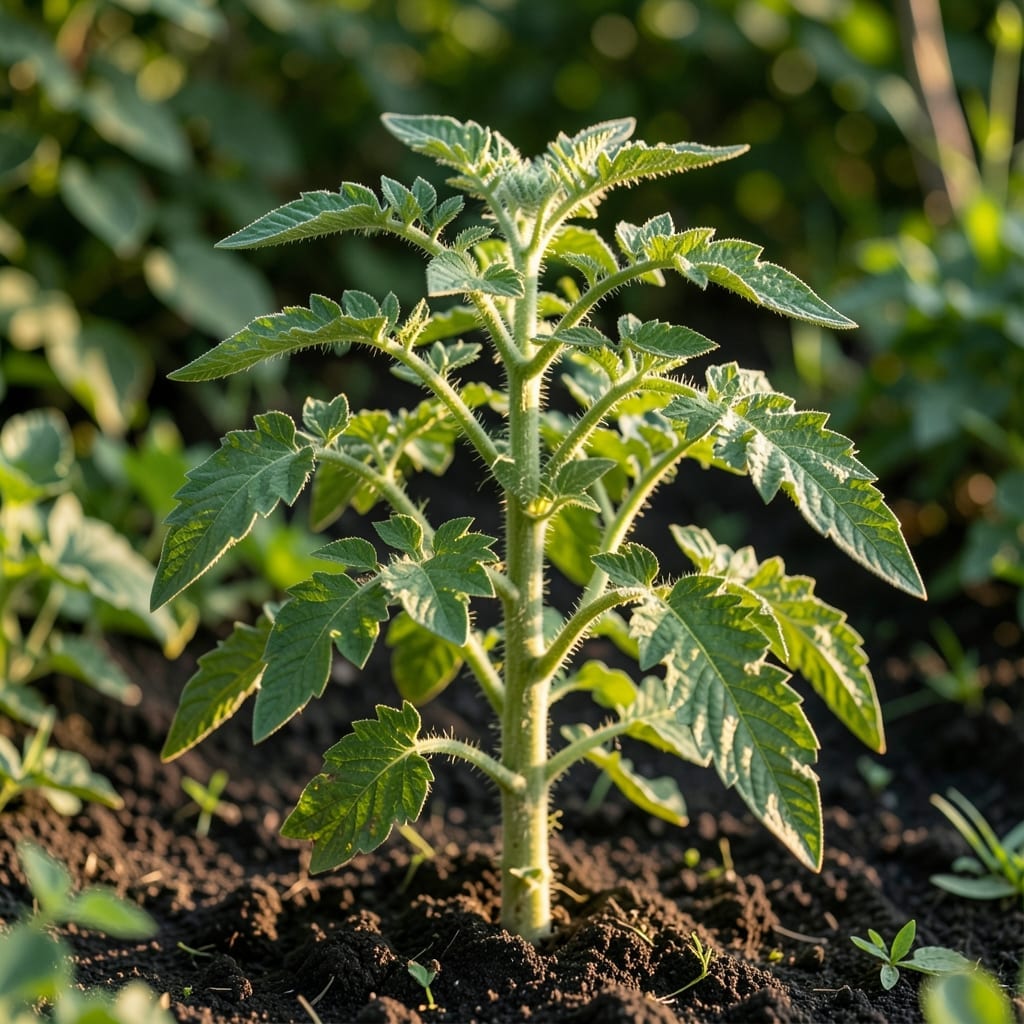
My tomato plants sat green and leafy for weeks with zero flowers. Turns out, they were getting too much love—overwatering and excess nitrogen were the culprits.
Most flowering failures come down to three things: wrong nutrients, inconsistent water, or not enough light. Fix these and you’ll see buds forming within 7-10 days.
I switched to a balanced fertilizer, let the soil dry between waterings, and moved pots to full sun. The difference was shocking—vines loaded with blossoms overnight.
Prevention is simpler than you think. Test your soil, stick to a schedule, and watch your plants like a hawk. They’ll tell you what they need.
Several key factors can prevent tomato plants from flowering. Below are the most common causes, explained scientifically for clarity and actionability.
Tomatoes require a balanced diet of nitrogen (N), phosphorus (P), and potassium (K). Too much nitrogen promotes lush foliage at the expense of flowers. Phosphorus is critical for flower initiation and fruit development. A soil test can reveal deficiencies—use a fertilizer with a higher middle number (e.g., 5-10-5) to encourage blooming.
Tomatoes thrive in temperatures between 70–85°F (21–29°C) during the day and 55–70°F (13–21°C) at night. Heat above 90°F (32°C) or cold below 50°F (10°C) can halt flower production. Use shade cloth in extreme heat or row covers in cool weather to stabilize conditions.
Tomatoes need 6–8 hours of direct sunlight daily. Shade from buildings, trees, or improper spacing reduces photosynthesis, limiting energy for flowering. Prune nearby obstructions or relocate plants to sunnier spots. For container gardening, ensure full-sun exposure.
Inconsistent watering—either overwatering or drought stress—disrupts nutrient uptake and hormonal balance. Tomatoes prefer 1–2 inches of water per week, applied at the base to avoid fungal issues. Mulch helps retain moisture and regulate soil temperature.
Removing too many leaves or suckers can reduce the plant’s ability to photosynthesize effectively, delaying flowering. Focus on pruning only lower leaves (to prevent disease) and excessive suckers (non-fruiting shoots) while leaving enough foliage for energy production.
Here’s how to fix each common issue and get your tomato plants blooming again.
Switch to a low-nitrogen, high-phosphorus fertilizer (like 5-10-10) to encourage flowering. Work in compost or well-rotted manure for a nutrient boost. Prevention tip 💡: Test soil before planting and use balanced fertilizer from the start.
Tomatoes need 6–8 hours of direct sun daily. Move potted plants to sunnier spots or trim nearby shade-casting branches. Prevention tip ✨: Plan garden layout to prioritize sun exposure for tomatoes.
Let the soil dry slightly between waterings. Water deeply but less frequently (1–2 inches per week). Use mulch to retain moisture. Prevention tip 🎯: Stick your finger 2 inches into soil—if dry, it’s time to water.
If nights are too cold (below 55°F) or days too hot (above 90°F), use row covers for warmth or shade cloth for cooling. Prevention tip 🌡️: Plant heat-tolerant varieties if you live in a hot climate.
For container plants, upgrade to a larger pot. In gardens, loosen compacted soil and mix in organic matter. Prevention tip 💡: Start with well-draining, nutrient-rich soil to avoid root stress.
Remove affected leaves and apply neem oil or insecticidal soap for pests. For diseases, improve airflow and avoid overhead watering. Prevention tip ✨: Rotate crops yearly to prevent soil-borne issues.
With proper adjustments, you’ll typically see flower buds forming within 7-10 days. Consistency with water, nutrients, and light is key to faster results.
Avoid plain garden soil—it compacts in containers and drains poorly. Use a well-draining potting mix with compost for best results.
Choose a fertilizer with a higher middle number like 5-10-5 or 10-20-10. The extra phosphorus boosts flower and fruit production.
Excess nitrogen causes leafy, tall growth at the expense of flowers. Switch to a low-nitrogen fertilizer and reduce watering frequency.