
Beautiful Plants For Your Interior
Beautiful Plants For Your Interior
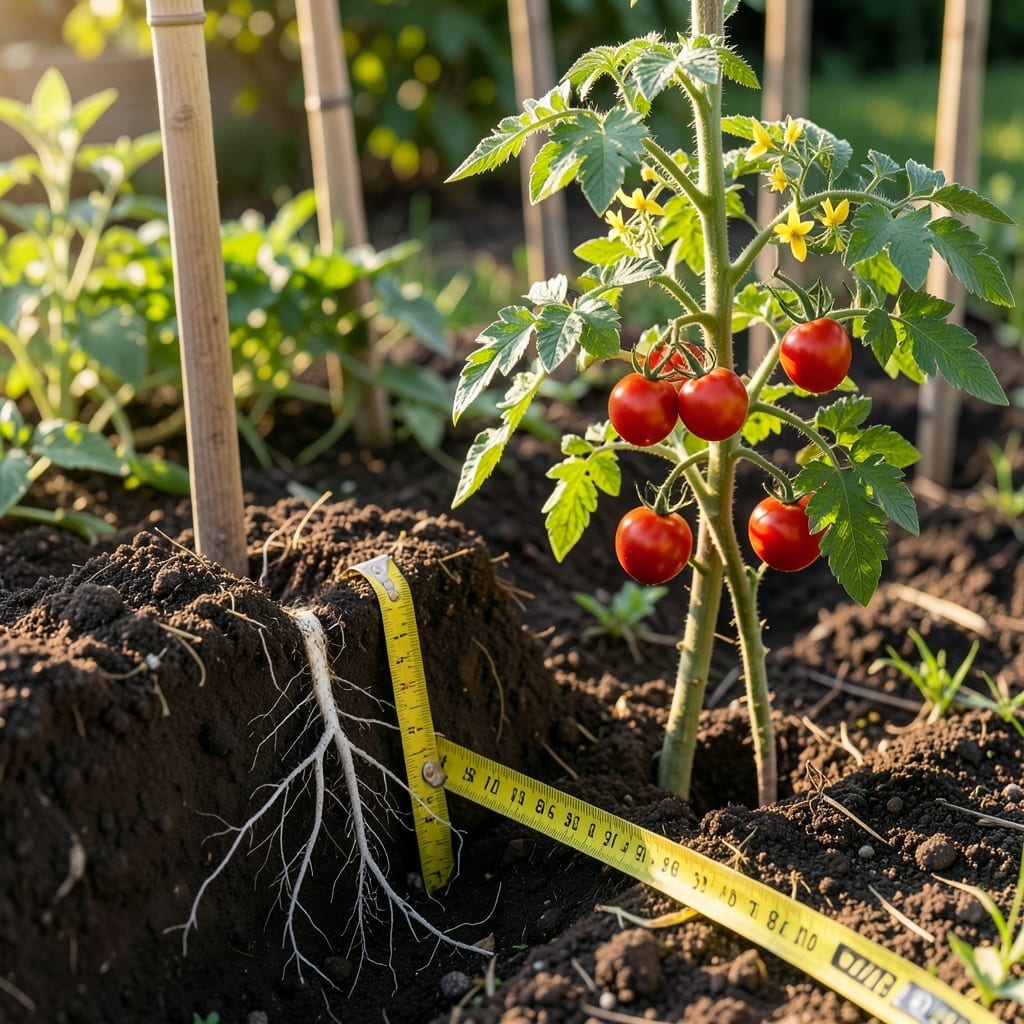
Ever wondered how deep your Tomato roots really go? It’s not just idle curiosity – knowing this can transform how you care for your plants.
I’ve seen gardeners struggle with weak plants because they didn’t understand their root systems. With Tomato plants, getting the depth right affects everything from watering to fertilizing.
Let me walk you through what you need to know about these underground networks. The insights might surprise you and definitely will help your garden thrive.

If you’ve ever dug around a tomato plant, you know roots don’t stay shallow. Most varieties develop an extensive network that can surprise even experienced gardeners. I’ve measured 12-18 inches deep for standard plants in good soil.
But depth varies significantly by type and environment. Indeterminate tomatoes tend to root deeper than determinate ones, while container-grown plants are more restricted. Let me break down the specifics for you.
| Tomato Type | Average Root Depth | Key Factors |
|---|---|---|
| Indeterminate | 18-24 inches | Deep soil, proper spacing |
| Determinate | 12-18 inches | Compact growth habit |
| Container-Grown | 8-12 inches | Pot depth limits growth |
| Drought Conditions | 24+ inches | Searches for moisture |
The table shows how root depth changes dramatically based on conditions. In ideal garden soil, indeterminate varieties can push roots 2 feet down or more. This explains why they’re more drought-tolerant once established.
For container gardening, I always recommend pots at least 18 inches deep. Shallow containers force roots to stay near the surface, making plants more vulnerable to temperature swings and moisture stress.
Soil type matters too. Sandy soils encourage deeper root growth as plants chase nutrients, while clay can restrict development. I’ve seen roots grow 30% deeper in loose, well-draining soil versus compacted ground.
Remember that root spread can be just as important as depth. A mature tomato plant’s roots may extend 2-3 feet outward from the stem. This is why proper spacing is crucial – crowded roots can’t access enough water or nutrients.
In my experience, mulching helps encourage deeper root growth by keeping surface soil moist. Without mulch, roots tend to stay shallow to access moisture, making plants less stable during wind or heavy fruit production.
For best results, water deeply but infrequently. This trains roots to grow downward rather than staying near the surface. I use a drip irrigation system to deliver water slowly at the base of plants.
One final tip: if you’re transplanting, plant deeper than the seedling was in its pot. Tomatoes can develop roots along the buried stem, creating a stronger foundation for your plant.
Understanding root depth changes how you care for tomatoes. Deep roots mean less frequent watering but more water per session. I’ve seen gardeners overwater shallow roots, leading to rot and poor growth.
For optimal growth, water should reach the entire root zone. With deep roots, surface watering won’t cut it. You need to ensure moisture penetrates 12-24 inches down depending on your variety.
💡 Pro Tip: Deep watering encourages deeper root growth. Use a moisture meter to check soil at 12-inch depth before watering again.
Fertilizer placement is equally important. Surface applications won’t reach deep roots. I recommend side-dressing or using slow-release granules worked into the top 6-8 inches of soil.
For container tomatoes, remember their limited root depth means they need more frequent fertilizing. I feed my potted plants every 2-3 weeks during growing season with a balanced liquid fertilizer.
Root depth also affects disease prevention. Deep roots can access cleaner water below surface contaminants. This is why raised beds with deep soil often produce healthier plants with fewer issues.
In my garden, I’ve found that mulching helps maintain consistent moisture at deeper levels. A 3-4 inch layer of organic mulch keeps roots happy and reduces water evaporation by up to 30%. 🌱