
Beautiful Plants For Your Interior
Beautiful Plants For Your Interior
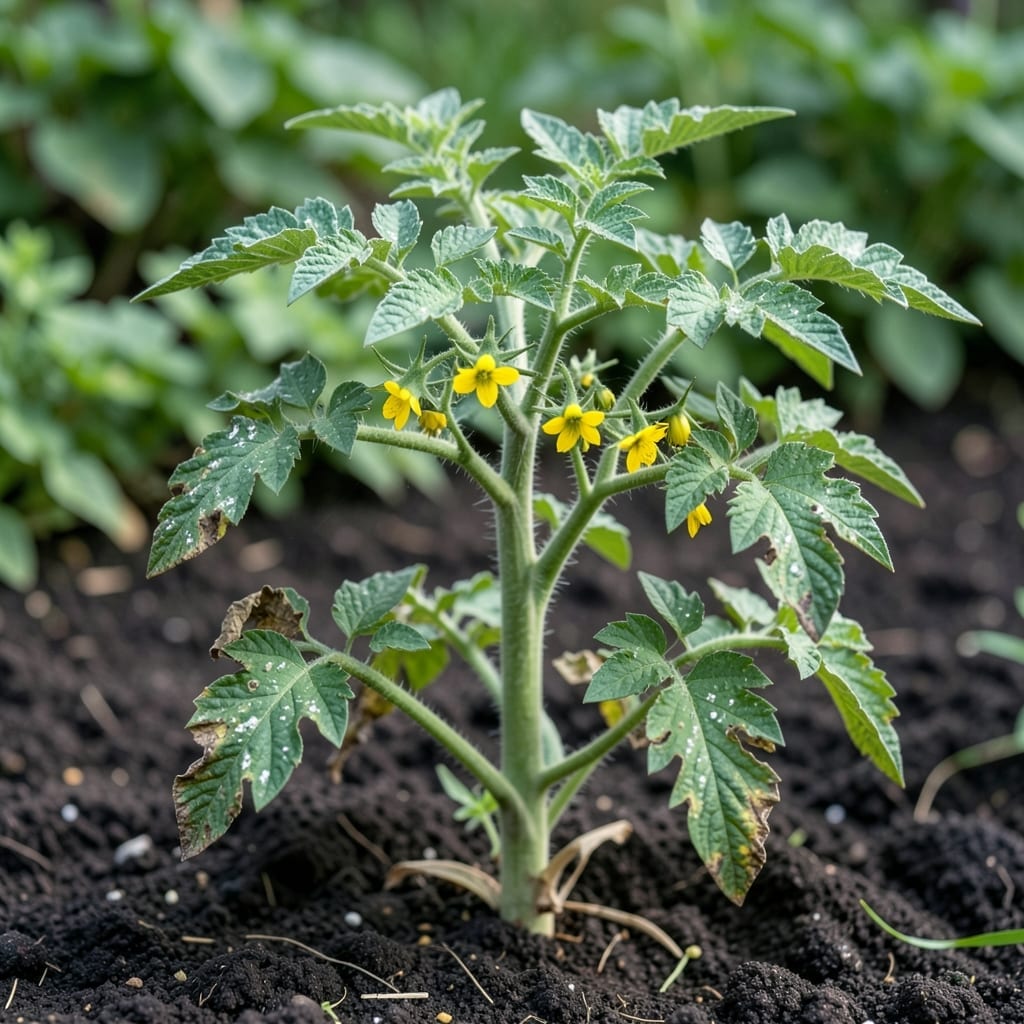
White leaves on your tomatoes mean trouble, but it’s fixable. I’ve seen this exact issue in my garden, and the cause is usually one of three things: nutrient deficiency, sunburn, or pests.
The most common culprit is a lack of magnesium or iron—both essential for healthy foliage. Sunburn can also bleach leaves, especially after a sudden heatwave. And don’t overlook pests like whiteflies, which leave behind a sticky residue that turns leaves pale.
Once you pinpoint the problem, solutions are straightforward. A foliar spray of Epsom salt fixes magnesium issues fast. Shade cloth helps with sunburn, and insecticidal soap takes care of pests.
Catch it early, and your plants will bounce back in 1-2 weeks. The key is acting before the damage spreads to newer growth.
Tomato plant leaves turning white can signal several underlying issues, each with distinct triggers. Below are the most common causes, explained with actionable insights.
A lack of magnesium or iron often causes chlorosis, where leaves lose their green pigment. Magnesium deficiency typically starts in older leaves, turning them pale yellow or white between veins. Iron deficiency, however, affects younger leaves first, leading to a stark white appearance. Test soil pH—magnesium uptake is hindered in acidic soils (pH < 6.0), while iron becomes unavailable in alkaline soils (pH > 7.5).
Excessive sunlight or sudden temperature spikes can bleach leaves, especially in young seedlings or transplanted tomatoes. Leaves exposed to intense UV rays without acclimation may develop white or translucent patches. Shade cloth (30-50%) can mitigate this, as can gradual hardening off before transplanting.
Powdery mildew (Oidium neolycopersici) and downy mildew (Pseudoperonospora) can create white, powdery coatings or yellow-white lesions on leaves. These thrive in humid conditions (70-90% RH) and poor air circulation. Prevent with copper-based fungicides or neem oil, and prune dense foliage to improve airflow.
Soggy soil suffocates roots, reducing their ability to absorb nutrients like nitrogen and magnesium. This often mimics nutrient deficiencies, with leaves turning white or yellow. Ensure pots have drainage holes and use well-draining soil mixes (e.g., 60% loam, 30% compost, 10% perlite).
Whiteflies and spider mites suck sap from leaves, causing stippling or white discoloration. Check leaf undersides for tiny insects or webbing. Treat with insecticidal soap or introduce predatory insects like ladybugs.
If your tomato plant’s leaves are turning white, act fast with these targeted fixes. Each solution matches a common cause, so you can address the root issue and restore your plant’s health.
Move potted tomatoes to a shadier spot or use shade cloth to protect in-ground plants during peak sun (10 AM–4 PM). Water deeply in the early morning to help plants recover. Prevention tip: 💡 Harden off seedlings gradually before transplanting to full sun.
Remove affected leaves and dispose of them (don’t compost). Spray remaining foliage with a mix of 1 tsp baking soda + 1 quart water + a drop of dish soap. Improve airflow by pruning dense areas. Prevention tip: 🌬️ Space plants 2–3 feet apart and avoid overhead watering.
Blast pests off with a strong stream of water, then apply neem oil or insecticidal soap. Repeat every 3–4 days until gone. Prevention tip: ✨ Introduce beneficial insects like ladybugs or use reflective mulch to deter pests.
For magnesium, dissolve 1 tbsp Epsom salt in a gallon of water and spray on leaves. For iron, use a chelated iron foliar spray. Test soil pH—tomatoes prefer 6.0–6.8. Prevention tip: 🌱 Amend soil with compost before planting and fertilize with a balanced formula.
Flush the soil with water to dilute excess chemicals. Stop fertilizing until the plant recovers. Prevention tip: 🎯 Always follow label instructions and fertilize lightly but regularly.
With proper care, new growth should appear healthy within 1-2 weeks. Older damaged leaves may not recover fully, but the plant will focus energy on fresh foliage. Consistency in treatment is key for full restoration.
Severely damaged leaves usually won’t regain their green color. However, addressing the root cause prevents new leaves from turning white. Focus on maintaining plant health moving forward.
If caused by pests or fungal infections, yes—it can spread. Isolate affected plants and treat immediately. For sunburn or nutrient issues, other plants aren’t at risk unless they share the same conditions.