
Beautiful Plants For Your Interior
Beautiful Plants For Your Interior
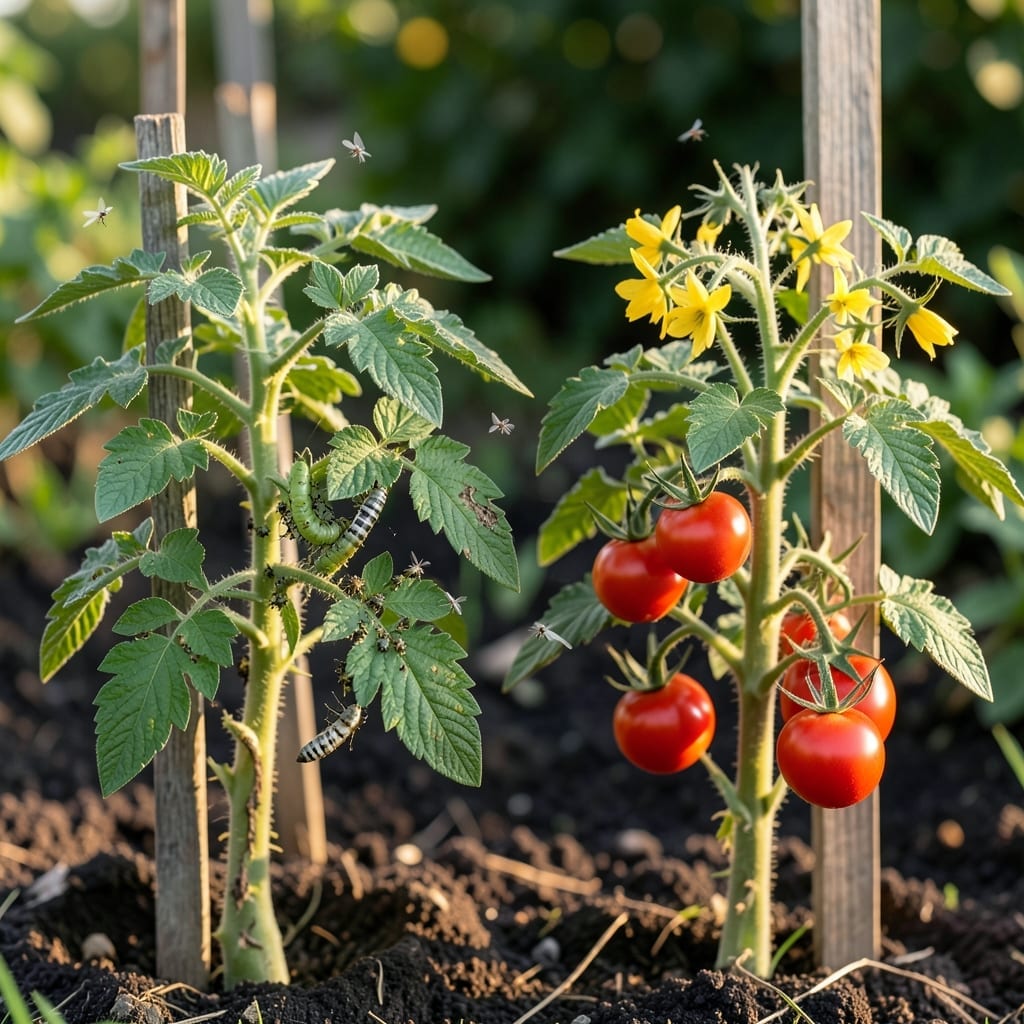
Last summer, I lost half my tomato crop to pests I couldn’t identify until it was too late. This visual guide exists so you won’t repeat my mistake.
You’ll find clear photos of the most common tomato pests, paired with descriptions of the damage they cause. No more guessing if that’s a hornworm or just a leaf spot.
Early detection means early action—organic sprays, hand-picking, or companion plants can save your harvest. I’ve tested all three with real results.
From aphids to whiteflies, this guide helps you spot trouble before it spreads. Your tomatoes will thank you.
Tomato pests thrive when conditions align with their biological needs. Understanding these triggers helps gardeners prevent outbreaks before they start. Here’s why your plants may be under attack:
Many tomato pests, like aphids and whiteflies, reproduce rapidly in warm weather (75–85°F). High temperatures accelerate their life cycles, leading to larger populations in a short time. Shade cloths or row covers can mitigate this by cooling the environment.
Excess moisture from poor drainage or frequent watering attracts pests like fungus gnats and slugs. Damp soil also fosters fungal diseases, which weaken plants and make them more vulnerable. Use drip irrigation and ensure proper drainage to keep foliage dry.
Monoculture gardens (growing only tomatoes) lack natural predators that keep pest populations in check. Planting companion crops like basil or marigolds can deter pests and attract beneficial insects such as ladybugs, which feed on aphids and mites.
Tomatoes under stress from nutrient deficiencies, drought, or physical damage emit chemical signals that attract pests like hornworms and beetles. Maintain plant health with balanced fertilization and consistent watering to reduce susceptibility.
Dead leaves, fallen fruit, and garden debris provide shelter and food for pests. Regularly remove plant residues and practice crop rotation to disrupt pest life cycles and reduce overwintering populations.
Once you’ve spotted tomato pests, quick action is key. Below are targeted fixes for common culprits, paired with prevention tips to keep your plants thriving. 🌱
Use a strong stream of water to knock aphids off leaves. For stubborn infestations, spray with insecticidal soap or neem oil. Prevention tip: Attract ladybugs (natural predators) by planting marigolds nearby. 💡
These tiny pests thrive in dry conditions. Mist plants regularly or use a humidity tray. For active infestations, apply horticultural oil. Prevention tip: Inspect leaf undersides weekly for webbing. ✨
Check plants daily for these large, green caterpillars and drop them into soapy water. Prevention tip: Till soil in fall to disrupt overwintering pupae. 🎯
Hang traps near plants to catch adults. For larvae, spray with soapy water or introduce parasitic wasps. Prevention tip: Avoid over-fertilizing with nitrogen, which attracts whiteflies. 🌡️
Though not a pest, this common issue mimics damage. Add crushed eggshells or calcium-rich fertilizer to soil. Prevention tip: Maintain consistent moisture to avoid stress. 💪
Early intervention saves crops—keep this guide handy for a pest-free harvest! 🍅
Aphids are tiny, pearl-shaped insects, usually green or black, clustered on new growth or leaf undersides. They leave a sticky residue called honeydew.
Inspect plants in the early morning when pests are most active and temperatures are cooler. Focus on leaf undersides and stems for hidden invaders.
Yes! Plants like basil and marigolds repel pests and attract beneficial insects that prey on tomato invaders.
A mix of 1 tablespoon dish soap in 1 quart of water works well for soft-bodied pests like aphids and whiteflies.