
Beautiful Plants For Your Interior
Beautiful Plants For Your Interior
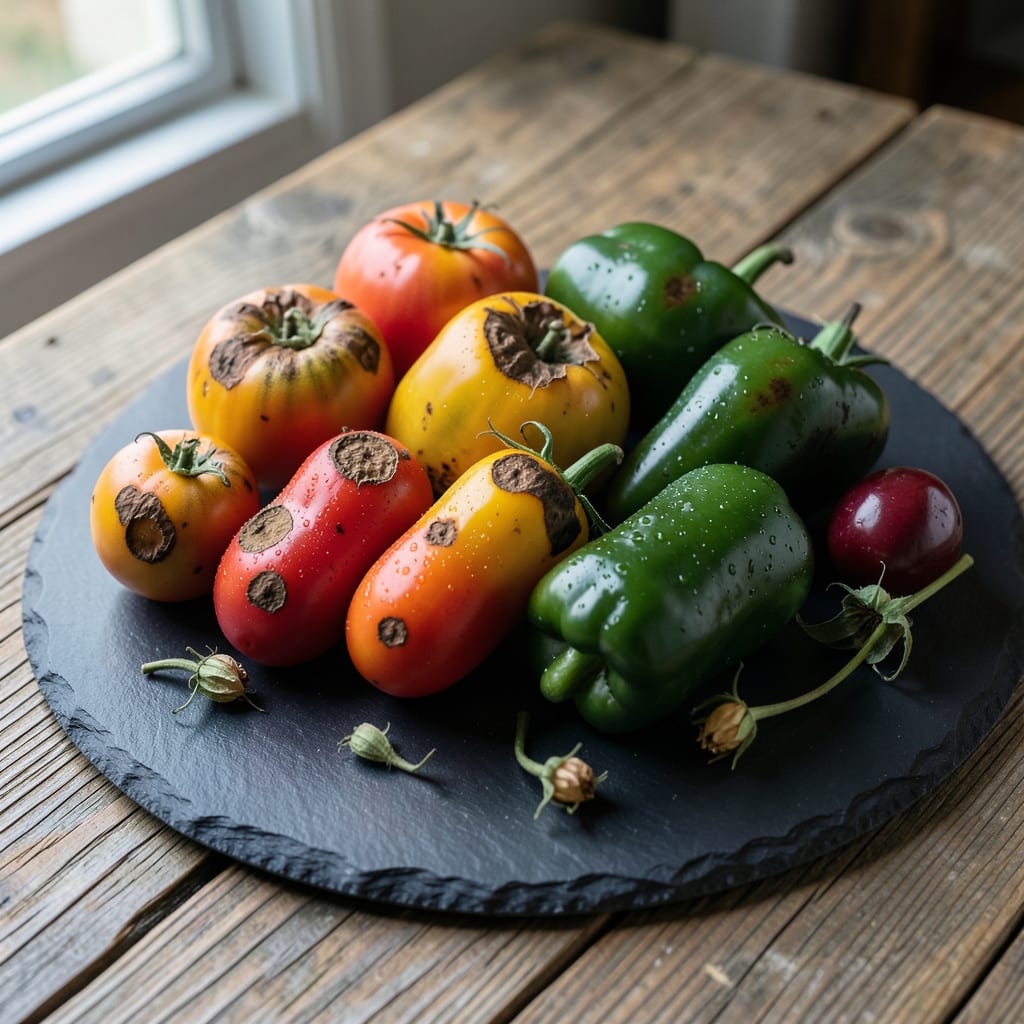
Nothing kills the excitement of your first ripe tomato like discovering that ugly black patch on the bottom. I’ve lost entire harvests to blossom end rot before figuring out the calcium connection.
The problem isn’t just about calcium being missing—it’s often about the plant not being able to access what’s already in your soil. Inconsistent watering, root damage, or even too much nitrogen can block uptake.
Fix it with crushed eggshells, lime, or a calcium spray, but the real solution starts with steady moisture and healthy soil. Your plants will thank you with perfect fruit in 2-3 weeks.
Works for both tomatoes and peppers, and prevents the issue next season too.
Blossom end rot in tomatoes and peppers is primarily triggered by calcium deficiency in the developing fruit, but the root causes go beyond just a lack of this nutrient. Here’s a breakdown of the key factors:
The most direct cause is insufficient calcium in the soil or an inability of the plant to absorb it. Even if calcium is present, fluctuating soil moisture (too wet or too dry) can disrupt uptake. Sandy or acidic soils (pH below 6.0) often lack bioavailable calcium, making it harder for roots to access.
Uneven watering—drought stress followed by overwatering—creates calcium transport issues. Plants absorb calcium through water, so dry spells halt uptake, while sudden saturation can leach calcium away from the root zone. Mulching helps stabilize moisture levels.
Fast-growing plants (especially during heatwaves or after heavy fertilization with nitrogen) may outpace their calcium supply. The fruit’s demand for calcium surges during cell division, and if the plant can’t keep up, necrotic spots form at the blossom end.
High heat (above 85°F/29°C) or cold snaps can slow root activity, reducing calcium absorption. Heat also increases transpiration, pulling calcium away from fruits to the leaves. Shade cloth or row covers can mitigate temperature stress.
Addressing these causes—through soil testing, consistent irrigation, and balanced fertilization—can prevent future outbreaks.
Blossom end rot in tomatoes and peppers is fixable with the right approach. Below are targeted solutions for each common cause, plus prevention tips to keep your plants healthy.
Fix: Apply a calcium-rich amendment like crushed eggshells, gypsum, or lime to the soil. For a quick boost, use a foliar calcium spray (e.g., calcium nitrate or chloride) on leaves—avoid spraying during peak sun. Water plants deeply afterward to help absorption.
Prevention: Test soil pH (ideal: 6.0–6.8) and amend if too acidic. Work compost or bonemeal into the soil before planting.
Fix: Switch to drip irrigation or soaker hoses to maintain even moisture. Water deeply 1–2 times per week (more in heatwaves) to prevent soil fluctuations. Mulch with straw or wood chips to retain moisture.
Prevention: Avoid overhead watering, which can stress plants and wash away calcium. Stick to a consistent schedule—use a rain gauge or moisture meter if unsure.
Fix: Shield plants from extreme heat with shade cloth (30–40% coverage) during scorching afternoons. For cold snaps, use row covers. Trim affected fruit to redirect energy to healthy growth.
Prevention: Plant in well-draining soil and space plants properly for airflow. Avoid over-fertilizing with nitrogen, which can block calcium uptake.
Fix: Stop high-nitrogen fertilizers temporarily and switch to a balanced, calcium-included formula (e.g., 10-10-10 with micronutrients). Flush the soil with water to remove excess salts.
Prevention: Use organic fertilizers (like fish emulsion) sparingly and always pair with a soil test. Rotate crops yearly to prevent depletion.
💡 Pro Tip: Remove rotted fruit immediately to prevent fungal spread. Consistent care is key—calcium must be available when fruits form, not just after symptoms appear!
New fruit should show improvement within 7-14 days after addressing the calcium issue. Existing affected fruit won’t heal, but new growth will be healthy. Consistency in watering and soil amendments is key.
Yes! Crush eggshells into a fine powder and work them into the soil. They dissolve slowly, providing a steady calcium supply. For immediate needs, a foliar spray works faster.
It targets fruits forming during calcium shortages or stress periods. Early fruits often escape it, while later ones may show symptoms if conditions fluctuate. Uneven watering is a common culprit.
No, it’s not contagious. Each plant’s issue stems from its own calcium access. However, if multiple plants show it, your soil likely needs amending. Test pH and adjust as needed.
