
Beautiful Plants For Your Interior
Beautiful Plants For Your Interior
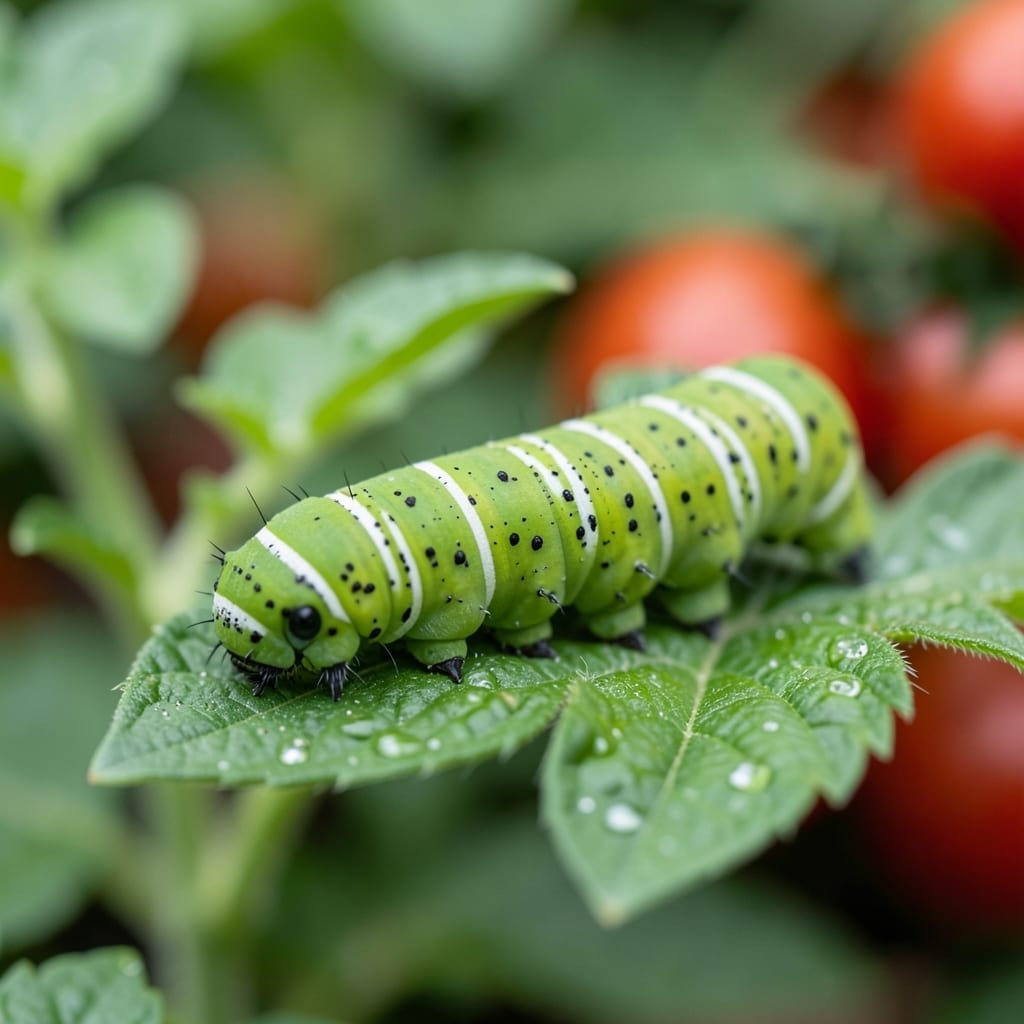
I found my first tomato hornworm last summer and panicked. 🌱 These green caterpillars look intimidating, but they’re not poisonous to humans—just devastating to your plants if left unchecked.
They strip tomato leaves and fruit overnight, turning a thriving garden into a skeleton. The good news? They’re easy to spot once you know what to look for, and they move slowly, giving you time to act.
You can remove them by hand (wear gloves if you’re squeamish) or use organic sprays. I’ve had great success with neem oil and introducing beneficial wasps that target these pests naturally.
Prevention is simpler than you think: rotate crops, till soil in fall, and inspect plants weekly. Your tomatoes will thank you.
The toxicity of tomato caterpillars (often Manduca sexta, or tobacco hornworms) stems from their diet and biological adaptations. These larvae consume nightshade plants like tomatoes, which contain toxic alkaloids. Here’s why they can be harmful:
Tomato plants produce solanine and tomatine, natural defenses against herbivores. When caterpillars feed on leaves and fruit, they sequester these compounds in their bodies. While they’re largely unaffected, these alkaloids can cause nausea, vomiting, or neurological issues if ingested by humans or pets.
Caterpillars use toxicity as a survival tactic. Their bright coloration (in some species) signals predators to stay away. The toxins deter birds and mammals, but accidental ingestion—especially by curious pets or children—can lead to poisoning. Always wear gloves when handling them to avoid skin irritation.
If tomato plants are treated with chemical pesticides, caterpillars may absorb these residues. Consuming contaminated larvae could amplify toxicity risks. Opt for organic pest control (e.g., neem oil or hand-picking) to minimize chemical exposure.
Actionable tip: Remove caterpillars promptly to protect your harvest and reduce poisoning hazards. 💡
Dealing with potentially poisonous tomato caterpillars requires prompt and practical action. Below are targeted solutions for common scenarios, paired with prevention tips to keep your garden safe.
Inspect your tomato plants daily, especially the undersides of leaves. Wear gloves and remove caterpillars by hand, dropping them into a bucket of soapy water. For larger infestations, use neem oil or insecticidal soap to deter them naturally. Prevention tip: Encourage natural predators like birds, ladybugs, or parasitic wasps by planting companion flowers such as marigolds or dill. 💡
If you notice chewed leaves or stems, prune affected areas immediately to prevent further spread. Apply floating row covers to shield plants from adult moths laying eggs. Prevention tip: Rotate crops annually to disrupt the caterpillar life cycle and avoid reinfestation. ✨
Some tomato caterpillars, like the tomato hornworm, can cause skin irritation. If you’ve touched them, wash your hands with soap and water right away. Avoid crushing them bare-handed, as their fluids may be irritating. Prevention tip: Wear long sleeves and gloves while gardening to minimize contact. 🎯
Caterpillars often pupate in the soil. Till your garden bed at the end of the growing season to expose and disrupt pupae. Prevention tip: Solarize soil before planting by covering it with clear plastic for 4-6 weeks to kill eggs and larvae. 🌡️
By combining these immediate fixes with long-term prevention, you can protect your tomato plants and enjoy a thriving, caterpillar-free garden.
Most tomato caterpillars won’t harm you if touched, but some may cause mild skin irritation. Always wear gloves when handling them to be safe. Wash hands immediately after contact.
Pets may experience vomiting or diarrhea if they eat a tomato caterpillar. The alkaloids from tomato plants can be toxic. Contact your vet if you notice concerning symptoms.
Tomato hornworms have a distinctive horn on their rear and white diagonal stripes. They’re also much larger than most garden caterpillars, growing up to 4 inches long.
Chemical pesticides work but may leave residues. For organic gardens, try neem oil or introduce natural predators like parasitic wasps. Always follow label instructions carefully.