
Beautiful Plants For Your Interior
Beautiful Plants For Your Interior
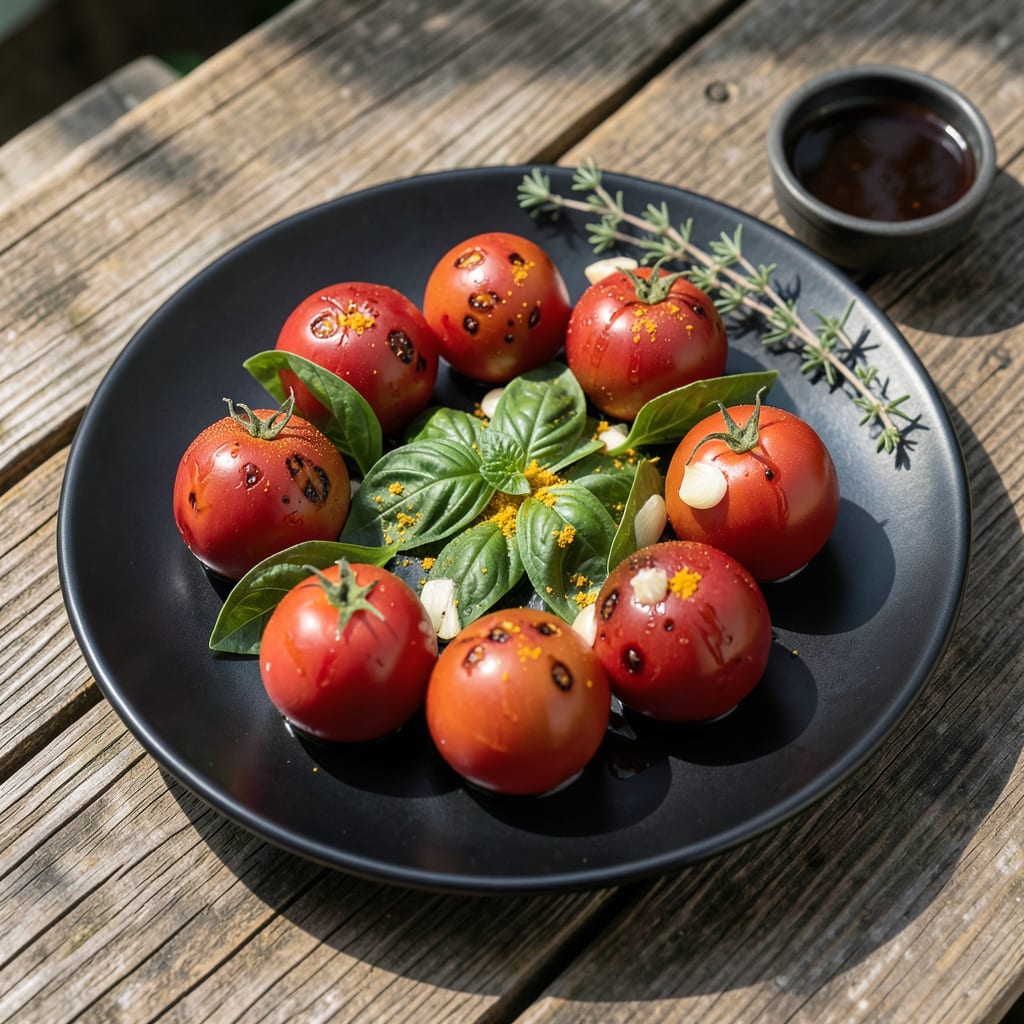
Black spots ruining your tomato harvest? I’ve been there—watching healthy plants turn into a spotted mess overnight. It’s frustrating, but the good news is this issue is fixable.
This common problem often starts with excess moisture on leaves, then spreads fast. The key is early action with simple, natural solutions that restore plant vigor without harsh chemicals.
With the right approach, you’ll see new growth returning to its vibrant green within 1-2 weeks. Your tomatoes can bounce back stronger than before.
Works for all tomato varieties, whether in gardens or containers. Here’s how to turn things around.
Tomato black spots are often a sign of underlying issues affecting your plants. Understanding the causes helps you address the problem effectively. Below are the most common culprits behind this frustrating garden problem.
Fungal pathogens like Alternaria solani (early blight) and Septoria lycopersici (Septoria leaf spot) thrive in warm, humid conditions. These fungi produce spores that spread through water splashes, infected soil, or contaminated tools. The spores germinate on wet foliage, leading to dark, concentric spots on leaves, stems, and fruit. Poor air circulation and overhead watering exacerbate the issue.
Watering from above leaves foliage wet for extended periods, creating an ideal environment for fungal spores to take hold. High humidity (above 85%) and poor ventilation in greenhouses or densely planted beds further encourage fungal growth. Tomatoes need consistent moisture at the roots, not on their leaves.
A lack of essential nutrients, particularly calcium and potassium, can weaken plant cell walls, making tomatoes more susceptible to infections and physiological disorders like blossom end rot. Calcium deficiency often manifests as dark, sunken spots on the fruit’s blossom end, while potassium deficiency causes yellowing leaf edges with black spots.
Insects like aphids, whiteflies, and stink bugs pierce plant tissues to feed, creating entry points for pathogens. Their feeding can also introduce toxins that cause localized necrosis (dead tissue), appearing as black spots. Additionally, pest infestations stress the plant, reducing its ability to fend off diseases.
Extreme temperature fluctuations, prolonged drought, or excessive rainfall can stress tomato plants, compromising their immune systems. Heat stress may cause sunscald, leading to white or black patches on fruit exposed to intense sunlight. Conversely, cold snaps can slow growth and increase vulnerability to infections.
Dealing with black spots on your tomatoes? Here’s how to tackle the most common causes with practical, easy-to-follow fixes—and keep your plants thriving.
If the spots are circular with a dark center, remove infected leaves immediately to prevent spreading. Apply a copper-based fungicide or a DIY mix of 1 tsp baking soda + 1 quart water + a few drops of dish soap. Spray weekly or after rain.
Prevention tip: 💡 Improve airflow by pruning dense foliage and watering at the base to keep leaves dry.
Yellowing leaves with black spots often signal root stress. Let the soil dry slightly between waterings, and ensure pots have drainage holes. For garden beds, mix in compost or sand to improve drainage.
Prevention tip: 🎯 Use a moisture meter to avoid overwatering—tomatoes prefer consistent but not soggy soil.
Tiny black spots with holes? Inspect for aphids or flea beetles. Blast pests off with water or apply neem oil (mix 2 tbsp oil + 1 tsp mild soap + 1 quart water). Repeat every 5–7 days.
Prevention tip: ✨ Encourage natural predators like ladybugs by planting marigolds or basil nearby.
Blotchy black patches may result from sunscald or temperature swings. Provide afternoon shade with row covers and maintain even moisture. Mulch with straw to regulate soil temperature.
Prevention tip: 🌡️ Avoid overhead watering in peak sun to prevent leaf burn.
Act fast, stay consistent, and your tomatoes will bounce back stronger! 🌱
With proper treatment, you should see new growth within 1-2 weeks. Remove infected leaves immediately to speed up recovery. Consistency with spraying or watering adjustments is key.
Only if the spots are superficial. Discard any fruit with sunken, moldy, or soft black areas. Wash thoroughly and inspect carefully before consuming. When in doubt, throw it out.
Water at the base, not the leaves, and space plants 2-3 feet apart. Use mulch to prevent soil splashing onto foliage. These simple steps reduce fungal risks significantly.
