
Beautiful Plants For Your Interior
Beautiful Plants For Your Interior
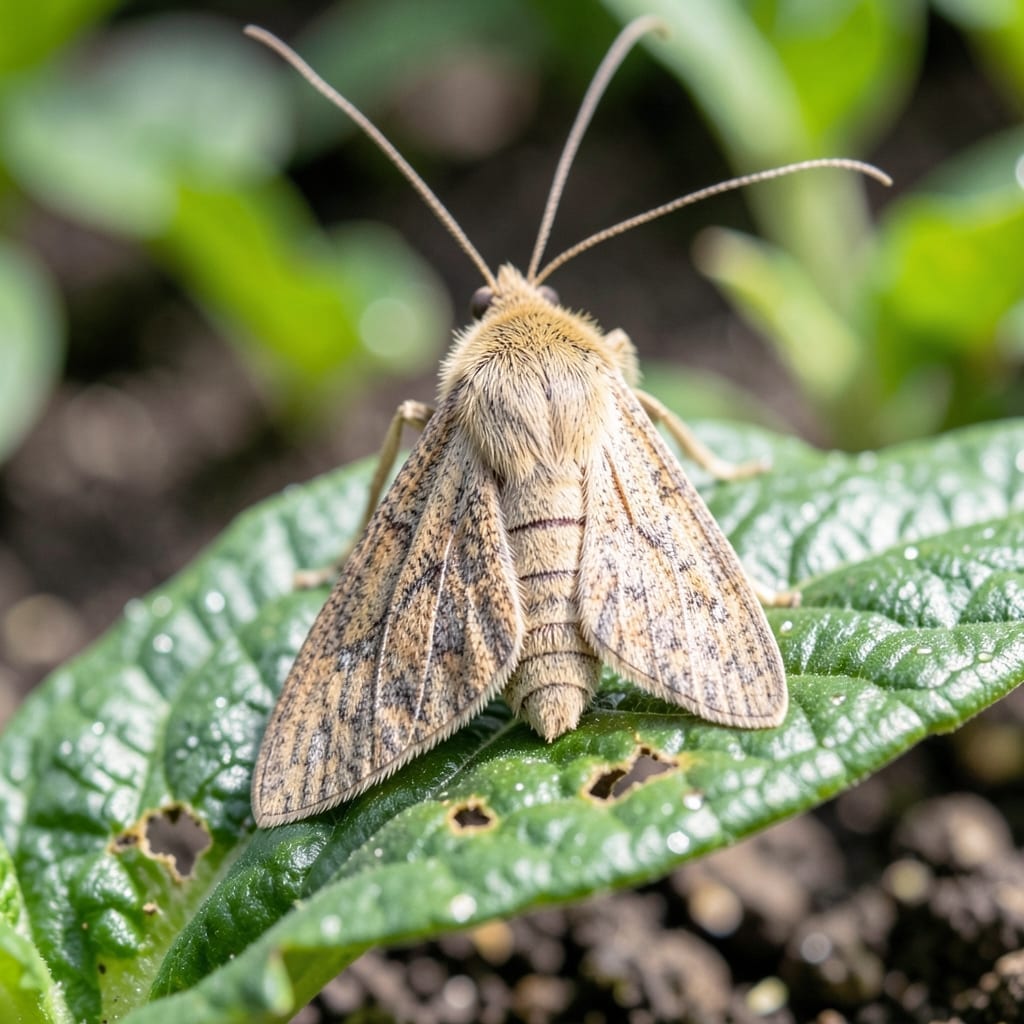
That massive green caterpillar on your tomato plant? It starts as an elegant moth you might miss entirely. I spotted my first one hovering near dusk—wingspan near 4 inches, with those unmistakable orange spots on a gray body.
This is the adult stage of the notorious tobacco hornworm, laying eggs that hatch into the leaf-munching monsters that can strip a plant overnight. The transformation from moth to caterpillar to moth again happens in 30-50 days, depending on temperatures.
Catching them early is key. The moths are most active at dawn and dusk, which is when you’ll see them fluttering near your nightshades. Their coloring blends perfectly with tree bark, making them tricky to spot until you know what to look for.
Identification is your first defense. Once you recognize the moth, you can break the cycle before it decimates your garden.
The tobacco hornworm moth (Manduca sexta) often invades gardens due to a few key biological and environmental triggers. Understanding these causes helps prevent or manage their presence effectively.
Tobacco hornworm moths are naturally drawn to plants in the Solanaceae family, such as tomatoes, peppers, and tobacco. These plants release volatile organic compounds (VOCs) that signal ideal feeding and egg-laying opportunities. Female moths can detect these scents from miles away, leading them to lay eggs on host plants.
These moths thrive in warm, temperate climates. Regions with long growing seasons and mild winters allow multiple generations to develop annually. Higher temperatures accelerate their life cycle, increasing the likelihood of infestations in gardens with susceptible plants.
When natural predators like parasitic wasps, birds, or ground beetles are absent, tobacco hornworm moth populations can grow unchecked. Overuse of broad-spectrum pesticides often eliminates these beneficial predators, creating an environment where moths and their larvae flourish.
Gardens with dense plantings of a single host species (e.g., rows of tomatoes) provide an abundant food source for tobacco hornworm moths. This monoculture approach reduces biodiversity, making it easier for moths to locate and infest plants.
Dealing with tobacco hornworm moths in your garden can be frustrating, but these practical solutions will help you identify, remove, and prevent infestations effectively. Below are targeted fixes for common issues, along with prevention tips to keep your plants safe.
If you spot large green caterpillars (hornworms) on your plants, the simplest solution is to handpick them off. Drop them into a bucket of soapy water to ensure they don’t return. Check plants daily, especially the undersides of leaves, as these pests blend in well.
Encourage beneficial insects like parasitic wasps, ladybugs, and lacewings, which feed on hornworm eggs and larvae. Plant dill, fennel, or yarrow to attract these helpers. For an extra boost, purchase parasitic wasp eggs from garden centers and release them near affected plants.
Pro tip 💡: Avoid broad-spectrum pesticides, as they can harm these helpful predators.
For severe infestations, use neem oil or Bacillus thuringiensis (Bt) sprays. These are organic, non-toxic to humans, and highly effective against young larvae. Spray in the early morning or late evening for best results, and reapply after rain.
Pro tip ✨: Plant basil or marigolds near susceptible crops like tomatoes—they act as natural deterrents!
They have a 4-inch wingspan with grayish-brown forewings featuring orange spots. Their hindwings are lighter with subtle markings. The body is stout and blends well with tree bark.
These moths are crepuscular, meaning they’re most active at dawn and dusk. You’ll often spot them fluttering near tomato or pepper plants during these times.
Look for the unique orange spots on their forewings and their large size. They also have a rapid, hummingbird-like flight pattern when hovering near plants.
No, they target all plants in the nightshade family, including tomatoes, peppers, and eggplants. Their larvae (hornworms) are particularly destructive to these crops.