
Beautiful Plants For Your Interior
Beautiful Plants For Your Interior
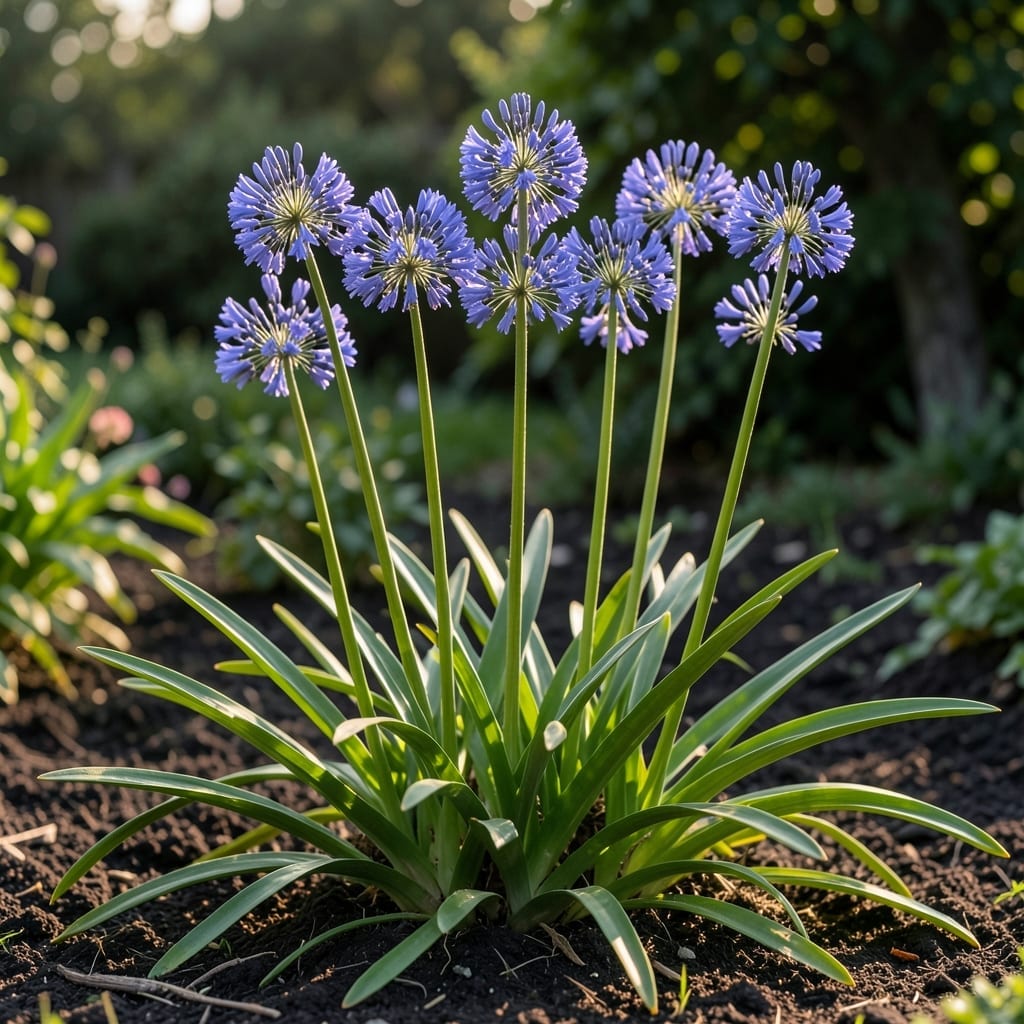
Brown tips on your agapanthus are trying to tell you something. I ignored mine for too long and lost half a season of blooms.
Usually it’s water stress—either too much or too little. But salt buildup from tap water, fluoride sensitivity, or even hungry roots in crowded pots can cause the same damage.
Fix the issue and you’ll see new green growth within 2-3 weeks. The plants bounce back fast once conditions improve.
Prevention is simpler than you think: consistent moisture, occasional flushing, and the right pot size keep those tips vibrant all summer.
Lilies of the Nile (Agapanthus) are hardy perennials, but their leaf tips can turn brown due to a few common environmental and cultural stressors. Here’s why it happens:
Inconsistent moisture levels are a primary culprit. Too little water causes the leaf tips to dry out and brown, while overwatering can lead to root rot, which restricts nutrient uptake and manifests as browning. Agapanthus prefers well-draining soil with regular but moderate watering—aim for 1–1.5 inches of water per week, adjusting for rainfall.
Native to South Africa, these plants thrive in humidity. Dry air, especially in indoor settings or arid climates, pulls moisture from the leaves faster than the roots can replenish it. Similarly, temperatures above 90°F (32°C) can scorch the tips. Grouping plants together or using a humidifier can help mitigate this.
Excess salts from fertilizers, tap water, or soil amendments can accumulate at the leaf tips, causing marginal necrosis (browning). This is often seen in potted plants where salts aren’t flushed out by rain. Use distilled or rainwater for irrigation, and leach the soil every few months to remove salt buildup.
A deficiency in potassium or calcium can lead to weak cell walls, making tips more susceptible to browning. Conversely, excess nitrogen promotes leafy growth at the expense of structural integrity. Test your soil and amend with a balanced, slow-release fertilizer (e.g., 10-10-10) to maintain healthy nutrient levels.
Once you’ve identified why your agapanthus (Lilies of the Nile) have brown tips, these targeted fixes will help restore their lush, vibrant look. Address the root cause first, then follow up with prevention to keep them thriving.
If dry soil is the culprit, give your plants a deep soak—water until the soil is moist 4–6 inches down. Water early in the morning to reduce evaporation. Prevention tip: 💡 Add a 2-inch layer of mulch around the base to retain moisture, and check soil weekly during hot spells.
For waterlogged roots, stop watering immediately and let the soil dry out. If the pot lacks drainage holes, repot into a container with holes or add perlite to the soil mix. Prevention tip: 🌱 Use well-draining soil and elevate pots to avoid standing water.
Move potted agapanthus to a spot with partial shade, especially during peak afternoon hours. For in-ground plants, use shade cloth or plant taller companions nearby. Prevention tip: 🌿 Acclimate plants gradually to full sun to avoid shock.
Rinse the soil thoroughly with distilled or rainwater to leach out excess salts. If using tap water, let it sit out overnight before watering to reduce chlorine. Switch to a balanced, water-soluble fertilizer and apply at half-strength. Prevention tip: 🚰 Test your water quality and fertilize sparingly—agapanthus are light feeders.
For aphids or mites, spray plants with a neem oil solution (1 tbsp neem oil + 1 tsp dish soap per gallon of water) every 5–7 days. Remove heavily infested leaves. Prevention tip: 🐞 Encourage beneficial insects like ladybugs by planting companion flowers nearby.
Water deeply 1-2 times per week, ensuring the soil stays moist but not soggy. Check the top 2 inches of soil—if dry, it’s time to water. Morning watering reduces evaporation.
Yes, tap water often contains salts or fluoride that accumulate and burn leaf tips. Use distilled or rainwater when possible, and flush the soil monthly to remove buildup.
Trim the brown tips with clean shears, then address the root cause (watering, light, or nutrients). New green growth typically appears within 2-3 weeks of correction.
If temperatures exceed 90°F (32°C), move pots to a shaded area or indoors near a bright window. This prevents heat stress and tip burn.