
Beautiful Plants For Your Interior
Beautiful Plants For Your Interior
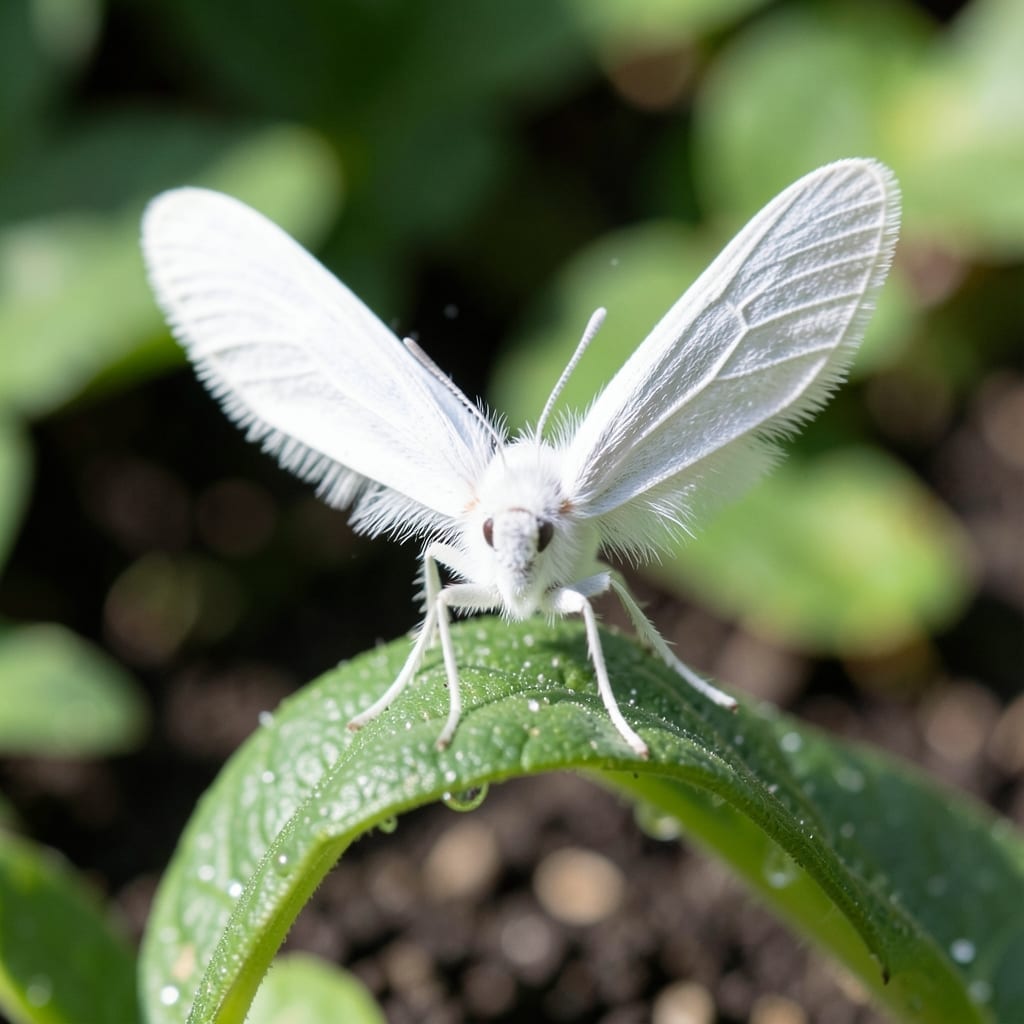
I first noticed them flitting around my cabbage at dusk. Tiny white moths aren’t just annoying—they’re the adult stage of cabbage worms that will shred your brassicas overnight. One night of inaction can mean weeks of damage.
Here’s the thing—these pests thrive in the dark. Their pale color makes them nearly invisible by day, but a flashlight reveals them clustering on leaf undersides. Handpicking at night is your most immediate defense before they lay eggs.
You’ll see results fast: fewer holes in leaves within 48 hours of consistent removal. The key is checking plants just after sunset when they’re most active. No fancy equipment needed—just gloves and a bucket of soapy water.
Works for broccoli, kale, and cauliflower. Skip this step and you’re basically rolling out the welcome mat for an infestation.
Tiny white moths in your garden are usually a sign of an underlying issue. Here’s why they show up and what’s drawing them in:
White moths, often Indian meal moths or clothes moths, thrive in gardens with excess organic debris. Fallen leaves, rotting fruit, or compost piles create ideal breeding grounds. These moths lay eggs in decaying material, which hatch into larvae that feed on the matter. Action: Remove plant debris regularly and keep compost bins sealed.
Excess moisture attracts moth species like drain moths or pantry moths. Overwatered soil fosters fungus and algae, which moth larvae consume. Poor drainage or standing water in pots can also invite them. Action: Adjust watering schedules and ensure proper drainage to reduce dampness.
Some tiny white moths are pollinators drawn to night-blooming flowers (e.g., evening primrose or moonflower). While beneficial, their larvae may damage nearby plants. Action: Monitor night-blooming areas and handpick moths at dusk when they’re active.
Moths infest stored seeds, mulch, or potting soil. Pantry moths often hitchhike in bagged soil or birdseed. Action: Inspect stored materials and transfer them to airtight containers.
Pro Tip: 💡 Use yellow sticky traps near problem areas to monitor and reduce moth populations naturally.
Dealing with tiny white moths in your garden doesn’t have to be a losing battle. Below are practical, easy-to-follow solutions tailored to the most common causes, along with prevention tips to keep them from coming back.
Fix: Reduce watering frequency and ensure your garden has proper drainage. Tiny white moths thrive in damp environments, so let the soil dry slightly between waterings. Consider adding organic matter like compost to improve soil structure and drainage.
Prevention: Use raised beds or containers if your garden soil retains too much moisture. Install a simple drip irrigation system to control water distribution more precisely.
Fix: Remove any decaying leaves, fallen fruit, or plant debris where moths may lay eggs. Clean up your garden regularly, especially after storms or heavy winds that may scatter organic material.
Prevention: Maintain a consistent cleanup schedule. Use mulch sparingly and opt for inorganic types like gravel to discourage moths from settling in.
Fix: Introduce natural predators like birds, bats, or beneficial insects (e.g., lacewings or parasitic wasps). Install bird feeders or bat houses to encourage these creatures to visit your garden.
Prevention: Avoid using broad-spectrum pesticides, as they can harm the very predators that keep moth populations in check. Plant native flowers to attract beneficial insects year-round.
Fix: Switch to yellow or sodium vapor bulbs for outdoor lighting, as these are less attractive to moths. Alternatively, turn off unnecessary lights at night to reduce their presence.
Prevention: Use motion-activated lights instead of constant lighting. Position lights away from garden areas to minimize moth congregations near your plants.
💡 Pro Tip: Handpick moths at night when they’re most active. Use a flashlight and a jar of soapy water to collect and dispose of them quickly!
Yes, their larvae can damage leaves, especially on brassicas like cabbage and kale. The moths themselves don’t harm plants, but their eggs hatch into hungry caterpillars that chew through foliage.
Tiny white moths are nocturnal, which helps them avoid predators. Their pale color also camouflages them during daylight. Use a flashlight at dusk to spot and remove them effectively.
Organic options like Bt (Bacillus thuringiensis) work well without harming beneficial insects. Avoid chemical pesticides—they can kill predators that naturally control moth populations.
Remove plant debris, improve drainage, and store supplies in airtight containers. Regular nighttime checks and yellow sticky traps also help keep populations low.