
Beautiful Plants For Your Interior
Beautiful Plants For Your Interior
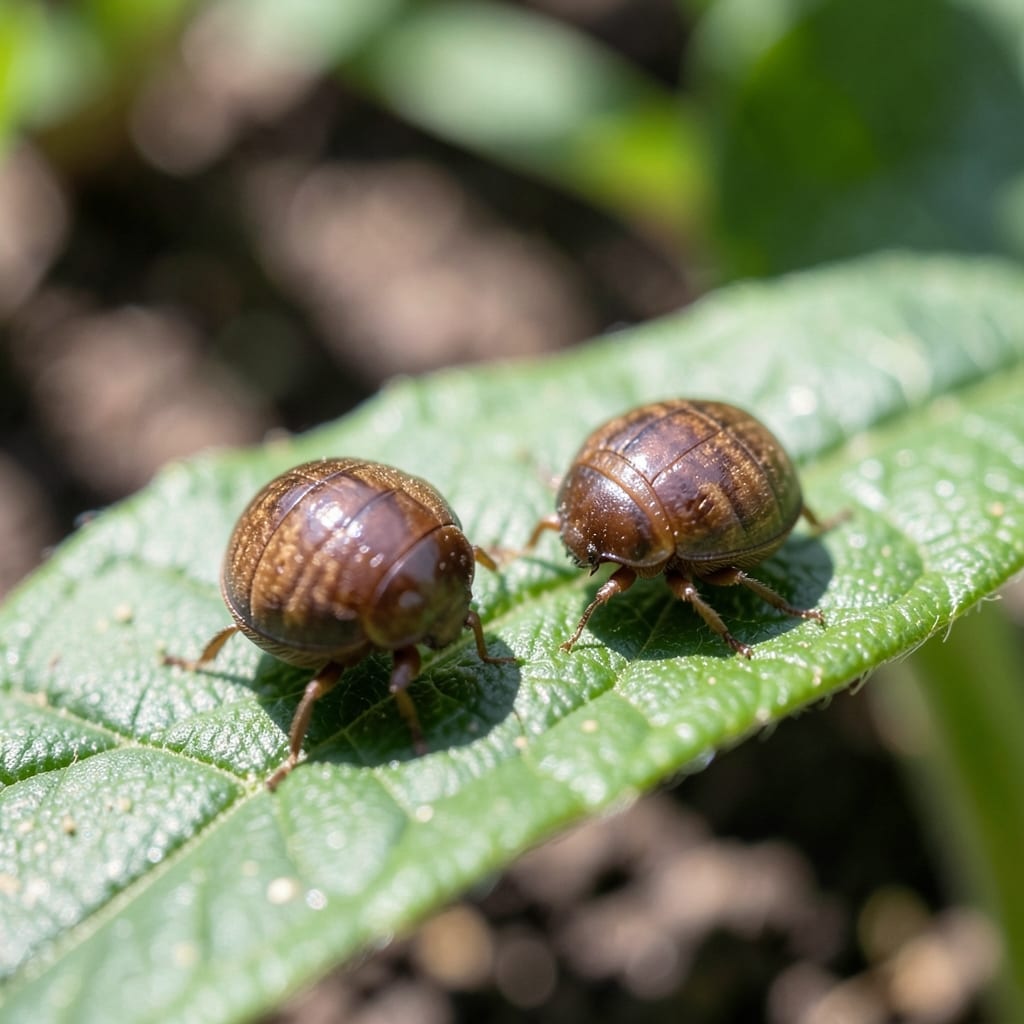
I spotted tiny round brown bugs under my zucchini leaves last week. These little armored invaders can multiply fast, but don’t panic—they’re usually more annoying than destructive.
Most of the time, they’re pill bugs or beetles just passing through. The real trouble starts when they cluster on young plants or soft fruits. I’ve learned the hard way that early action saves your harvest.
Organic solutions work best here. A simple hand-picking session at dusk, when they’re most active, can remove 80% of them in one evening. No harsh chemicals needed.
For stubborn cases, diatomaceous earth or neem oil does the trick without harming beneficial insects. Your garden can stay healthy and pest-free with these foolproof methods.
Understanding why these tiny round brown hard-shell bugs appear in your garden is the first step to managing them. These pests, often pill bugs or sow bugs (isopods), thrive in specific conditions. Below are the most common causes of their presence:
Pill bugs and sow bugs are crustaceans, not insects, and require high humidity to survive. Overwatered soil, poor drainage, or dense mulch creates the perfect damp environment for them. They often hide under rocks, logs, or leaf litter where moisture lingers. Action: Improve drainage and reduce watering to discourage their habitat.
These bugs feed on decaying plant matter, so gardens with thick layers of compost, fallen leaves, or rotting wood attract them. While they help break down organic material, their population can explode if food sources are abundant. Action: Regularly clear debris and balance compost piles to limit their food supply.
Isopods prefer moderate temperatures (60–75°F) and avoid extreme heat or cold. They become most active in spring and fall, seeking shelter in soil or under objects. Action: Use row covers or adjust planting times to disrupt their life cycle during peak seasons.
In ecosystems with few predators (e.g., birds, spiders, or ground beetles), these bugs multiply unchecked. Action: Encourage beneficial predators by adding birdhouses, reducing pesticides, or introducing nematodes (microscopic worms) that target isopods.
Dealing with tiny round brown hard-shelled bugs in your garden? Here’s how to tackle the issue effectively, with practical fixes for each common cause.
These pests thrive in damp environments. Fix it by letting the soil dry out between waterings and amending heavy clay soil with compost or sand to boost drainage. Use raised beds if your garden retains too much moisture. Prevention tip: 💡 Water early in the day so excess moisture evaporates, and avoid over-mulching.
Leaf litter and decaying plant matter provide perfect hiding spots. Fix it by raking up fallen leaves, removing dead plants, and keeping garden edges tidy. A clean garden disrupts their lifecycle. Prevention tip: ✨ Regularly turn compost piles to discourage nesting.
Encourage predators like ladybugs, ground beetles, or lacewings, which feed on these pests. Fix it by planting nectar-rich flowers (e.g., marigolds or alyssum) or purchasing beneficial insects from garden centers. Prevention tip: 🎯 Avoid broad-spectrum pesticides that harm helpful bugs.
If infestations persist, apply neem oil or insecticidal soap directly to affected plants. Spray in the early morning or late evening for best results. Prevention tip: 🌡️ Rotate treatments to prevent resistance and always follow label instructions.
Consistency is key—combine these methods for a long-term, pest-free garden!
Mostly no. Pill bugs and sow bugs feed on decaying matter, not healthy plants. However, large numbers may nibble on young seedlings or soft fruits.
It’s a defense mechanism! These isopods roll into a ball to protect their soft undersides from predators. They’ll uncurl once they feel safe again.
Reduce moisture by improving drainage and clearing organic debris. Encourage predators like birds or ground beetles for long-term control.
Rarely. They prefer damp outdoor environments. If found inside, check for excess moisture or decaying wood near entry points.