
Beautiful Plants For Your Interior
Beautiful Plants For Your Interior
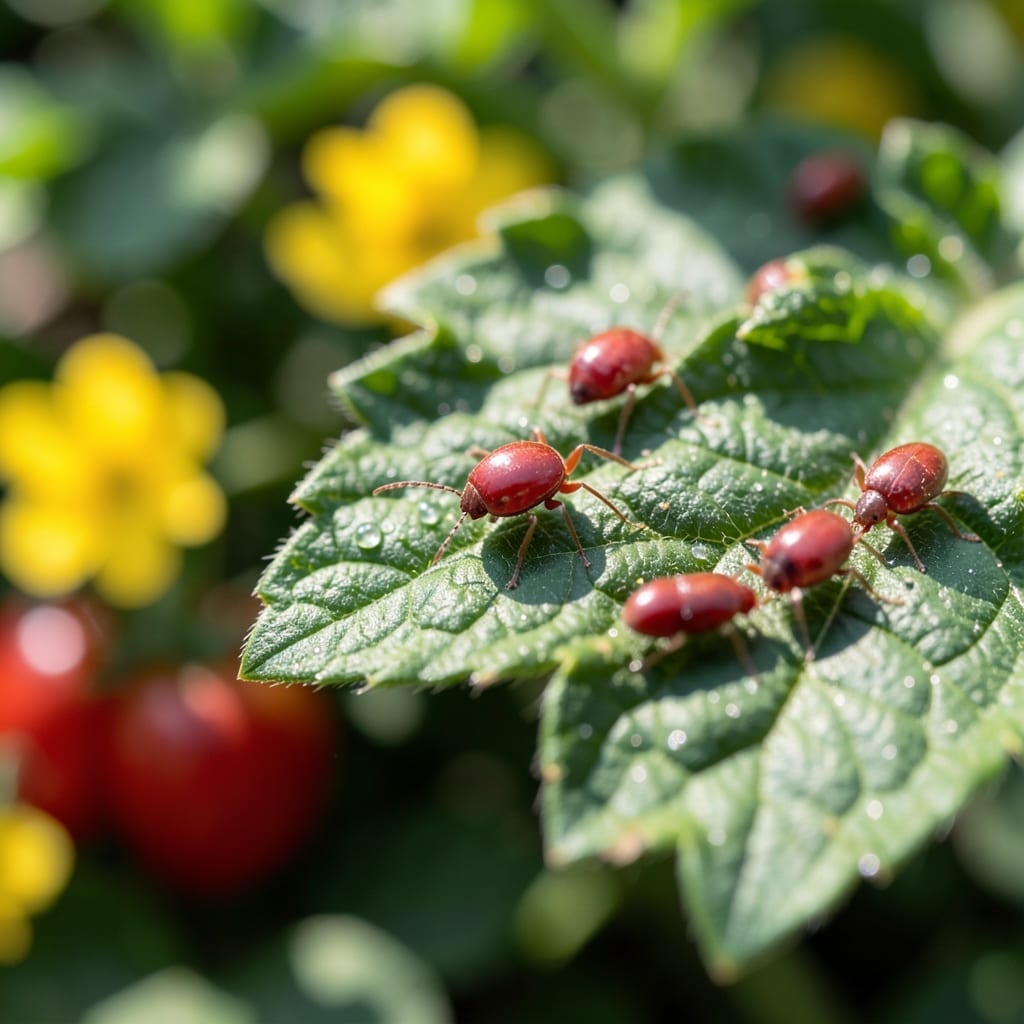
Spotted tiny red bugs crawling on your plants? I’ve been there—panicked, Googling frantically at 2 am. These pests multiply fast, but they’re not invincible.
Most are spider mites or clover mites, thriving in hot, dry conditions. They suck plant juices, leaving stippled leaves and webbing. The damage looks worse than it is—if you act now.
Organic options like neem oil or insecticidal soap work surprisingly well. For heavy infestations, targeted sprays knock them out in 24-48 hours without harming plants.
Prevention is simpler than you think: regular misting, removing debris, and checking undersides of leaves weekly keeps them from returning.
Tiny red crawling bugs often invade homes and gardens for specific environmental or behavioral reasons. Understanding the root causes helps you tackle the issue effectively.
Many red insects, like clover mites or red spider mites, thrive in damp conditions. Overwatered plants, leaky pipes, or poor drainage create ideal breeding grounds. These pests seek moisture to survive and reproduce, often clustering near windows, basements, or bathrooms.
If you notice tiny red bugs on foliage, they’re likely plant pests such as tetranychus urticae (common red spider mites). They feed on sap, weakening plants and causing yellowing or webbing. Over-fertilized or stressed plants are especially vulnerable.
Seasonal changes drive some species indoors. Clover mites, for example, swarm in spring and fall, entering homes through cracks or open windows. They don’t bite but can stain fabrics if crushed.
Red pantry pests, like drugstore beetles or cigarette beetles, target stored grains, pet food, or dried goods. Poorly sealed containers or expired products invite infestations.
Addressing these triggers—reducing humidity, inspecting plants, sealing entry points, or storing food properly—can prevent recurring problems.
Dealing with tiny red crawling bugs can be frustrating, but these targeted solutions will help you reclaim your space. Below, we break down fixes by cause, along with prevention tips to keep them from returning.
If the bugs are clustering on houseplants, isolate the affected plant immediately. Wipe leaves with a soapy water solution (1 tsp mild dish soap per quart of water) or use neem oil spray for a natural fix. Reapply every 3–5 days until gone.
Prevention: Inspect new plants before bringing them inside and avoid overwatering, as damp soil attracts pests.
Tiny red bugs in food areas are often pantry mites or flour beetles. Discard infested items in sealed bags, then vacuum shelves and cracks. Store dry goods in airtight glass or plastic containers.
Prevention: Check expiration dates, clean spills promptly, and use bay leaves or diatomaceous earth as natural deterrents.
For bugs like clover mites or bed bugs, wash bedding in hot water (130°F+) and vacuum mattresses, baseboards, and furniture. Use a steam cleaner for deep treatment. Severe infestations may require professional pest control.
Prevention: Reduce humidity with a dehumidifier, seal entry points, and use mattress encasements.
Spray outdoor plants with insecticidal soap or introduce beneficial predators like ladybugs. Keep mulch and debris away from your home’s foundation to deter migration indoors.
Prevention: Maintain a tidy yard, trim overgrown vegetation, and use caulk to seal cracks in walls or windows.
💡 Pro Tip: Regularly monitor trouble spots—early detection makes elimination easier!
Most tiny red crawling bugs like clover mites or spider mites don’t bite or spread disease. However, crushing them can leave red stains on fabrics.
Check their location and behavior. Spider mites create webbing on plants, while clover mites cluster on windowsills. Use a magnifying glass for tiny details.
A 50/50 vinegar-water spray can kill some on contact, but it won’t prevent new ones. For lasting results, combine with other methods like neem oil.
Recurring infestations often mean hidden eggs or untreated entry points. Focus on deep cleaning, sealing cracks, and reducing moisture to break their life cycle.