
Beautiful Plants For Your Interior
Beautiful Plants For Your Interior
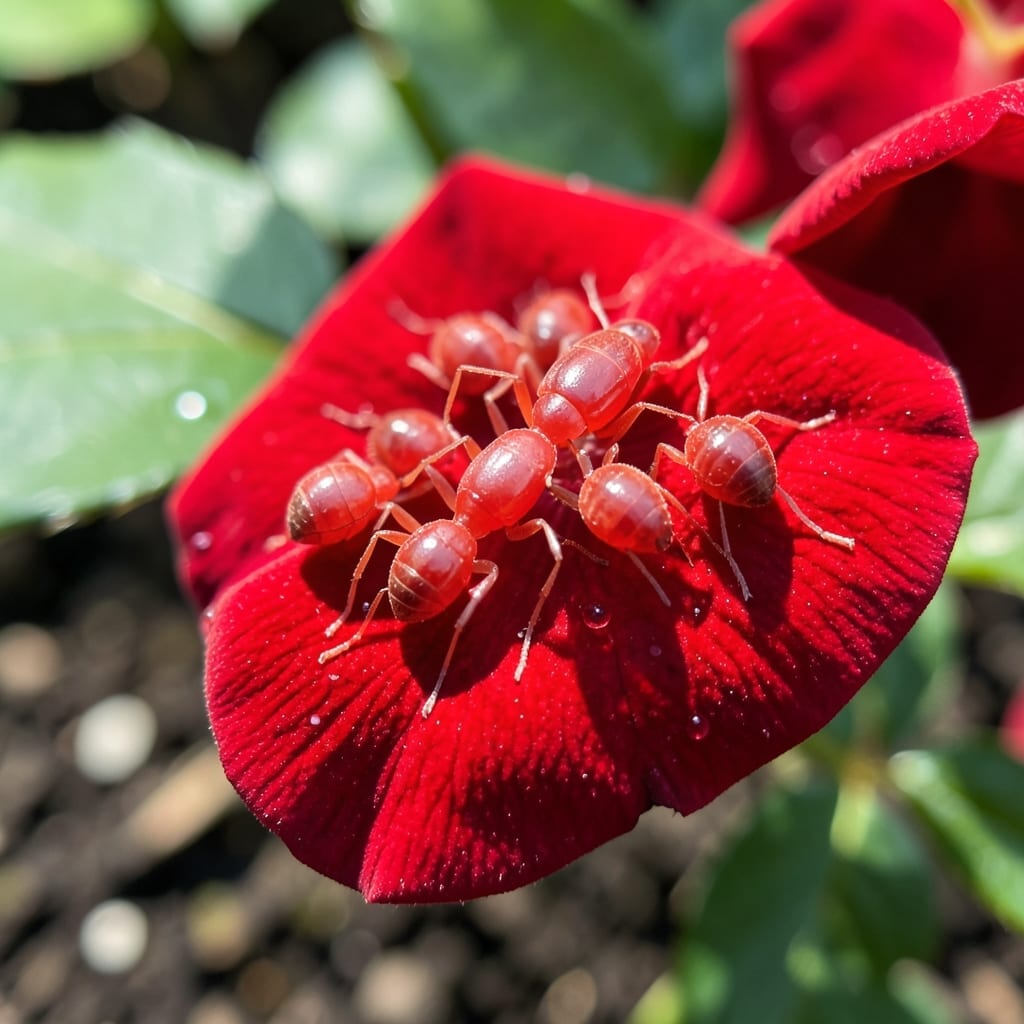
Spotted tiny red bugs on your flowers this morning? Don’t panic—I’ve been there, and the solution is simpler than you think.
These pests are usually aphids or spider mites, both of which suck plant juices and leave behind stunted growth. The good news is they’re easy to identify with a close look and even easier to treat with the right approach.
You’ll get your flowers back to thriving in days, not weeks, using organic sprays or targeted removal. The key is acting fast before they spread to your entire garden.
Prevention is just as important as treatment. A few small changes to your routine will keep them from coming back next season.
Tiny red bugs on flowers often appear due to specific environmental and biological triggers. Understanding these causes helps prevent and address infestations effectively.
Many tiny red bugs, like aphids or spider mites, thrive in gardens because flowers provide abundant food (sap, pollen) and shelter. Warm, dry conditions accelerate their reproduction, making blooms an ideal breeding ground.
Excess moisture creates humid environments that attract bugs like clover mites. Overwatered soil or dense plantings reduce airflow, fostering fungal growth—another food source for pests.
Spring and early summer spikes in temperature (70–80°F) trigger hatching and migration. Some species, like red spider mites, proliferate in hot, dusty conditions, while others emerge after overwintering in soil.
Imbalanced ecosystems (e.g., pesticide overuse) eliminate natural predators like ladybugs or lacewings. Without these checks, red bug populations explode unchecked on vulnerable flowers.
Introducing infested plants, contaminated soil, or even garden tools can spread bugs. Always quarantine new additions and sanitize equipment to prevent cross-contamination.
Dealing with tiny red bugs on your flowers can be frustrating, but these practical solutions will help you reclaim your garden’s beauty. Below are targeted fixes for common causes, along with prevention tips to keep your blooms thriving.
If aphids are the culprits, mix 1 teaspoon of mild dish soap with 1 quart of water and spray it directly on the bugs. For a stronger approach, use neem oil (follow label instructions) to disrupt their lifecycle. Prevention tip: 💡 Introduce ladybugs, natural predators of aphids, to your garden.
Spider mites thrive in dry conditions. Combat them by misting your plants regularly or placing a tray of water near them to boost humidity. For severe cases, wipe leaves with a damp cloth to remove mites. Prevention tip: 🌡️ Keep plants well-watered and avoid over-fertilizing, which attracts mites.
These tiny red pests often gather in clusters. Use a vacuum with a hose attachment to suck them off plants and dispose of them far from your garden. Seal entry points like cracks in windows or doors to prevent reinfestation. Prevention tip: ✨ Maintain a clean garden by removing debris where mites hide.
Excess moisture can attract bugs. Let the top inch of soil dry out between waterings and ensure pots have drainage holes. Prevention tip: 🎯 Water early in the day to allow foliage to dry before evening, reducing bug appeal.
With these steps, your flowers will stay vibrant and bug-free! Consistency is key—monitor plants regularly to catch issues early.
Yes, they can cause significant damage. These pests suck sap from leaves and stems, leading to stunted growth and wilting. Left untreated, they can kill young plants or severely weaken mature ones.
Many of these pests multiply rapidly and can migrate to nearby plants. Isolate affected flowers immediately and treat the entire area to prevent further infestation.
A mild soap-and-water spray works well for many types. Mix 1 teaspoon dish soap with 1 quart water and apply directly. For stubborn cases, neem oil is a natural, effective option.
Encourage natural predators like ladybugs and maintain good airflow around plants. Avoid overwatering and remove plant debris where pests might hide.