
Beautiful Plants For Your Interior
Beautiful Plants For Your Interior
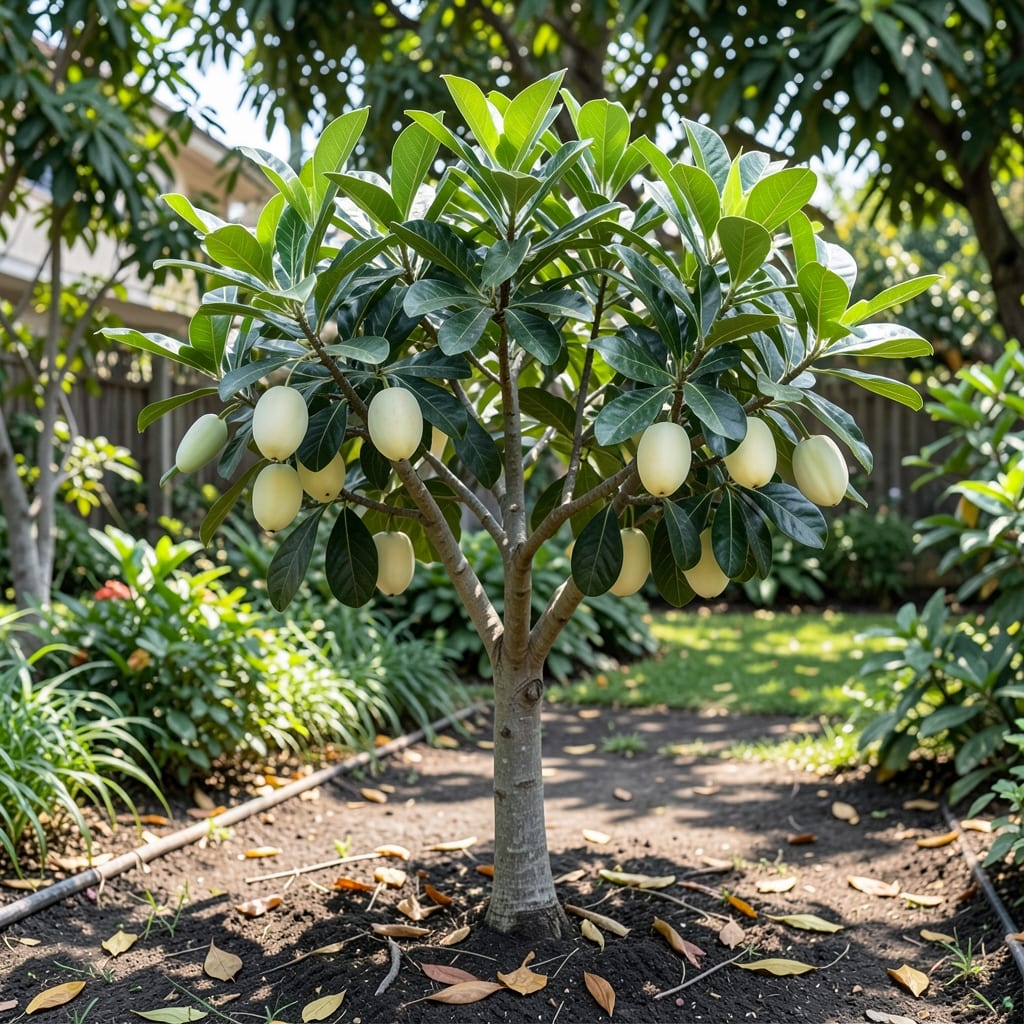
This tropical fruit transforms backyards with its sweet, fragrant presence. I’ve grown Thai white guava for years, and it’s one of the most rewarding plants for home gardens.
It thrives in warm climates with minimal fuss—just well-draining soil, regular watering, and a sunny spot. You’ll enjoy lush foliage and fruit that’s as delicious as it looks.
📚 In This Guide
Here is the method I use to successfully grow this tropical fruit in home gardens with consistent results.
Choose a spot that receives full sun for at least 6-8 hours daily. Thai white guava thrives in warm climates and needs plenty of light to produce sweet, flavorful fruit. I always test soil drainage first—dig a 1-foot hole, fill it with water, and ensure it drains completely within 1 hour.
If your soil is heavy clay, amend it with organic matter or consider planting in a raised bed. The ideal pH range is 5.0-7.0, so a soil test is worth the effort. Avoid low-lying areas where cold air or frost might settle, as this tropical plant is sensitive to temperatures below 30°F.
Dig a hole that is twice as wide and just as deep as the root ball of your seedling. Gently remove the plant from its container and loosen any circling roots to encourage outward growth. I place the seedling in the hole so that the soil line on the stem matches the surrounding ground level—burying it too deep can lead to rot.
Backfill the hole with native soil, pressing lightly to eliminate air pockets. Water thoroughly with 1-2 gallons of water to settle the soil around the roots. A 2-3 inch layer of mulch around the base helps retain moisture but keep it 6 inches away from the trunk to prevent disease.
Water young plants deeply 2-3 times per week for the first 2-3 months, then reduce to once a week once established. The key is consistency—let the top 1-2 inches of soil dry out between waterings, but never allow the root zone to become bone dry. Overwatering is just as harmful as underwatering.
Fertilize every 4-6 weeks during the growing season with a balanced 10-10-10 or 8-3-9 fertilizer. I switch to a low-nitrogen formula once fruiting begins to encourage better fruit development. Always water immediately after fertilizing to prevent root burn and distribute nutrients evenly.
Prune young trees to establish a strong framework by removing any crossing or inward-growing branches. Thai white guava responds well to light pruning, which improves air circulation and sunlight penetration. I prune after the first harvest to shape the tree and remove any dead or diseased wood.
Thin out excess fruit when it is about the size of a marble to ensure the remaining fruit grows larger and sweeter. This also prevents branches from breaking under the weight of too much fruit. Wear gloves when handling the plant, as the leaves and stems can be slightly abrasive.
Monitor for common pests like fruit flies, scale, and mealybugs, which are attracted to the sweet fruit. I use horticultural oil or neem oil as a preventive spray every 2-3 weeks during the growing season. Traps and removal of fallen fruit can also reduce pest populations effectively.
If you live in a region with occasional cold snaps, protect young trees with frost cloth or a thick layer of mulch around the base. For temperatures below 25°F, consider potted plants that can be moved indoors. Even mature trees benefit from a watchful eye during unexpected cold spells.
These practical insights will help you avoid common pitfalls when growing this tropical fruit.
Sunlight Requirement: The 6-8 hours of full sun daily isn’t just a suggestion—it’s essential for sweet, flavorful fruit. If your garden doesn’t get this much light, consider container growing so you can move the plant to follow the sun throughout the day.
Drainage Test: That 1-hour drainage test in Step 1 is critical. If water doesn’t drain completely within this time, your soil will stay too wet and potentially rot the roots. I learned this the hard way after losing my first seedling to poor drainage.
Cold Protection: Remember that this plant is sensitive to temperatures below 30°F. For areas with occasional cold snaps, have frost cloth ready. If you’re expecting temperatures to drop below 25°F, moving potted plants indoors is your best bet for survival.
Pruning Timing: Prune after the first harvest, not before. This timing allows the tree to establish itself while still giving you the benefits of improved air circulation and sunlight penetration that pruning provides.
Yes! Thai white guava thrives in warm climates with well-drained soil. It requires minimal care once established, making it ideal for home gardens. Just provide full sunlight and regular watering for the best results.
With proper care, Thai white guava trees typically start fruiting within 2-3 years. Young trees may take longer, but consistent pruning and fertilization can speed up the process.
Watch out for fruit flies, scale insects, and anthracnose. Regularly inspect leaves and fruits, and use organic pesticides or neem oil to prevent infestations.
Absolutely! Choose a large container (at least 20 gallons) with drainage holes. Dwarf varieties work best. Ensure it gets 6-8 hours of sunlight daily and water when the topsoil feels dry.
Small or bitter fruits often result from poor pollination, nutrient deficiencies, or inconsistent watering. Use balanced fertilizer, ensure proper drainage, and hand-pollinate if needed.