
Beautiful Plants For Your Interior
Beautiful Plants For Your Interior
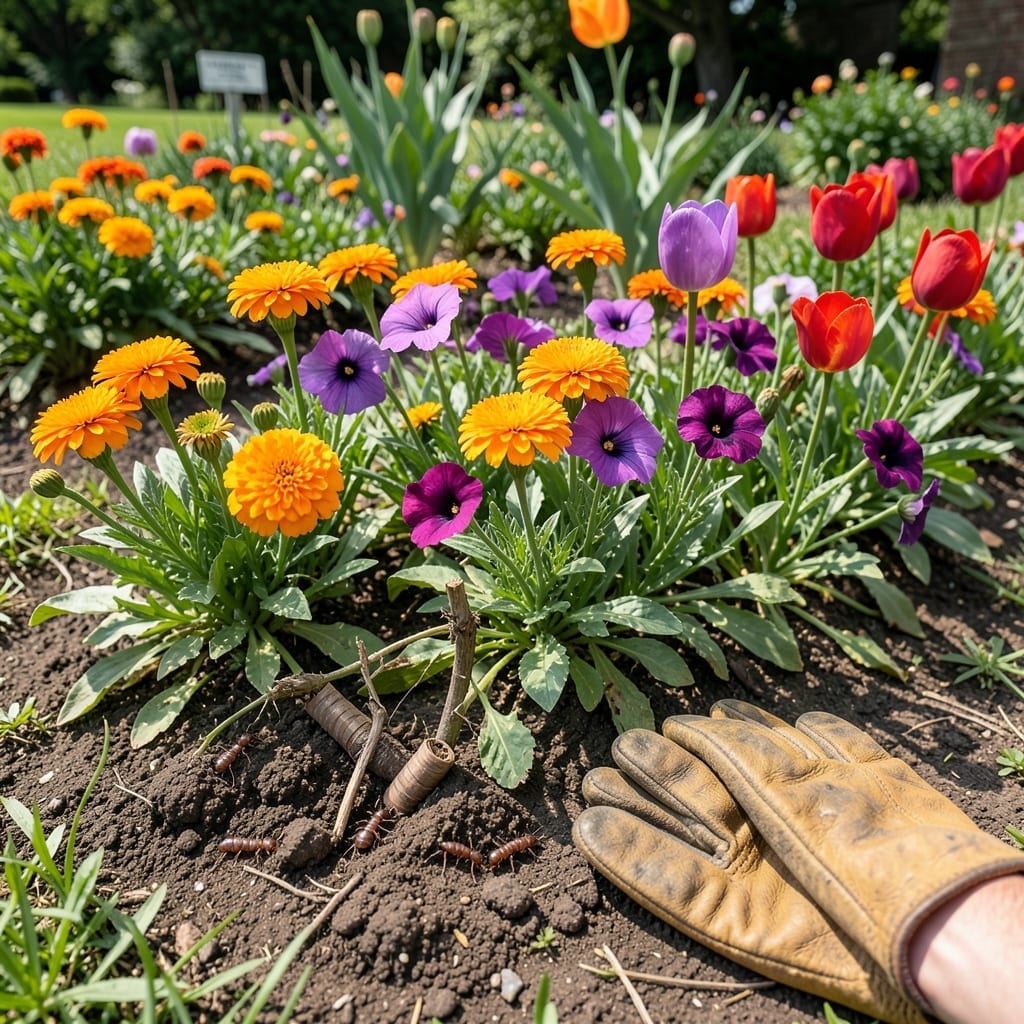
I noticed the mud tubes first—tiny highways winding up my rose stems. Termites in flower beds sneak in quietly, turning healthy soil into a hidden buffet of decaying wood and plant matter.
Here’s the thing—they don’t just eat wood. They’ll compromise root systems, weaken stems, and leave your blooms vulnerable to disease. I’ve seen entire beds collapse after a season of unchecked activity.
The good news? Non-toxic removal works if you catch it early. A little digging, some strategic barriers, and consistent monitoring can save your garden without harsh chemicals.
Your flowers can bounce back stronger once the threat is gone. Let me show you how to spot the signs and take action before it spreads.
Termites in your flower bed may seem random, but there are clear reasons why they’re drawn to that spot. Understanding these causes helps you take targeted action to keep your garden thriving.
Termites thrive in damp environments, and overwatered flower beds create the perfect habitat. Poor drainage, frequent irrigation, or heavy clay soil can trap moisture, attracting subterranean termites that tunnel through soil in search of cellulose. Fixing drainage and adjusting watering schedules can make your flower bed less inviting.
Flower beds often contain mulch, dead roots, or compost—all rich in cellulose, which termites feed on. As plant debris breaks down, it releases heat and moisture, signaling termites that food is nearby. Regularly clearing old mulch and removing decaying plant material reduces this food source.
If your flower bed is near a fence, deck, or wooden planter, termites may migrate from infested wood into the soil. These pests don’t distinguish between structural lumber and your garden—if there’s cellulose, they’ll explore it. Inspecting and treating nearby wood can prevent spillover into your flower bed.
Flower beds with dense plantings or thick mulch layers retain warmth and humidity, creating a microclimate ideal for termite colonies. These conditions protect them from temperature swings and predators. Thinning out plants and using inorganic mulches can disrupt their preferred environment.
Dealing with termites in your flower bed doesn’t have to mean harsh chemicals or uprooting your plants. Below are practical, non-toxic solutions to evict these pests and keep your blooms thriving.
Termites thrive in damp environments. Fix leaks in nearby hoses or irrigation systems, and improve drainage by adding gravel or sand to the soil. Ensure your flower bed isn’t collecting standing water after rain.
Prevention tip: 💡 Water plants early in the day so excess moisture evaporates by evening.
Create a physical barrier to deter termites. Mix diatomaceous earth (food-grade) into the top layer of soil—it dehydrates termites on contact. For a longer-term fix, install a metal or plastic termite shield around the bed’s perimeter.
Prevention tip: ✨ Reapply diatomaceous earth after heavy rain or watering.
Introduce beneficial nematodes (e.g., Steinernema carpocapsae) to the soil. These microscopic worms hunt and kill termites without harming plants or other beneficial insects. Apply in the late afternoon or evening for best results.
Prevention tip: 🎯 Keep soil moist for a week after application to help nematodes establish.
Inspect the flower bed for old stumps, mulch, or wooden borders—these are termite magnets. Remove and replace infested wood with termite-resistant materials like cedar or composite lumber.
Prevention tip: 🌡️ Store firewood or untreated lumber at least 20 feet away from your garden.
By combining these methods, you’ll create an unwelcoming environment for termites while keeping your flower bed safe and flourishing.
Look for mud tubes on plant stems or soil, discarded wings near the bed, or hollow-sounding wood. Small piles of frass (termite droppings) near the base of plants are another telltale sign.
They primarily feed on cellulose in wood and decaying plant matter, but can weaken roots and stems over time. Severe infestations may cause wilting or stunted growth in your flowers.
Vinegar can kill termites on contact but won’t eliminate a colony. For better results, try diatomaceous earth or beneficial nematodes as natural alternatives.
Reduce moisture by improving drainage, remove wood debris, and use inorganic mulch like gravel. Regular inspections help catch new activity early.