
Beautiful Plants For Your Interior
Beautiful Plants For Your Interior
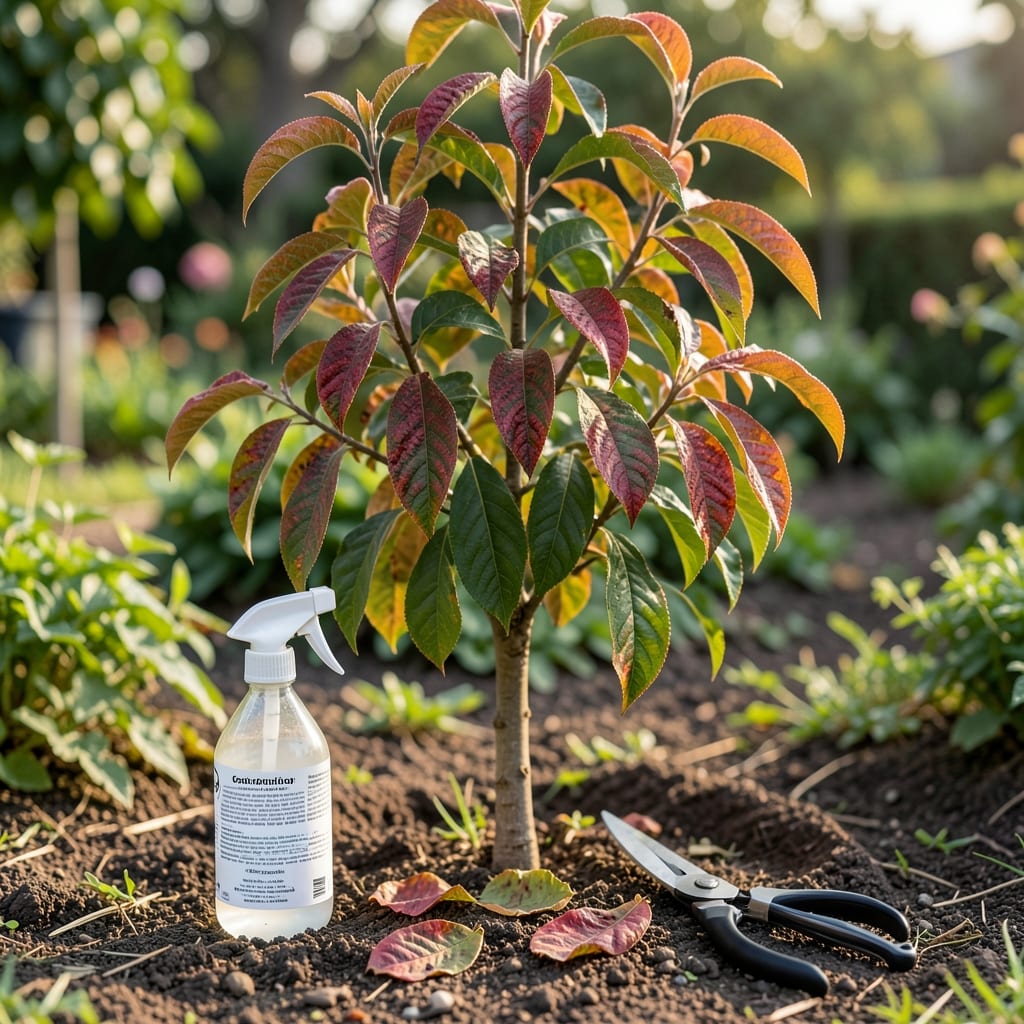
Red, blistered leaves on your peach tree mean trouble. I’ve battled peach leaf curl for years and finally found the organic solutions that actually work.
This fungal disease hits hardest in cool, wet springs, but it’s not a death sentence. The key is timing—treat before buds swell, not after you see the damage.
You’ll stop the spread with copper sprays, improve air circulation, and clean up fallen leaves. No harsh chemicals needed.
Your trees will recover faster, produce healthier fruit, and resist future infections. Here’s how to turn the tide this season.
Taphrina deformans, the fungus behind peach leaf curl, thrives under specific environmental and biological conditions. Understanding these triggers helps you prevent outbreaks before they start. Below are the primary causes, explained in clear, actionable terms.
The fungus spores require prolonged leaf wetness to germinate and infect tissue. Rainy springs, overhead irrigation, or poor air circulation create the perfect damp environment. Peach trees in low-lying or waterlogged areas are especially vulnerable. Action: Improve drainage and avoid wetting foliage during watering.
T. deformans spores overwinter in bark and bud scales, then activate when temperatures hover between 50–70°F (10–21°C) with high humidity. Early spring rains accelerate spore release. Action: Monitor forecasts and apply preventive fungicides before bud break.
Some peach and nectarine cultivars lack genetic resistance, making them highly prone to infection. Older or stressed trees also have weakened defenses. Action: Plant resistant varieties like ‘Frost’ or ‘Redhaven’ and maintain tree vigor through proper pruning and nutrition.
The fungus survives winter in dormant buds and bark crevices. Without intervention, spores reinfect new growth each spring. Action: Prune infected branches in late summer (not during dormancy) and remove fallen leaves to reduce spore loads.
Peach leaf curl, caused by Taphrina deformans, can be managed effectively with the right approach. Below are practical solutions tailored to specific causes, along with prevention tips to keep your trees healthy.
Cause: Fungal spores overwinter on leaf surfaces and buds. Fix: Prune and remove all curled, discolored leaves as soon as you spot them. Burn or dispose of them in sealed bags to prevent spores from spreading. Disinfect pruning tools with rubbing alcohol between cuts.
Cause: High humidity and wet conditions encourage fungal growth. Fix: Spray a copper-based fungicide (like Bordeaux mixture) during dormancy (late fall or early winter) and again just before buds swell in spring. Reapply after heavy rain. Follow label instructions for dilution and safety.
Cause: Poor airflow traps moisture, creating a breeding ground for fungi. Fix: Thin out crowded branches to allow light and air to penetrate the canopy. Space trees at least 10–12 feet apart when planting.
Cause: Overhead watering wets foliage, promoting spore germination. Fix: Use drip irrigation or water at the base of the tree to keep leaves dry. Water in the morning so foliage dries quickly.
Apply copper fungicide in late fall after leaf drop, then again in early spring before buds swell. Reapply after heavy rain or every 2-3 weeks during wet seasons.
Neem oil can help as a preventive measure but isn’t as effective as copper for active infections. Use it in dormancy or alternate with copper sprays for better results.
Yes, remove and destroy curled or discolored leaves as soon as you see them. This prevents spores from spreading. Always disinfect pruning tools between cuts.
Thin out dense branches to open the canopy. Space trees 10-12 feet apart and prune to allow light and air to reach the center.