
Beautiful Plants For Your Interior
Beautiful Plants For Your Interior
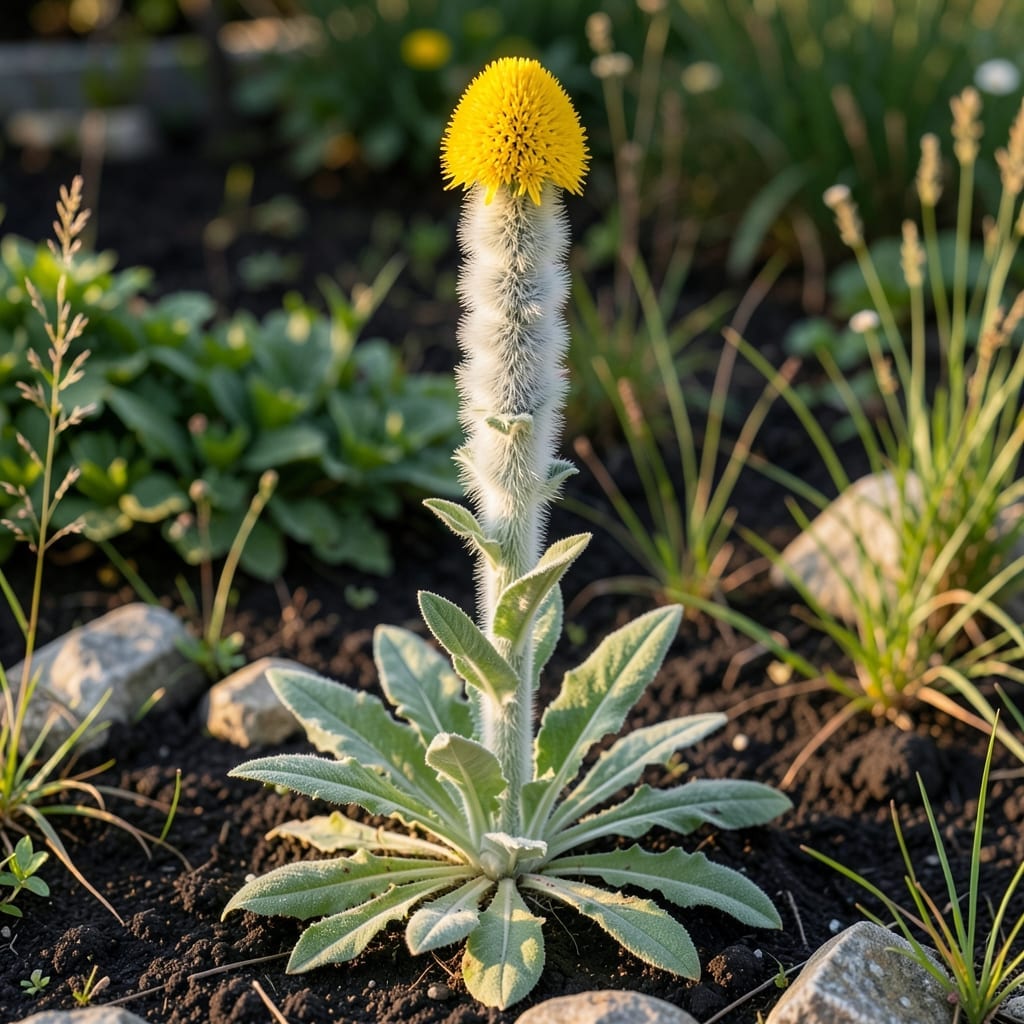
Those fuzzy-stemmed invaders popping up overnight aren’t just eyesores. They’re stealing water, nutrients, and sunlight from your plants before you even notice the damage.
I’ve battled my share of these fast-growing weeds, and the key is acting before they seed. Pulling them young prevents a season-long battle, but you need to get the roots or they’ll be back in days.
Organic control works best here—no harsh chemicals needed. A little elbow grease and consistency will keep your garden beds clean and your plants thriving.
Prevention is simpler than you think. A thick layer of mulch and regular checks stop these weeds from ever gaining a foothold.
Several environmental and biological factors contribute to the growth of tall weeds with fuzzy stems. Understanding these causes helps gardeners take targeted action. Below are the most common triggers:
Excess nitrogen in soil promotes rapid, leggy growth in weeds like Lamb’s Quarters or Mugwort. These plants develop tall, fuzzy stems as they stretch toward sunlight. Test soil annually and avoid over-applying high-nitrogen fertilizers.
Inconsistent watering—either too much or too little—stresses desirable plants while allowing drought-tolerant weeds (e.g., Common Purslane) to thrive. Their fuzzy stems often evolve as a moisture-retention adaptation. Use drip irrigation to maintain even soil moisture.
When gardens have sparse plantings, sunlight penetrates to the soil, giving weeds like Velvetleaf (with its hairy stem) a chance to outcompete slower-growing crops. Dense planting or mulching blocks light and suppresses their growth.
Tilling or digging brings buried weed seeds to the surface, where light and air trigger germination. Many fuzzy-stemmed weeds (e.g., Hemp Agrimony) capitalize on disturbed earth. Opt for no-till methods to reduce weed emergence.
Addressing these root causes—through soil testing, proper watering, shading, and minimal soil disruption—can significantly reduce the prevalence of these invasive plants.
Dealing with tall, fuzzy-stemmed weeds doesn’t have to be a losing battle. Here’s how to tackle the most common causes with simple, effective solutions—and keep them from coming back.
If weeds have already taken over, hand-pulling is your first line of defense. Grab them at the base (gloves help with fuzzy stems!) and yank firmly to remove the roots. For stubborn taproots, use a weeding tool to dig deep. Pro tip 💡: Pull after rain when soil is soft, making roots easier to extract.
Prevent it: Mulch garden beds with 2–3 inches of organic material (straw, wood chips) to block sunlight and suppress new growth.
Weeds thrive in compacted or nutrient-poor soil. Amend the soil with compost or aged manure to improve its structure and fertility. Healthy soil fosters strong plants that outcompete weeds naturally.
Prevent it: Test your soil annually and adjust pH or nutrients as needed. Rotate crops to avoid depleting specific nutrients.
For large, neglected patches, smothering works wonders. Lay down cardboard or thick layers of newspaper, then top with mulch. This blocks light and kills weeds over 4–6 weeks. For a faster fix, solarize the area: cover with clear plastic for 4–6 weeks in hot sun to bake weeds and seeds.
Prevent it: Stay on top of weeding with weekly checks. A little effort now saves hours later!
If weeds have gone to seed, mow or trim them before they release fluffy seeds (which fuzzy stems often carry). Bag the clippings to avoid spreading seeds elsewhere.
Prevent it: Plant densely with ground covers or competitive plants to leave no room for weeds to establish.
The fuzz helps conserve moisture and protect against pests. Many tall weeds, like lamb’s quarters or mugwort, develop these hairy stems to survive in dry or disturbed conditions.
Remove the entire root system to prevent regrowth. Use a weeding tool for deep taproots, especially after rain when soil is soft. Gloves help with the fuzzy texture.
Yes! A 2-3 inch layer of organic mulch blocks sunlight and suppresses new growth. Reapply as it decomposes for long-term control.