
Beautiful Plants For Your Interior
Beautiful Plants For Your Interior
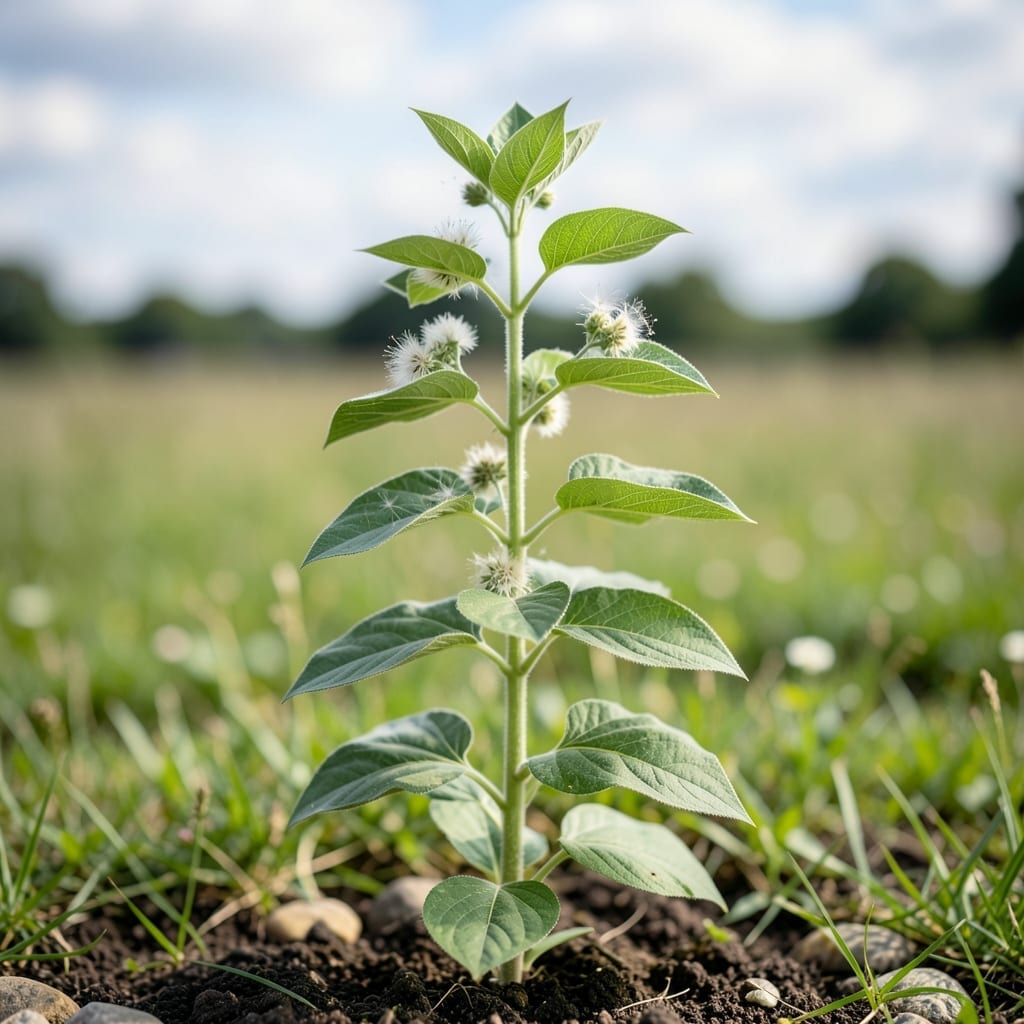
That fluffy invader in your yard has a name—and a solution. I’ve battled this persistent weed more times than I care to admit, and I’ve learned the best way to stop it from spreading.
It thrives in disturbed soil, popping up along fences, driveways, and neglected garden corners. The seeds catch the wind like tiny parachutes, making this plant a master at colonizing new spaces. Left unchecked, it can overtake flower beds in one season.
Removal is straightforward but requires persistence. Pull it before the seeds form, and you’ll prevent next year’s invasion. A little effort now saves hours of work later.
Prevention starts with healthy soil and vigilance. Keep an eye out in early spring, and you’ll stay ahead of the problem.
The tall weed with white fluffy seeds—often common milkweed (Asclepias syriaca) or dandelions in seed stage—thrives and spreads due to several key biological and environmental factors. Understanding these causes helps you tackle the root of the problem.
These weeds produce lightweight, fluffy seeds designed for anemochory (wind dispersal). Each seed is attached to a fine, hair-like structure called a pappus, which acts like a parachute. Even a gentle breeze can carry seeds hundreds of feet from the parent plant, leading to rapid colonization of new areas. This adaptation ensures survival by reducing competition among offspring.
Disturbed soil—whether from tilling, construction, or foot traffic—creates ideal conditions for these weeds. Their seeds lie dormant in the soil until light and oxygen trigger germination. Gardens, lawns, and roadsides often see spikes in growth after soil disruption because buried seeds are suddenly exposed to favorable conditions.
Many tall weeds with fluffy seeds have long-lived seed banks. For example, dandelion seeds can remain viable in the soil for up to 10 years, while milkweed seeds may last 3–5 years. This persistence means that even if you remove the parent plants, new weeds can emerge from seeds dormant in the soil for years.
These weeds excel in open, low-competition environments. Thin lawns, bare patches, or overgrazed areas give them space to establish without competition from grasses or other plants. Their deep taproots (in species like dandelions) allow them to outcompete shallow-rooted plants for water and nutrients.
If this tall, fluffy-seeded invader has taken over your yard, don’t panic—here’s how to show it the door and keep it from coming back.
Young plants with shallow roots can be pulled by hand. Grab low on the stem and tug gently to remove the entire root. Best done after rain when soil is soft. Wear gloves to avoid skin irritation from the sap.
For mature weeds, use a trowel or weeding tool to dig deep and extract the full root system. Cutting the stem without removing the root often leads to regrowth. Dispose of the plant in a sealed bag to prevent seeds from spreading.
Cover infested zones with thick cardboard or landscape fabric, then top with 3–4 inches of mulch. This blocks sunlight and weakens existing weeds over 4–6 weeks. Ideal for large patches where hand-pulling isn’t practical.
If the infestation is severe, apply a selective herbicide labeled for broadleaf weeds. Follow label instructions carefully, and avoid spraying on windy days to protect nearby plants. Never use near edible gardens.
Prevention Tips: 💡 Apply a pre-emergent herbicide in early spring to stop seeds from germinating. 💡 Maintain a dense lawn or ground cover to block sunlight and reduce open soil. 💡 Clean tools and shoes after working in infested areas to avoid spreading seeds.
No, but it can outcompete them for sunlight and nutrients. Its deep roots and tall growth can shade smaller plants, while its seeds spread easily and crowd out desired vegetation. Remove it early to protect your garden’s balance.
Remove the plant before the fluffy seeds form, typically in late summer. Bag and dispose of the entire plant to avoid releasing seeds. A pre-emergent herbicide in spring also helps stop new growth.
Avoid composting if the plant has gone to seed. The seeds may survive and sprout in your compost pile. If the plant is young and seed-free, hot composting (above 140°F) can kill it safely.