
Beautiful Plants For Your Interior
Beautiful Plants For Your Interior
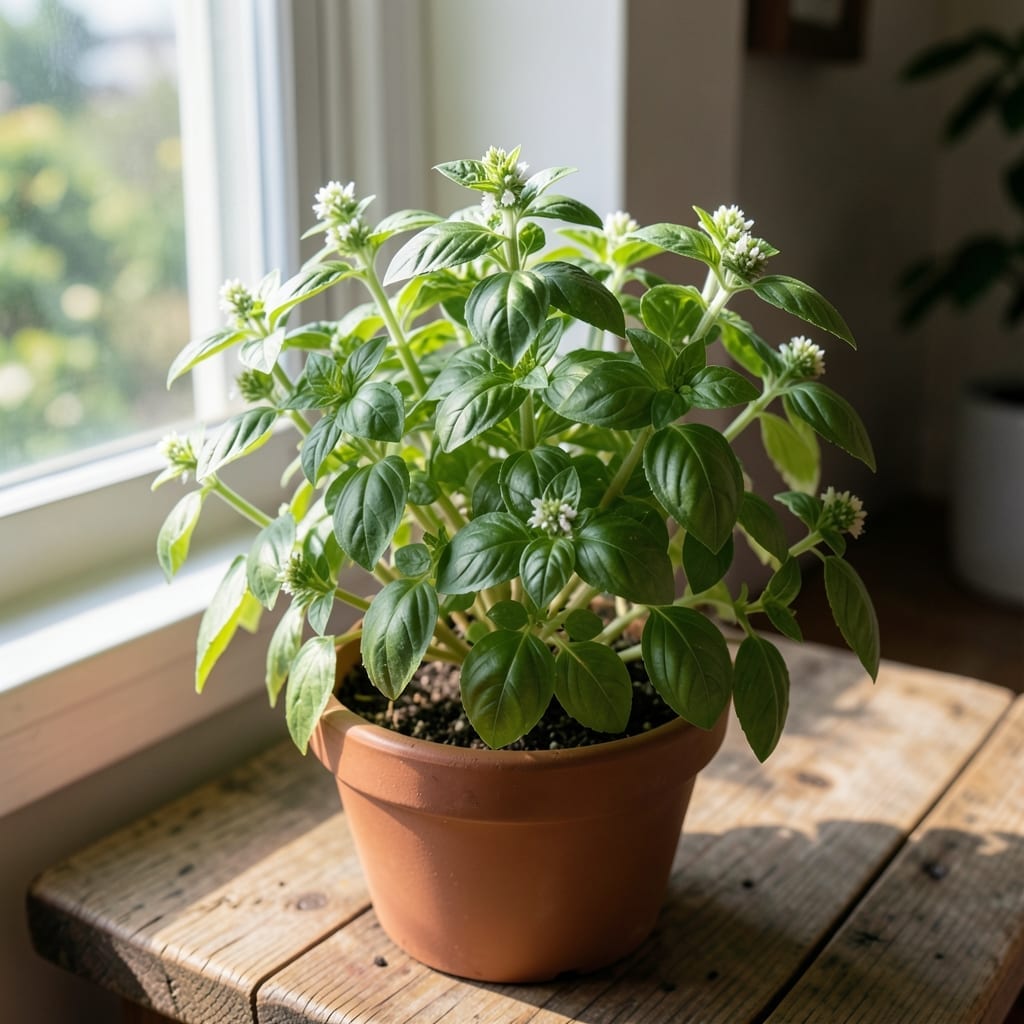
There’s nothing more disappointing than watching your 🌿 Sweet Basil struggle because it’s not getting the right light. I’ve been there, and let me tell you – sunlight makes all the difference.
Whether you’re growing in your backyard or on a sunny windowsill, understanding light needs is the key to those lush, flavorful leaves we all love. It’s not just about quantity, but quality too.
Discover how to give your basil the perfect balance of sun and shade for healthy growth all season long. Your taste buds will thank you.

If you want thriving sweet basil, sunlight is non-negotiable. This sun-loving herb craves 6-8 hours of direct light daily for optimal growth. Anything less, and you’ll notice weaker stems and smaller leaves.
In my experience, morning sun is particularly beneficial as it’s less intense than afternoon rays. This helps prevent leaf scorching while still providing the energy needed for robust growth. ☀️
| Requirement | Specification |
|---|---|
| Ideal Sunlight | 6-8 hours daily |
| Light Type | Direct sunlight |
| Minimum Sun | 4-6 hours |
| Best Window | South-facing |
For outdoor gardens, plant your basil in a spot that gets full morning sun and some afternoon shade, especially in hotter climates. This balance prevents heat stress while maximizing photosynthesis.
If you’re growing indoor basil, a south-facing window is your best bet. Without enough light, plants become leggy and weak. I’ve found that rotating pots weekly ensures even growth.
In regions with intense summer heat, consider providing dappled afternoon shade. This protects leaves from sunscald while still meeting their light requirements. 🌿
Partial shade tolerance exists, but expect slower growth and less abundant leaves. For container gardeners, move pots to follow the sun’s path throughout the day.
Remember that young seedlings need gentle acclimation to full sun. Start with 2-3 hours of direct light daily, gradually increasing over a week to prevent shock.
For those in northern climates with shorter days, supplement with grow lights. Position them 6-12 inches above plants for 12-16 hours daily to mimic ideal conditions.
Monitor your plants closely – vibrant green leaves and strong stems indicate proper light exposure. Adjust as needed throughout the growing season for the best results. ✂️
Your sweet basil will tell you if it’s unhappy with its light conditions. Leggy stems and small pale leaves scream for more sun, while yellowing or crispy edges often mean too much direct light. ☀️
I’ve found that wilting in afternoon can signal heat stress, even if the plant perks up at night. Meanwhile, slow growth and weak stems usually indicate insufficient light exposure.
✅ Signs: Leggy growth, small leaves, weak stems
✅ Fix: Move to sunnier spot, use grow lights
❌ Signs: Yellow leaves, crispy edges, wilting
❌ Fix: Add shade cloth, water deeply
For indoor basil, watch for plants leaning toward the light source. This is their way of saying “I need more sun!” Rotate pots regularly to prevent this lopsided growth pattern.
In outdoor gardens, purple stems can indicate sun stress. While some varieties naturally have purple stems, excessive purpling often means too much intense sunlight without adequate water.
I recommend checking your plants daily during extreme weather. Heat waves may require temporary shade, while cloudy weeks might need supplemental lighting. 🌿
Leaf orientation offers clues too. If leaves are turning sideways to avoid direct light, your basil is getting too much sun. Conversely, leaves reaching upward suggest they’re light-starved.
Remember that new growth is the most sensitive. If you notice brown spots on young leaves, adjust light conditions immediately to prevent permanent damage. ✂️