
Beautiful Plants For Your Interior
Beautiful Plants For Your Interior
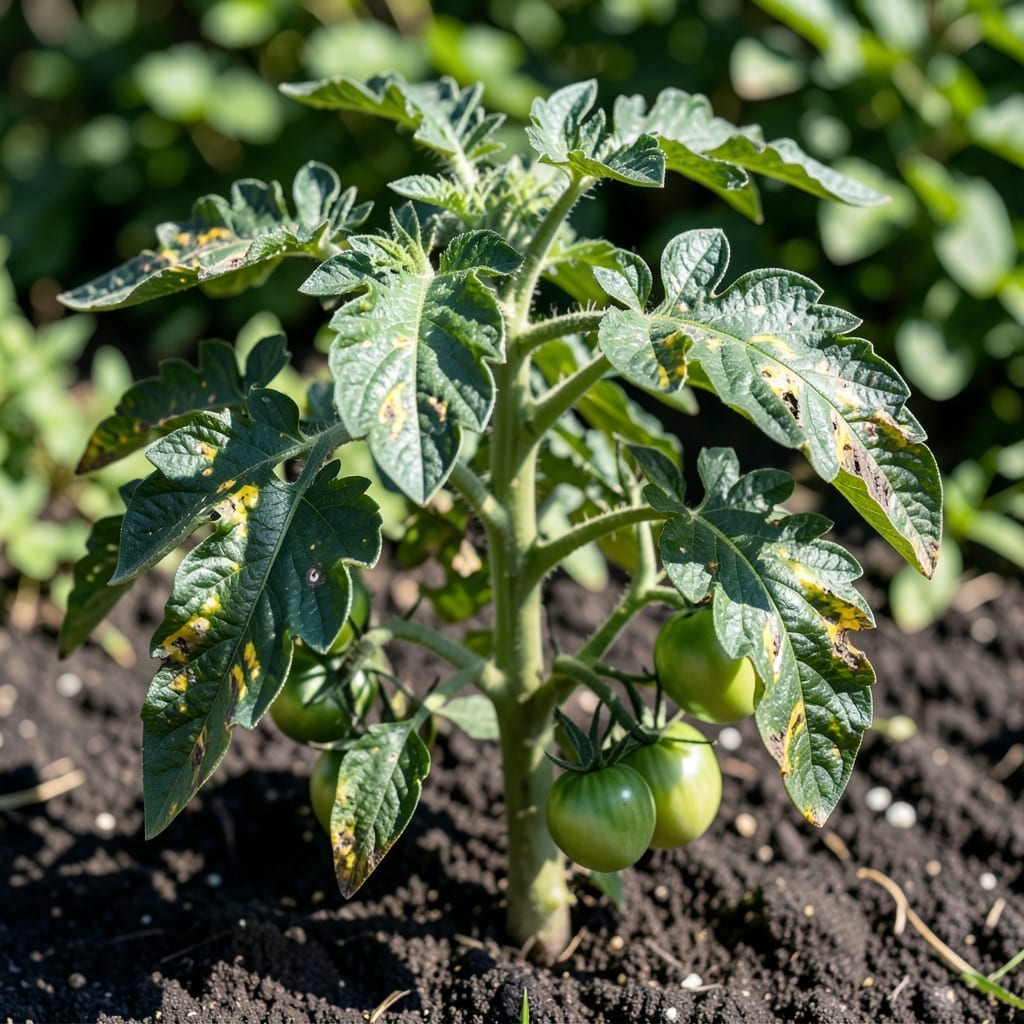
White, papery patches on leaves always catch me off guard—until I learned it was sunscald. This happens when intense sunlight overwhelms a plant’s natural defenses, leaving behind unsightly damage that can stunt growth.
I’ve lost count of how many seedlings I’ve saved by spotting the early signs: bleached spots, crisp edges, or leaves that look almost burned. The fix often starts with better timing—watering in the morning and providing afternoon shade.
Recovery is possible with a little care. Prune the worst affected leaves and give your plants a break from the harshest rays. They’ll bounce back faster than you’d think.
Prevention is simpler than treatment. A little extra attention to placement and watering can keep your garden thriving, even in the peak of summer.
Sunscald on leaves isn’t just about too much sun—it’s a complex reaction triggered by specific environmental and plant-based factors. Understanding these causes helps you prevent damage before it starts. Here’s why it happens:
Leaves exposed to direct, unfiltered sunlight—especially between 10 AM and 4 PM—absorb excessive ultraviolet (UV) radiation. This overwhelms the plant’s natural protective mechanisms, like waxy cuticles or reflective leaf hairs, leading to cellular damage. Think of it like a sunburn: the plant’s tissues literally cook, causing white or brown patches.
Sunscald thrives when plants experience sudden heat spikes. If a leaf warms up too quickly (e.g., from 70°F to 95°F in an hour), the internal moisture can’t keep up. This creates localized dehydration and protein denaturation, which kills cells and leaves behind crisp, discolored areas. Common in greenhouses or after transplanting outdoors.
When humidity is too low or soil moisture is inadequate, plants can’t cool themselves through transpiration (the process of water evaporating from leaves). Without this natural cooling, leaf surfaces overheat, making them vulnerable to UV damage. Drought-stressed or root-bound plants are especially at risk.
Plants grown in shade or indoor conditions and suddenly moved to full sun lack the photosynthetic pigments (like carotenoids) that act as sunscreen. This is why seedlings or houseplants often scald when transitioned outdoors without hardening off—a gradual exposure to sunlight over 7–10 days.
Sunscald can leave your plants looking worse for wear, but with the right fixes, they can bounce back. Here’s how to tackle the issue based on the root cause:
If your plants are getting scorched by intense sunlight, provide shade immediately. Use shade cloth (30-50% density) or move potted plants to a cooler spot with dappled light. For garden plants, consider planting taller crops or installing a temporary shade structure. Gradually reintroduce sunlight once new growth appears to avoid shocking the plant.
Dry soil worsens sunscald, so water deeply and consistently. Aim for early morning watering to reduce evaporation and give plants time to absorb moisture before the heat peaks. Mulch around the base with organic material (like straw or wood chips) to retain moisture and keep roots cool. Avoid overhead watering during sunny hours to prevent leaf burn.
During extreme heat, cool the leaves with a gentle misting in the early morning or late afternoon. Avoid wetting leaves in direct sunlight. You can also use a light-colored row cover to reflect heat or group plants together to create a microclimate with higher humidity. Potted plants benefit from being moved to a shaded patio or indoors temporarily.
Seedlings or recently transplanted plants are vulnerable. Harden them off by gradually exposing them to outdoor conditions over 7–10 days. Start with 1–2 hours of shade, slowly increasing sun exposure. For existing plants, avoid sudden moves from shade to full sun—transition them over a week.
Prevention Tips: 💡
Look for white or tan patches that feel dry and papery. These spots often appear on the side facing direct sunlight and may have crispy edges.
Damaged leaves won’t heal, but removing them helps the plant focus on new growth. Prune only the worst cases if over 50% of the leaf is affected.
No, it’s not contagious. Each plant reacts individually to environmental stress. However, nearby plants in the same conditions may show similar symptoms.
Water in the early morning before 10 AM. This gives plants time to absorb moisture and reduces evaporation loss during peak heat.