
Beautiful Plants For Your Interior
Beautiful Plants For Your Interior
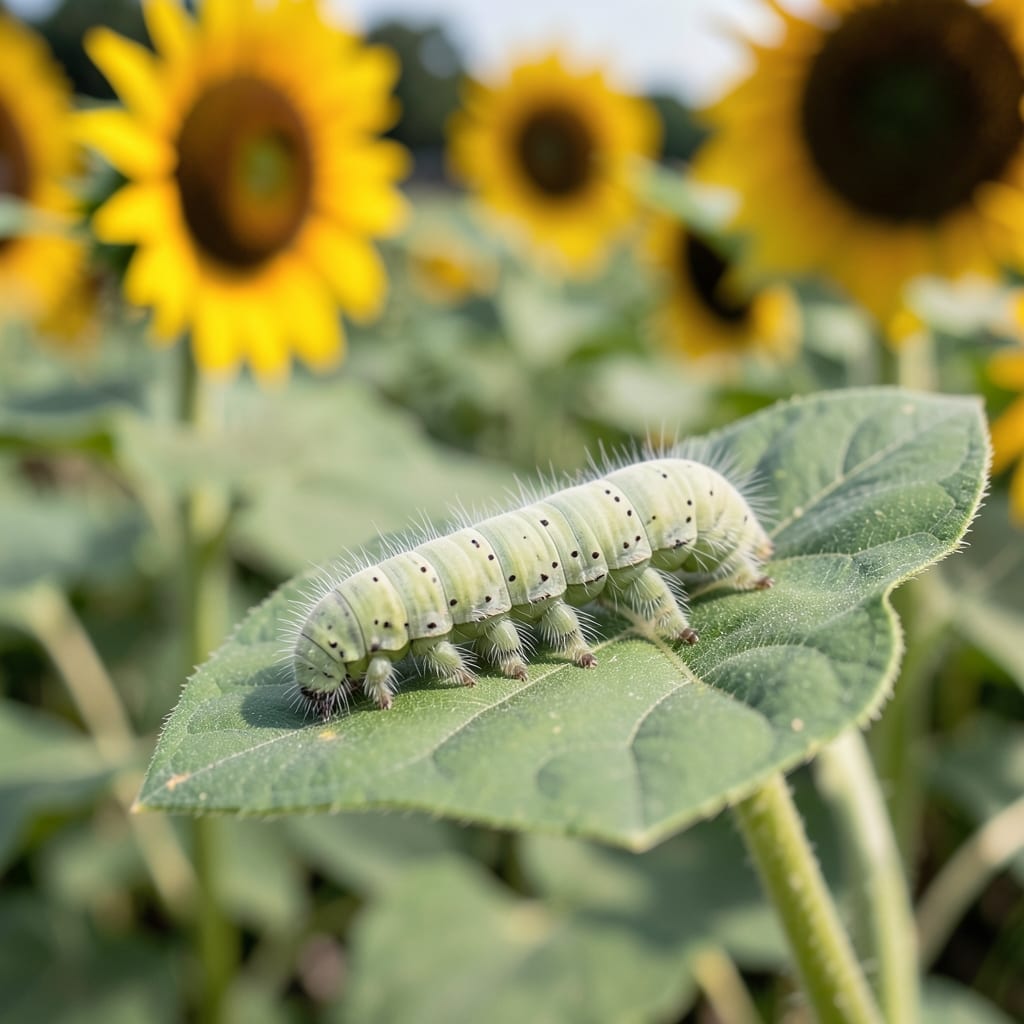
Sunflower moth caterpillars can turn a thriving garden into a battleground overnight. I’ve watched these pests strip entire sunflower heads bare in 48 hours, leaving nothing but hollow stems and frustration.
The key is catching them early—tiny holes in the back of sunflower heads are the first clue. Left unchecked, they’ll tunnel through petals and seeds, ruining what should be your garden’s brightest display.
With the right approach, you can stop them before they start. A mix of vigilance, organic sprays, and simple barriers keeps your sunflowers safe without harsh chemicals.
Works for all sunflower varieties, from towering giants to dwarf types. Here’s how to protect your plants.
Sunflower moth caterpillars thrive when conditions align with their biological needs. Understanding the root causes of infestations helps you disrupt their life cycle before damage escalates.
Sunflower moths (Homotrina flava) target sunflowers because the plants provide perfect food and shelter for their larvae. Female moths lay eggs on the back of sunflower heads, where emerging caterpillars burrow into the florets to feed on seeds and pith. Dense sunflower plantings or monocultures increase attraction, as moths can easily locate and infest multiple plants in close proximity.
Infestations spike during hot, arid summers, as these conditions accelerate moth reproduction. Temperatures between 75–90°F (24–32°C) and low humidity create an optimal environment for egg-laying and larval survival. Drought-stressed sunflowers are especially vulnerable, as their weakened defenses make them easier for caterpillars to penetrate.
Moths synchronize their life cycle with sunflower development. Eggs are typically laid when sunflowers reach the R3 (early bloom) to R5 (seed development) stages. If your sunflowers bloom late or early, they may escape peak moth activity—but mismatched planting times can also lead to overlapping generations, prolonging the threat.
Without parasitic wasps, birds, or ground beetles to keep populations in check, sunflower moth caterpillars multiply rapidly. Overuse of broad-spectrum pesticides can eliminate these beneficial predators, leaving your crop defenseless. Encouraging biodiversity in and around your garden helps restore this natural balance.
When sunflower moth caterpillars strike, swift action can save your crop. Here’s how to tackle each cause and reclaim your sunflowers.
If you spot caterpillars on leaves or flower heads, handpick them early in the morning or late evening when they’re most active. Drop them into a bucket of soapy water to ensure they don’t return. Wear gloves for comfort and check the undersides of leaves, where they often hide.
Introduce natural predators like ladybugs or parasitic wasps to your garden. These allies feed on caterpillar eggs and larvae, reducing populations without chemicals. Plant companion flowers like dill or yarrow to attract them. Pro tip: 💡 Avoid broad-spectrum pesticides that harm beneficial insects.
For severe infestations, use Bt (Bacillus thuringiensis), a natural bacteria that targets caterpillars without harming other insects or plants. Spray in the evening for best results, as Bt breaks down in sunlight. Reapply after rain. Neem oil can also deter moths from laying eggs—mix with water and a drop of soap, then spray on leaves weekly.
Pro tip: 🎯 Monitor your garden weekly for early signs of eggs or larvae—catching them early is half the battle!
Look for tiny holes in the back of sunflower heads or chewed petals. You may also spot small, greenish caterpillars or dark droppings near the damage.
Inspect plants every 2-3 days during peak moth season (summer months). Early morning or late evening is best, as caterpillars are most active then.
Yes! Try ‘Moulin Rouge’ or ‘ProCut’ sunflowers. These types are less attractive to moths and can reduce infestation risks.
Avoid broad-spectrum chemicals—they harm beneficial insects. Stick to organic options like Bt or neem oil for a safer approach.