
Beautiful Plants For Your Interior
Beautiful Plants For Your Interior
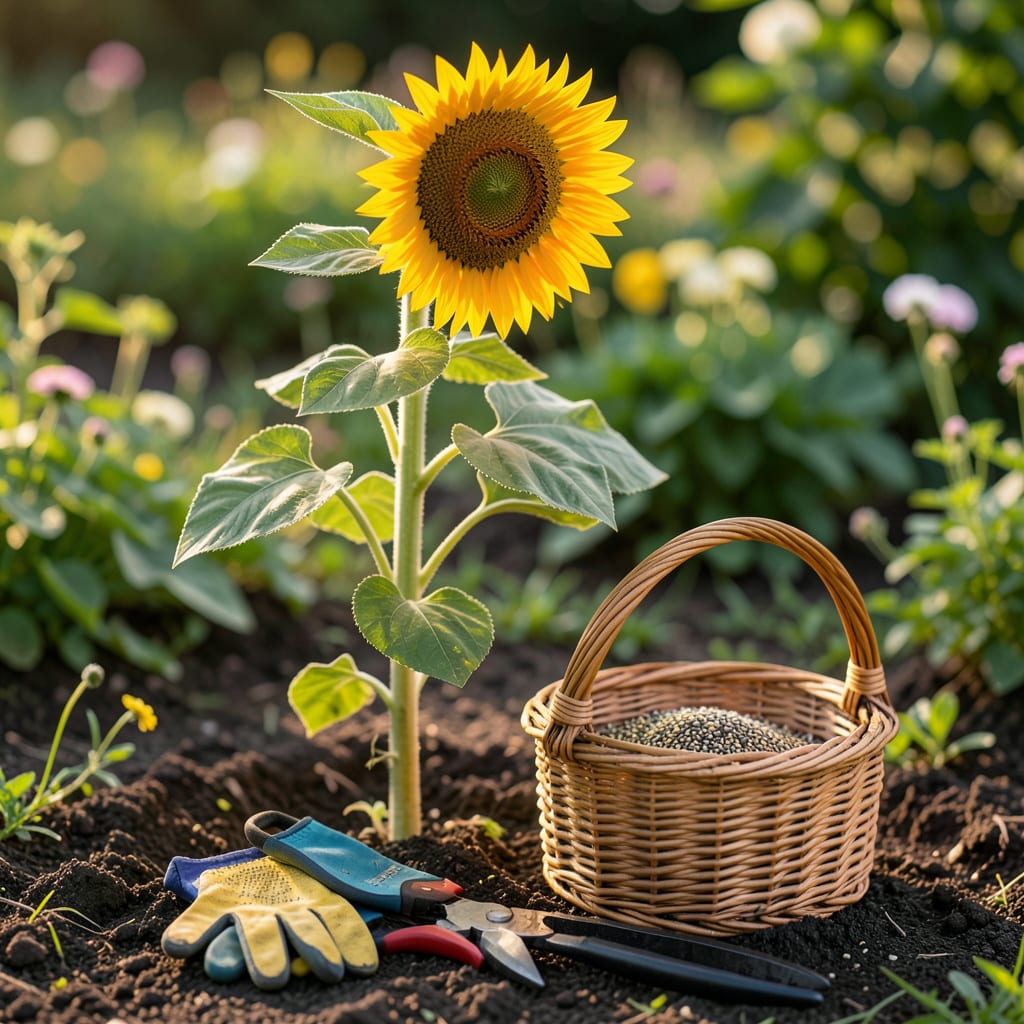
There’s a game-changer moment when your 🌻 Sunflower is ready to share its bounty. Missing this window could cost you a full season of seeds.
I’ll show you the most important signs to watch for, so you can harvest at peak perfection. Timing is everything for maximum yield.


I always watch for the back of the head turning yellow or brown as the first sign. This color change means the seeds are maturing inside, and it’s the most reliable visual cue for me.
The petals will start to wilt and fall off, which is nature’s way of telling you the flower has finished its blooming phase and is shifting to seed production.
| Sign | Description |
| Back of Head Color | Turns yellow or brown |
| Petal Condition | Wilting or fallen off |
| Seed Appearance | Plump and firm |
| Head Position | Drooping downward |
| Bird Activity | Increased interest from birds |
Another key indicator is the seeds themselves. When they look plump and fully developed, usually with a dark stripe, they’re ready. I gently press a few to ensure they’re firm, not soft or shriveled.
The head will feel heavy and often starts to droop downward. This is because the seeds are filling out and the weight becomes too much for the stem to hold upright.
I also notice more bird activity around my sunflowers when the seeds are ripening. Birds are excellent at detecting when seeds are ready, so their interest is a great confirmation.
If the head is still green or the seeds appear small and underdeveloped, it’s too early. Harvesting at this stage will result in poor-quality seeds that won’t store well or germinate.
Additionally, if the petals are bright and firm, the flower is still in its blooming phase. The ideal harvest window comes after the petals have dried and begun to fall off.
For the best results, I harvest in the early morning after the dew has dried. This timing helps prevent moisture from causing mold during the drying process.
Finally, I check the back of the head one more time to ensure it’s fully yellow or brown. This final check guarantees that the seeds inside are at their peak maturity.
With these signs, I’m confident my sunflower heads are ready for a bountiful harvest every time 🌻
I start by gathering my sharp pruners or garden shears for a clean cut. The best time to harvest is on a dry morning after the dew has evaporated, which prevents mold during drying.
I also bring a paper bag or mesh sack to cover the head immediately after cutting. This protects the seeds from hungry birds and wind while allowing airflow for drying.
Step-by-Step Harvesting Process:
When cutting, I leave a long stem attached to make hanging easier. I then remove any remaining petals to give birds one less hiding spot and to speed up the drying process.
For drying, I hang the heads upside down in my garage or shed. This position helps the seeds dry evenly and prevents moisture from collecting in the head.
I check the seeds after 1 week by pressing a few. If they’re hard and dry, they’re ready. If not, I give them a few more days.
Once fully dry, I rub two heads together or use a fork to loosen the seeds. Then I store them in an airtight container in a cool, dark place to maintain freshness 🌻
I’ve learned the hard way that harvesting too early is the most common mistake. Picking when the head is still green means the seeds inside won’t be fully developed, leading to poor germination and storage issues.
Another critical error is improper drying. If you leave the heads in a dump or humid environment, the seeds can develop mold, ruining your entire harvest. Always ensure a well-ventilated and dry space.
⚠️ Avoid These Harvesting Mistakes:
I also see gardeners make the mistake of storing seeds before they’re completely dry. Even slightly moist seeds can spoil quickly, so I always double-check for hardness and dryness before putting them away.
Ignoring bird activity can also cost you. If birds are flocking to your sunflowers, it’s a sign the seeds are ripe and ready. I’ve lost entire heads to birds by waiting just one day too long.
Finally, using the wrong tools can damage the heads and cause seed loss. I always use sharp pruners for a clean cut and handle the heads gently to keep all those precious seeds intact 🌻
Check that seeds are plump, firm and show dark stripes. Press a few—they should feel hard, not soft.
Seeds may fall out naturally or birds will eat them. Drooping heads and increased bird activity signal it’s time to act fast.
Avoid harvesting when wet. Moisture can cause mold during drying. Always pick on a dry morning after dew evaporates.
Hang heads upside down in a ventilated area for 1-2 weeks. Seeds are ready when completely hard and dry.
