
Beautiful Plants For Your Interior
Beautiful Plants For Your Interior
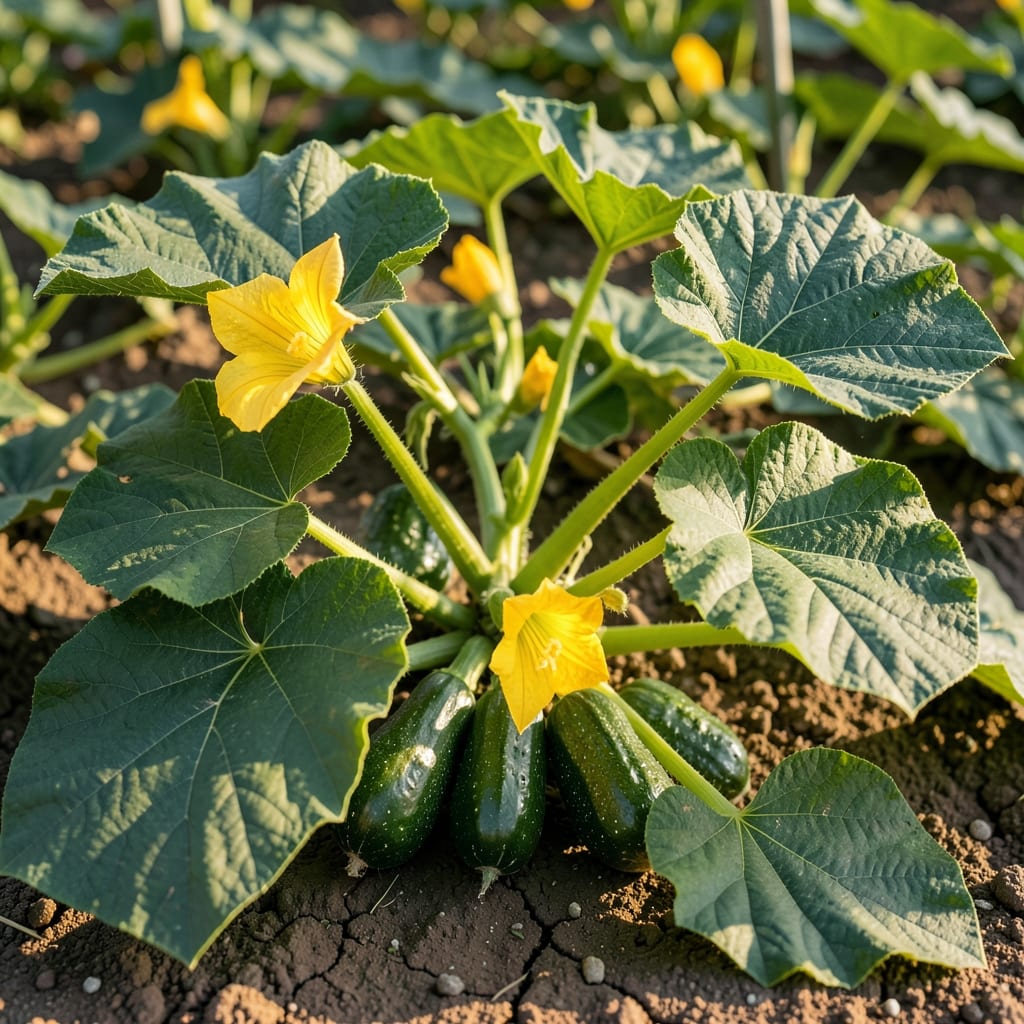
Bumpy summer squash ruined my first harvest. I learned the hard way that those rough patches aren’t just ugly—they’re your plants crying for help.
Usually it’s pests, disease, or inconsistent watering. The good news is you can fix most issues with simple adjustments to your routine.
I now check my plants daily for early signs, and my squash stays smooth all season. Prevention is easier than cure.
Let’s identify what’s causing your squash’s bumps and get your harvest back on track.
Bumpy summer squash can be frustrating, but understanding the root causes helps you prevent it. Here are the most common reasons your squash develops those unsightly bumps:
Fluctuations in soil moisture are a leading cause of bumpy squash. When plants experience drought followed by heavy watering, the fruit grows unevenly. The outer skin hardens during dry spells, then cracks or bulges when water suddenly becomes abundant. Solution: Maintain consistent moisture with drip irrigation or a soaker hose, watering deeply 1–2 times per week.
Squash bugs, cucumber beetles, and aphids feed on the plant’s sap, disrupting nutrient flow to the fruit. Their damage often leads to stunted or misshapen growth, including bumps. Solution: Inspect leaves for eggs or adults, and use neem oil or row covers early in the season.
Summer squash thrives in warm, stable conditions. Sudden heatwaves (above 90°F) or cold snaps (below 50°F) can stress the plant, causing irregular cell division in the fruit. Solution: Use shade cloth during heat spikes and protect young plants with cloches if nights are chilly.
A deficiency in boron or calcium often results in rough, bumpy texture. Boron supports cell wall development, while calcium prevents deformities. Solution: Test your soil and amend with compost or a balanced fertilizer rich in these micronutrients.
Poor pollination leads to incomplete fertilization of the fruit, causing lopsided or bumpy growth. Bees may avoid flowers if weather is too hot, humid, or rainy. Solution: Plant pollinator-friendly flowers nearby and hand-pollinate if bee activity is low.
Bumpy summer squash can be frustrating, but most issues are fixable with a few simple steps. Below are targeted solutions for the most common causes, along with prevention tips to keep your squash smooth and healthy all season long.
Inconsistent moisture leads to cracked or lumpy skin. Water deeply 1-2 times per week (about 1-2 inches total), keeping soil evenly moist—not soggy. Use a soaker hose or drip irrigation to avoid wetting leaves. Prevention tip: 💡 Mulch around plants to retain moisture and reduce evaporation.
Squash bugs or cucumber beetles cause bumps by feeding on fruits. Handpick pests in the morning or use neem oil (spray at dusk). For severe infestations, apply kaolin clay as a barrier. Prevention tip: ✨ Rotate crops yearly and remove plant debris to discourage overwintering pests.
Incomplete pollination results in misshapen squash. Use a small paintbrush to transfer pollen from male to female flowers (look for the tiny fruit at the base of female blooms). Do this in the early morning when flowers are open. Prevention tip: 🎯 Plant pollinator-friendly flowers nearby to attract bees.
Lack of calcium or boron can cause bumps. Work compost into soil before planting, and side-dress with a balanced organic fertilizer mid-season. For quick fixes, apply a calcium-rich foliar spray. Prevention tip: 🌡️ Test soil pH (aim for 6.0–6.8) and amend as needed.
With these fixes, your summer squash will be smooth, productive, and ready for the table in no time!
Yes, bumpy squash is perfectly safe to eat. The texture may be slightly different, but the flavor remains the same. Just wash it thoroughly before cooking.
Maintain consistent watering, use mulch, and monitor for pests. Ensure good pollination by attracting bees or hand-pollinating when needed.
Address the root cause immediately: adjust watering, treat pests, or improve pollination. Existing bumps won’t smooth out, but new growth will.
Yes, certain varieties like zucchini are more susceptible. Choose smooth-skinned types like yellow crookneck if bumps are a recurring issue.