
Beautiful Plants For Your Interior
Beautiful Plants For Your Interior
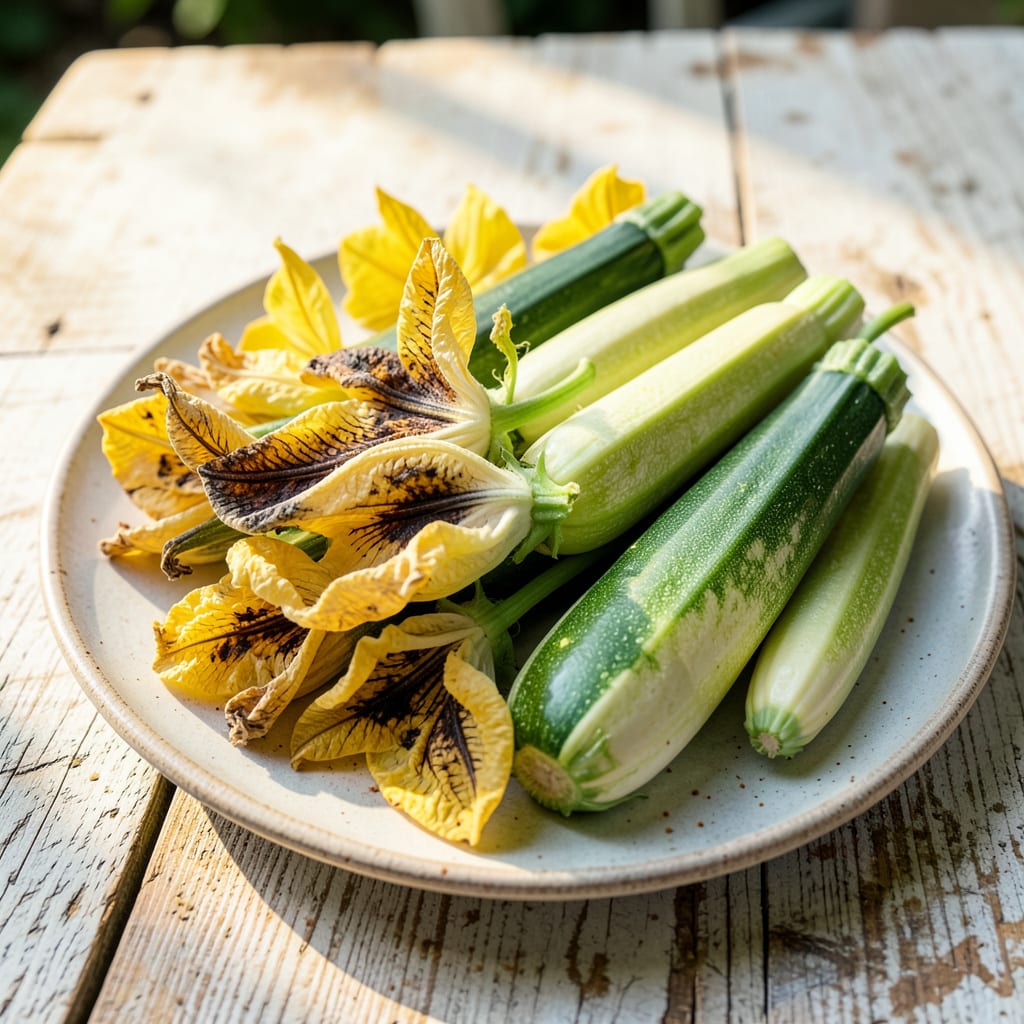
Nothing ruins summer squash season like watching perfect fruits develop dark, sunken ends. I lost an entire first crop to this before learning the root causes.
Blossom end rot hits when calcium can’t reach the developing fruit, often from uneven watering or poor soil. The fix isn’t complicated—just consistent moisture and the right amendments.
You’ll spot it early: small brown spots on the blossom end that spread and darken. Catching it fast means saving 80% of your crop with simple adjustments.
Works for zucchini, yellow squash, and all summer varieties. Here’s how to stop it before it starts.
Blossom end rot in summer squash is a frustrating issue, but understanding its root causes helps you tackle it effectively. Here are the primary reasons this condition develops:
The most common cause is a lack of calcium in the developing fruit. Calcium is essential for cell wall strength, and when supplies are insufficient, the tissue at the blossom end breaks down. This often happens when soil calcium is low or when uneven watering disrupts calcium uptake, even if the soil contains enough of the nutrient.
Fluctuations in soil moisture—such as drought followed by heavy watering—stress the plant and impair its ability to transport calcium to the fruit. Summer squash needs steady, even moisture (about 1–1.5 inches per week) to maintain proper nutrient flow. Mulching can help stabilize soil moisture and reduce this risk.
Hot, dry spells or sudden temperature drops can slow calcium absorption through the roots. High temperatures increase transpiration, which can pull calcium away from the fruit and toward the leaves. Shade cloth or row covers during heatwaves can mitigate this effect.
When summer squash plants grow too quickly—often due to excess nitrogen fertilization—the demand for calcium outpaces the supply. This leads to weak cell structure at the blossom end. Balancing soil fertility with a calcium-rich amendment (like gypsum or crushed eggshells) before planting helps prevent this imbalance.
Blossom end rot in summer squash is fixable with targeted adjustments. Below are the most common causes and their practical solutions, paired with prevention tips to keep your harvest healthy.
Fix: Maintain consistent soil moisture by watering deeply once or twice a week (adjust for rainfall). Use drip irrigation or soaker hoses to deliver water directly to the roots, avoiding wetting the foliage. Mulch around plants with straw or shredded leaves to retain moisture and reduce evaporation.
Prevention: 💡 Check soil moisture 2 inches down—if it’s dry, it’s time to water. Avoid letting the soil swing between soggy and bone-dry.
Fix: Add calcium to the soil immediately. Work in crushed eggshells (rinsed and dried) or gypsum around the base of plants. For a quick boost, use a calcium-rich foliar spray (like diluted calcium chloride) and apply it to leaves in the early morning or late evening.
Prevention: ✨ Before planting, amend soil with compost or aged manure to improve calcium availability. Test your soil’s pH—summer squash thrives in a 6.0–6.8 range; adjust with lime if too acidic.
Fix: Shield plants from extreme heat with shade cloth (30–50%) during peak afternoon hours. If cold snaps are the issue, use row covers to retain warmth. Ensure plants are spaced properly for airflow to prevent heat buildup.
Prevention: 🎯 Plant squash in a location with full sun but some afternoon shade in very hot climates. Start seeds or transplants after the last frost when soil temps are consistently above 60°F.
Fix: Stop using high-nitrogen fertilizers, which can cause lush foliage at the expense of fruit health. Switch to a balanced, low-nitrogen organic fertilizer (e.g., 5-5-5) and follow package instructions carefully.
Prevention: 🌿 Feed plants with compost tea or fish emulsion every 3–4 weeks instead of synthetic fertilizers. Prune excess vines to direct energy toward fruit development.
No, affected fruits won’t recover, but you can prevent new ones from developing it. Remove damaged squash immediately to redirect the plant’s energy. Focus on correcting watering and calcium levels for future growth.
Crushed eggshells take 2-4 weeks to break down and release calcium. For faster results, use gypsum or a foliar spray. Always crush shells finely for quicker absorption by roots.
No, it’s not a disease or fungus—it’s purely environmental. However, inconsistent watering or poor soil affects all nearby squash. Fix the conditions, and the entire patch will improve.
Excess calcium rarely damages plants, but it can cause imbalances with other nutrients like magnesium. Stick to recommended amounts: 1 tablespoon gypsum per plant or 1 pound eggshells per 10 sq ft.
