
Beautiful Plants For Your Interior
Beautiful Plants For Your Interior
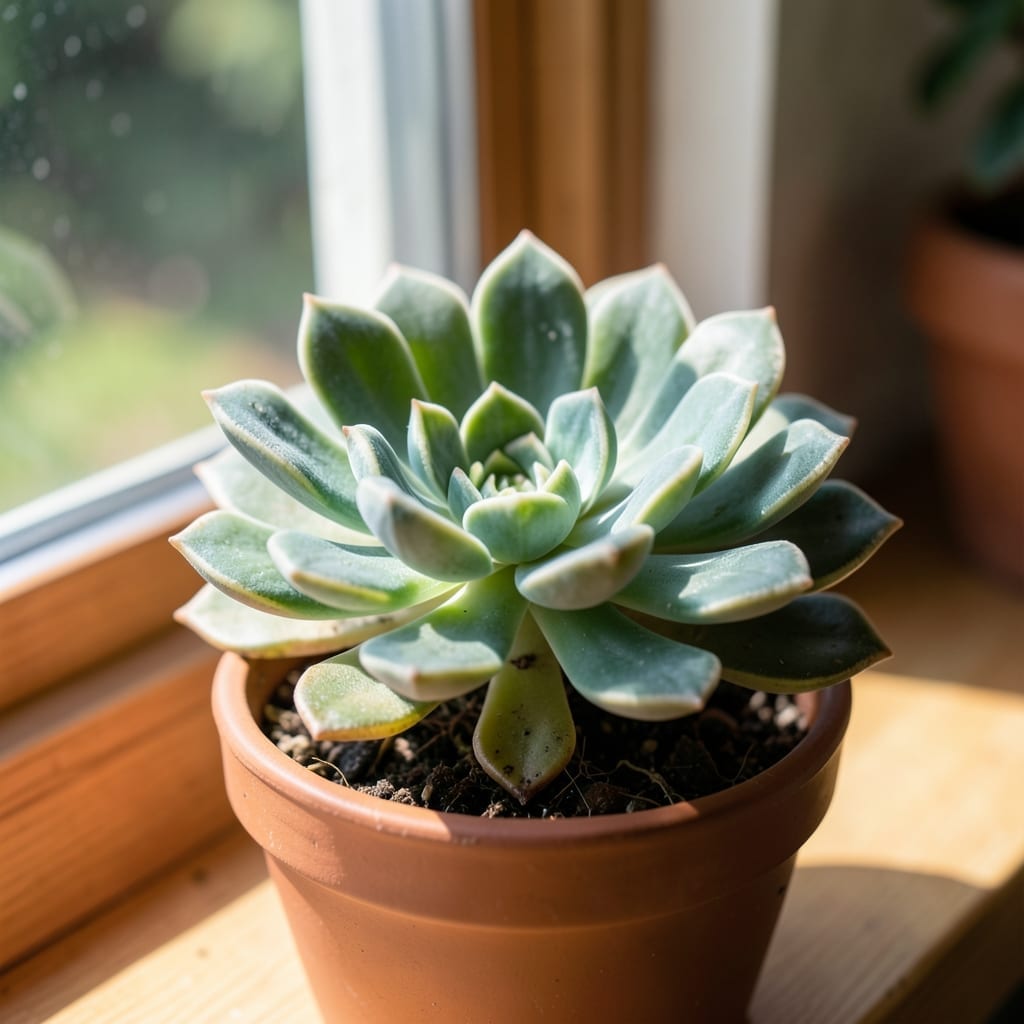
White patches on succulents always mean trouble. I’ve seen this happen too many times—first a pale spot, then a spreading bleach effect that ruins the plant’s color and health.
The usual culprits are too much sun without acclimation, or a fungal issue creeping in from overwatering. Either way, catching it early makes all the difference. I learned this the hard way with my first echeveria collection.
You can reverse the damage by adjusting light exposure gradually or treating with a copper fungicide. The key is acting before the white spreads to the entire plant.
Prevention is simpler than cure: monitor light levels and water only when soil is completely dry. This keeps your succulents looking vibrant and healthy.
Succulents turning white often signals an underlying issue that can usually be traced to a few common culprits. Here’s why it happens and what’s going on beneath the surface:
Too much direct sunlight, especially intense midday rays, can bleach the pigments in succulent leaves. This is a defense mechanism called photoinhibition, where the plant’s chlorophyll breaks down to protect its cells. The result? Pale, white, or yellow patches on the most exposed areas. Common in species like Echeveria or Sedum when transitioned too quickly to full sun.
High temperatures (above 90°F/32°C) can trigger a similar response. Heat stress disrupts the plant’s ability to produce chlorophyll, leading to a faded, washed-out appearance. Unlike sunburn, this affects the entire plant uniformly. Check if your succulent sits near heat sources or in a greenhouse with poor ventilation.
White, powdery, or moldy coatings often indicate powdery mildew or botrytis. These fungi thrive in humid, poorly ventilated environments. Overwatering or wet foliage (e.g., from overhead watering) creates ideal conditions. Unlike sun stress, fungal issues may spread rapidly and cause additional symptoms like soft, mushy leaves.
Sudden temperature drops or frost can damage cell structures, leading to white or translucent patches. Succulents like Aloe or Agave are particularly sensitive. This often appears as “frost burn” on the outermost leaves first.
While less common, chronic overwatering can cause edema—a condition where cells burst due to excessive water uptake. The resulting scars may appear as white or tan spots. This is often accompanied by swollen, mushy leaves. Always ensure your pot has drainage holes!
If your succulents are turning white, don’t panic—there are clear fixes for each cause. Below are targeted solutions, plus prevention tips to keep your plants thriving.
Move your succulent to a spot with bright but indirect light. East-facing windowsills are ideal. If outdoors, use a shade cloth (30-50% coverage) during peak sun hours (10 AM–4 PM). Gradually reintroduce sunlight over 1–2 weeks to avoid shock.
Prevention: Acclimate new plants slowly to direct sun, increasing exposure by 1–2 hours daily.
For sunburned leaves, prune the white, crispy areas with clean scissors to encourage new growth. If frostbitten, wait until the plant thaws, then remove damaged foliage. Relocate to a warmer area (above 40°F/4°C).
Prevention: Bring potted succulents indoors or under cover when temperatures drop below 50°F (10°C).
If the white discoloration is fuzzy or powdery (like mildew), spray with a fungicide (neem oil or copper-based). For pests (mealybugs, spider mites), wipe leaves with 70% isopropyl alcohol and follow up with insecticidal soap. Isolate the plant to prevent spreading.
Prevention: Improve airflow, avoid overhead watering, and inspect plants weekly for early signs.
Stop watering immediately and check the roots for rot (mushy, black roots = trim them). Repot in well-draining soil (cactus mix + perlite) and a pot with drainage holes. Resume watering only when the soil is bone-dry.
Prevention: Water only when the top 1–2 inches of soil are dry, and use the “soak and dry” method.
Use a balanced, diluted succulent fertilizer (half-strength) during the growing season (spring/summer). Avoid fertilizing in winter when plants are dormant.
Prevention: Feed every 4–6 weeks in active growth phases, and refresh soil every 2–3 years.
With these fixes, your succulents should regain their vibrant color in 2–4 weeks. Consistency in care is key!
Yes, overwatering can lead to edema, causing white or tan scars. It may also create conditions for fungal growth, which appears as powdery white spots. Always let soil dry completely between waterings.
Sunburn appears as dry, crispy white patches on sun-exposed areas. Fungal issues look powdery or fuzzy and may spread quickly. Check for soft, mushy leaves as another sign of fungal problems.
Damaged white leaves won’t regain color, but new growth will be healthy if you fix the underlying issue. Prune affected leaves to encourage fresh, green growth.
If outdoor conditions are causing stress (extreme heat, frost, or too much direct sun), moving it indoors to a bright, indirect light location can help. Acclimate gradually to prevent further shock.