
Beautiful Plants For Your Interior
Beautiful Plants For Your Interior
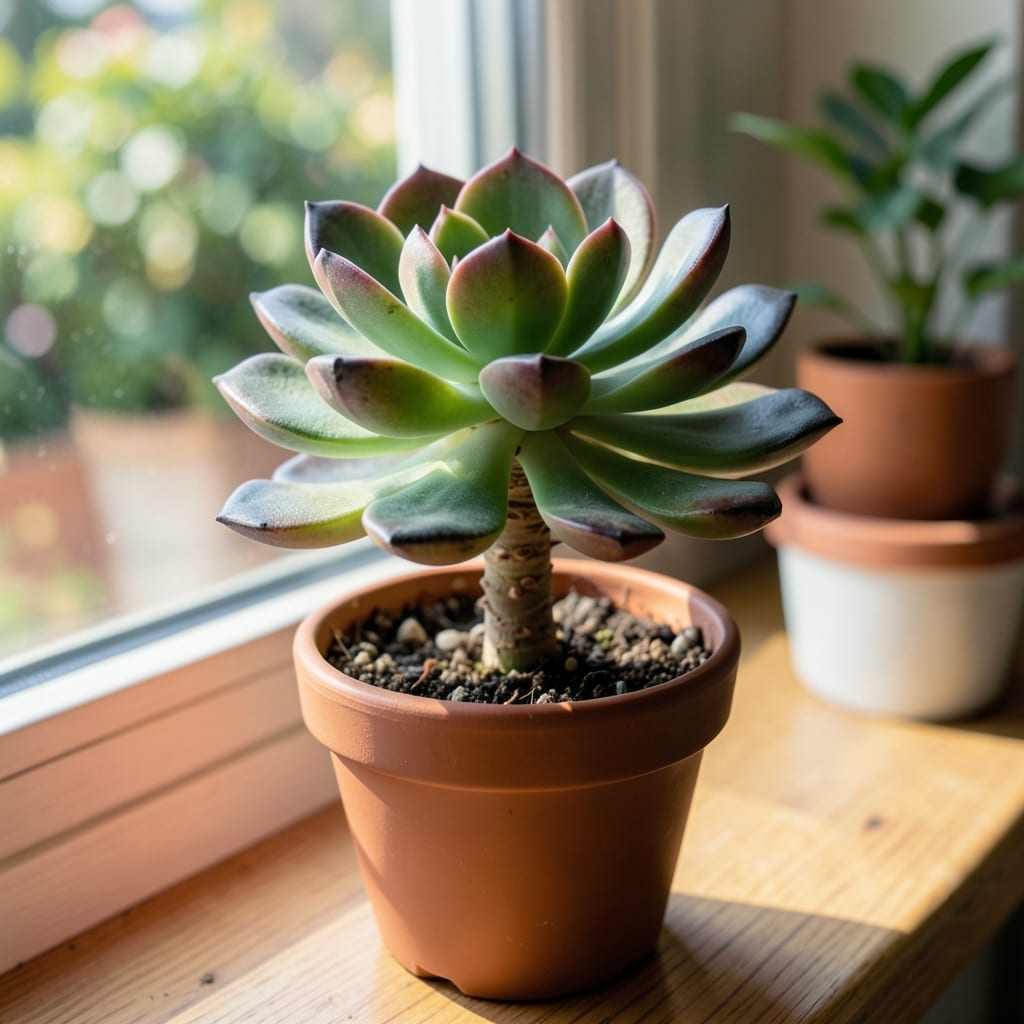
Black spots on your succulents aren’t a death sentence. I’ve saved dozens from the brink with one simple rule: stop watering immediately and check the roots.
Most blackening comes from overwatering or rot, not pests or disease. The fix starts with pulling the plant, trimming mushy roots, and letting it dry out completely for 3-5 days.
You’ll know it’s working when new growth appears at the base. The black parts won’t regrow, but the healthy tissue will spread if you’ve caught it early enough.
Works for all succulent types, from echeveria to jade plants. Here’s the step-by-step rescue plan.
Succulents turning black is often a distress signal, and understanding the root causes is key to saving your plant. Here are the most common reasons, broken down scientifically:
Excess moisture is the #1 culprit. Succulents store water in their thick leaves, so overwatering leads to edema (cell rupture) and fungal/bacterial root rot. Soggy soil restricts oxygen, causing roots to die and turn black. This decay spreads upward, blackening stems and leaves as tissues collapse from Pythium or Phytophthora infections.
Both frost and scorching heat can trigger blackening. Below 32°F (0°C), cell walls freeze and burst, creating dark, mushy patches. Conversely, temps above 90°F (32°C) with direct sun cause sunscald—where chlorophyll breaks down, leaving black or brown necrotic (dead) tissue.
Pathogens like Botrytis cinerea (gray mold) or Erwinia bacteria thrive in damp, poorly ventilated conditions. They enter through wounds or weak spots, producing dark lesions. Black spots often appear water-soaked at first, later drying into crispy patches as the infection spreads.
Over-fertilization (especially with high-nitrogen formulas) or hard water (excess salts/minerals) can cause salt burn. Accumulated salts draw water out of roots via osmosis, leading to dehydration and blackened, shriveled leaves at the base. Tap water with high chlorine or fluoride levels may also trigger tip burn.
When your succulents start turning black, quick action can save them. Below are targeted fixes for the most common causes, paired with prevention tips to keep your plants thriving.
Fix: Stop watering immediately and check the roots. If they’re mushy or black, trim the affected areas with clean scissors. Repot the plant in fresh, well-draining soil and a pot with drainage holes. Wait at least a week before watering again.
Prevention: Water only when the soil is completely dry. Use a moisture meter or stick your finger 1-2 inches into the soil to check. 💡 Always empty the saucer after watering to avoid soggy roots.
Fix: Move the plant to a warmer spot (above 50°F/10°C). If the blackened parts are dry and crispy, they won’t recover—gently prune them to encourage new growth. Avoid fertilizing until the plant shows signs of recovery.
Prevention: Bring outdoor succulents inside during cold snaps or use frost cloths. For indoor plants, keep them away from drafty windows or AC vents. ✨ Hardier varieties like Sempervivum or Sedum tolerate cooler temps better.
Fix: Isolate the affected plant to prevent spreading. Remove blackened, soft, or oozing leaves with sterilized tools. Treat with a copper-based fungicide or a diluted hydrogen peroxide solution (1 tsp per cup of water) sprayed on the soil and leaves.
Prevention: Improve air circulation around plants and avoid overhead watering. 🌡️ Ensure pots aren’t crowded—space allows for better airflow.
Fix: Move the plant to a spot with bright, indirect light. If the blackening is limited to the top leaves, it’s likely sunburn. Trim the damaged leaves—they won’t heal. Gradually reintroduce sunlight over 1-2 weeks to acclimate the plant.
Prevention: Start with 2-3 hours of morning sun and increase slowly. Use sheer curtains or shade cloths for intense midday light. 🎯 Echeverias and Haworthias are especially prone to burning.
No, blackened tissue is dead and won’t regrow. Focus on saving healthy parts by removing damaged areas with clean tools.
Wait 7-10 days before watering again. This gives roots time to heal and prevents further rot in fresh soil.
This usually signals overwatering or poor drainage. Check the roots for mushiness and repot if needed.
No, but sudden exposure can cause sunburn. Acclimate plants gradually to prevent blackening from intense light.